Tag: Induction Cooking

  • Stovetop Kettles vs. Electric Kettles: Which Fits Your Morning Routine Better?

    Stovetop Kettles vs. Electric Kettles: Which Fits Your Morning Routine Better?

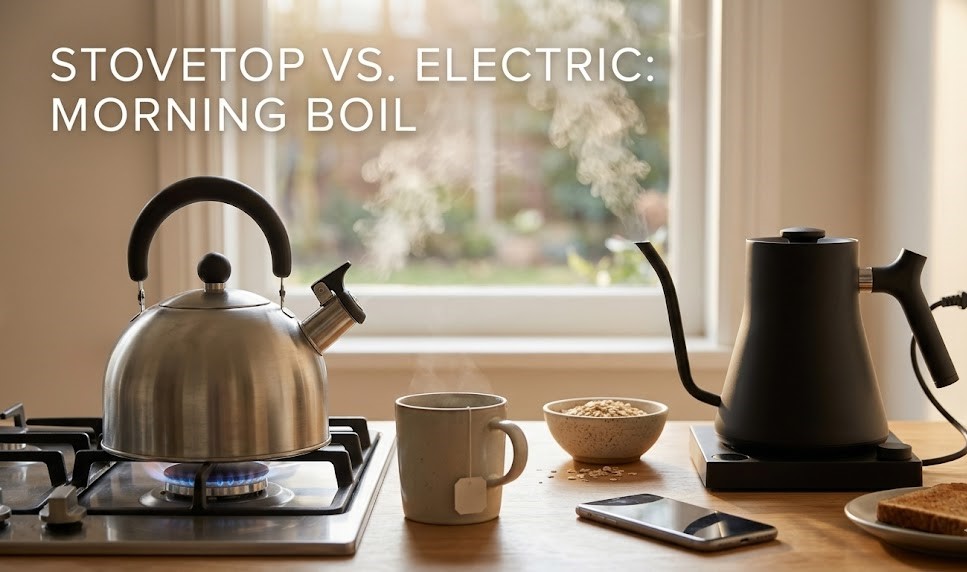
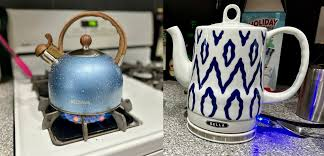
    There is something almost ceremonial about making your morning cup of tea or coffee. For some, the sound of bubbling water in a stovetop Kettle is a call to slow down and embrace ritual. For others, the swift click of an electric kettle defines efficiency and modern life.

    With Induction cooking transforming modern kitchens and stainless steel models gaining renewed relevance, the choice between stovetop and electric is no longer just about boiling water. It is about lifestyle, aesthetics, and how you want to start your day. Here is a breakdown of the pros and cons of each to help you decide.
    Speed & Energy Efficiency

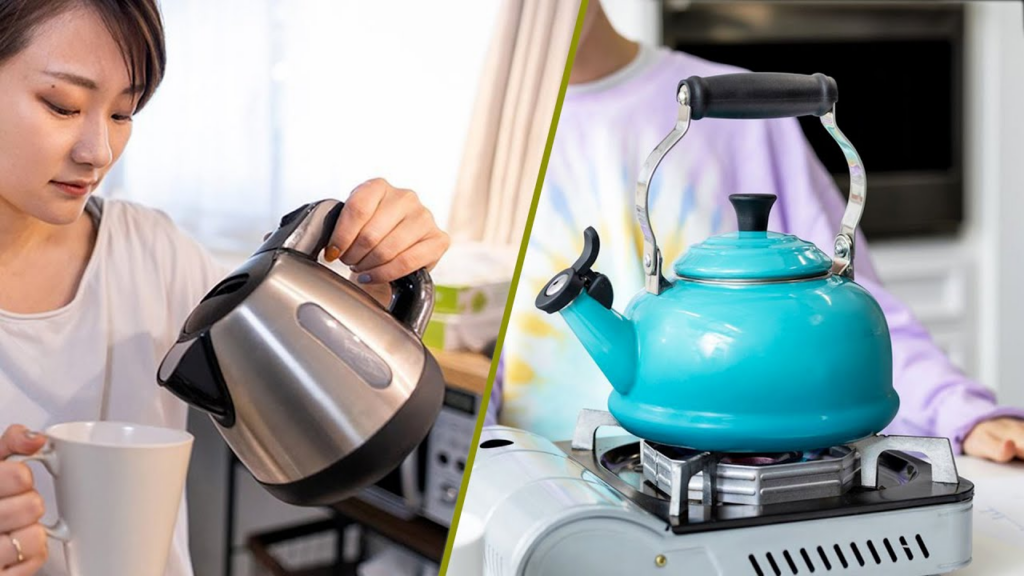
    If your mornings are a race against the clock, speed is likely your top priority. Here is how the different kettles stack up when boiling one liter of water:

    • Electric Kettles (~2–3 minutes): These win for sheer efficiency. They heat water directly through a concealed plate or metal coil, minimizing energy loss.
    • Induction Hob Kettles (~3–4 minutes): By delivering magnetic energy directly into a compatible stainless steel kettle, induction hobs rival the pace of electric models.
    • Traditional Stovetop Kettles (~5–7 minutes): Boiling on a gas stove is the slowest method, as much of the heat escapes around the sides of the kettle.

    Safety & Smart Features

    • Electric: Engineered with safety at their core. Auto shut-off, boil-dry protection, and precise temperature settings are standard. Premium models even connect to apps for remote control, giving busy multitaskers peace of mind.
    • Stovetop: Relies on simpler cues, like the piercing, traditional whistle. While it requires more active attention to prevent boiling dry, pairing a stovetop kettle with an induction hob adds a layer of safety, as the hob automatically switches off when the cookware is removed.

    Material & Durability

    When it comes to material purity and longevity, Stainless steel is the gold standard for both types of kettles.

    • Stovetop Durability: A heavy-duty stovetop kettle can last decades with minimal maintenance, often becoming a family heirloom. They are also available in premium materials like copper (for exceptional conductivity) and colorful enamel.
    • Electric Construction: Electric kettles often combine stainless steel with heat-resistant plastics or glass. While sleek, these electronic components and mixed materials can wear out faster over time, especially in hard-water regions.

    Brewing Precision vs. Ritual

    • Electric (Precision & Control): For tea connoisseurs and pour-over coffee enthusiasts, precision is everything. Variable temperature controls let you set exact degrees (e.g., 80°C for delicate green teas or 96°C for bold pour-overs). Many also feature gooseneck spouts for slow, steady, barista-level pouring.
    • Stovetop (Ritual & Experience): Stovetop kettles invite you to engage all your senses. They do not give you a digital readout, but the gradual heating, the sound of the whistle, and the feel of a perfectly balanced pour can elevate a simple brew into a soulful, meditative act.
    The Final Verdict

    So, which kettle should you choose? It ultimately depends on the kind of mornings you wish to create:

    • Choose an electric kettle if speed, efficiency, and safety matter most.
    • Choose a stovetop kettle if you prefer unmatched durability, tradition, and a sense of sensory ritual.
    • Choose an induction hob kettle if you want the classic charm of a stovetop with the energy efficiency of modern technology.
  • Best Pans for an Induction Cooktop

    Best Pans for an Induction Cooktop

    Induction cooktops have transformed home cooking with their precise temperature control and exceptional energy efficiency, earning a top spot among professional chefs and dedicated home cooks alike.

    However, to get the absolute best performance and results from your investment, you must choose the right cookware. At All-Clad, our premium cookware collections feature high-quality materials and expert craftsmanship that deliver exceptional cooking performance. Most of our collections are completely compatible with induction cooktops, thanks to their magnetic stainless steel bases, offering you even more versatility in your kitchen.

    Why You Need Specific Cookware for Induction Cooktops

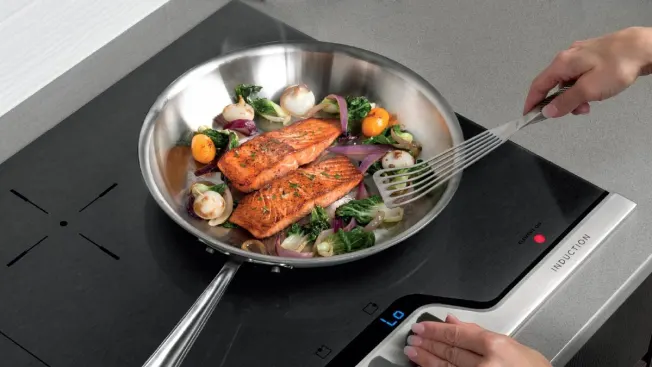
    Induction cooktops rely on direct contact between a pan’s magnetic base and the induction stove to generate heat. Unlike traditional gas or electric ranges that transfer heat via a flame or hot coil, induction cooking heats the pan directly using an electromagnetic field. This offers incredibly rapid heating while keeping your actual kitchen much cooler.

    Because of this unique technology, your pans must have a magnetic bottom to function with the stovetop. Aluminum, copper, or glass pans without magnetic layers will simply not work on an induction stove.

    What to Look for in the Best Induction Pans

    When selecting the best cookware for your induction range, keep these key factors in mind:

    • Magnet Compatibility: A simple test is to place a refrigerator magnet at the bottom of your pots or pans. If it sticks firmly, the cookware is induction-compatible! If the magnet slides off, the pan will not work.
    • Flat, Sturdy Bases: A perfectly flat base ensures maximum contact with the glass induction stove surface for even heat distribution.
    • Quality Materials: Multi-layer stainless steel and aluminum cores, like in All-Clad’s bonded collections, provide rapid, even heating without frustrating hot spots.
    • Oven-Safe Versatility: Many high-quality pans transition seamlessly from your induction cooktop straight into your oven for finishing dishes.

    Recommended All-Clad Products for Induction Cooking

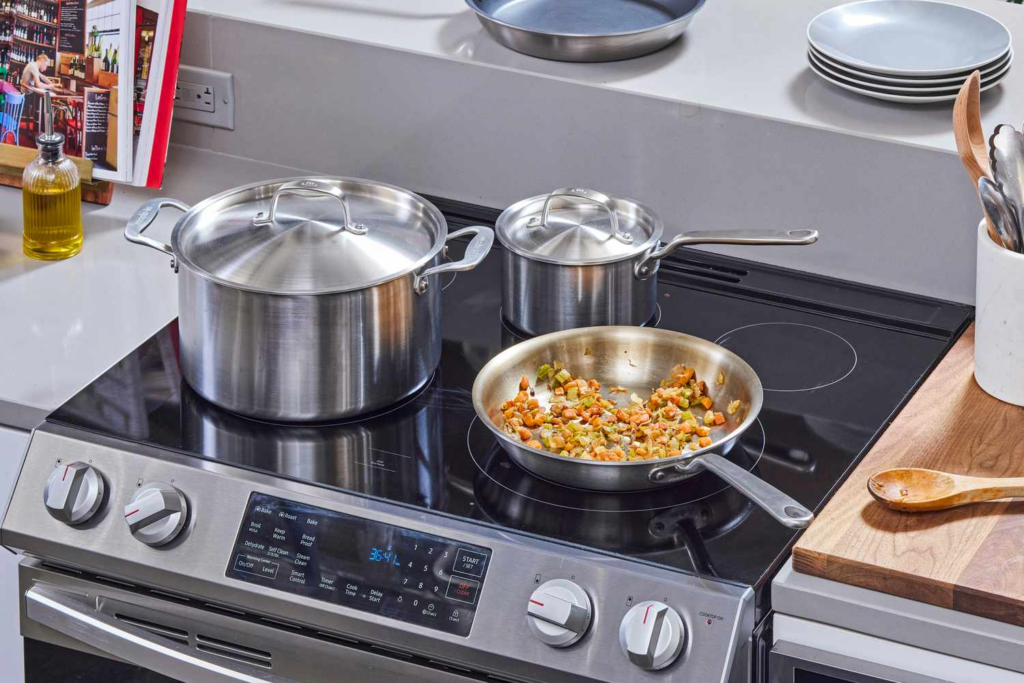
    All-Clad offers several collections engineered to deliver precise results on induction cooktops, thanks to their bonded construction with a magnetic stainless exterior:

    Stainless Steel Collections:

    • D3® Stainless Steel & D3® Everyday
    • D5® Stainless (Brushed & Polished)
    • G5® Graphite Core
    • Copper Core®

    Nonstick & Hybrid Collections:

    • HA1® Expert & NS Pro® (Note: Square shapes in these lines do not have a Stainless Steel Base and are not induction compatible).
    • D3® Pro Nonstick, D5® Pro Nonstick, and Copper Core® Pro Nonstick.

    Tips for Using Stainless Steel on an Induction Cooktop

    Using stainless steel on an induction surface offers superior searing, browning, and deglazing. All-Clad’s stainless steel cookware features bonded layers that combine the rapid heat conductivity of aluminum or copper with the incredible durability of a magnetic exterior.

    Here are a few tips for cooking on induction:

    1. Preheat gradually: Because induction heats so quickly, preheat your pan slowly on a medium setting rather than blasting it on high.
    2. Use oil: Use your desired amount of cooking oil to enhance searing and prevent sticking.
    3. Avoid thermal shock: Avoid sudden temperature changes (like running a hot pan under cold water) to protect your pans from warping and to keep your induction cooktop surface safe.
    4. Keep it clean: Always ensure your pans have a perfectly clean, dry bottom to maintain good magnetic contact and avoid scratching the glass stove.

    Frequently Asked Questions

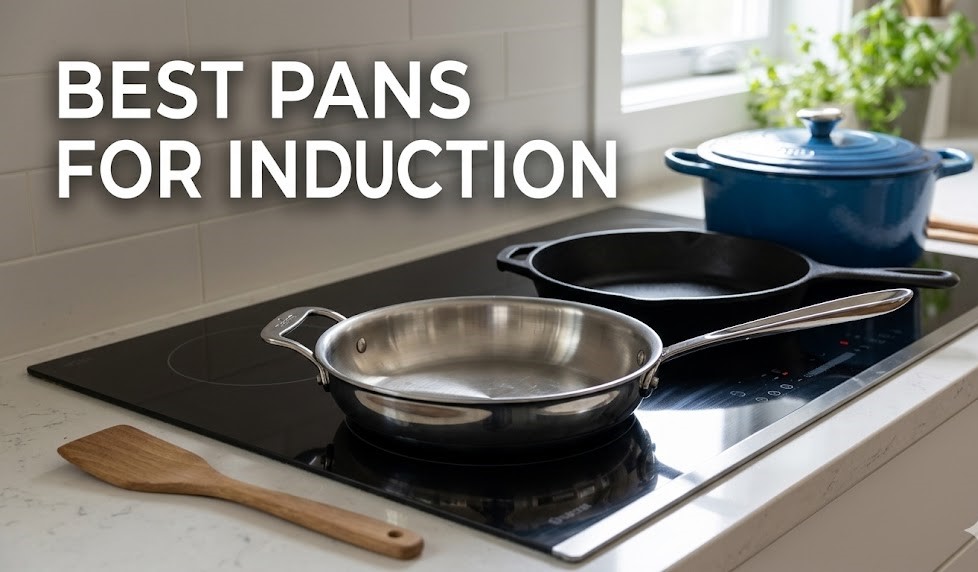
    What pans work with induction cooktops? Only pans with a magnetic base work. Suitable pans include those made with cast iron, enameled cast iron, and magnetic-grade stainless steel.

    Can you use stainless steel pans on an induction cooktop? Yes, stainless steel pans can be used flawlessly on an induction cooktop as long as they have a magnetic base.

    How can you tell if a pan is suitable for induction cooktops? You can easily check by placing a magnet on the bottom of your pan. If the magnet sticks securely, your pan is compatible. Additionally, most modern cookware will feature an “induction compatible” symbol on the bottom of the pan or note it clearly in the product description.