Tag: ProCook

  • Stand Mixer vs. Hand Mixer: Which Should You Choose?

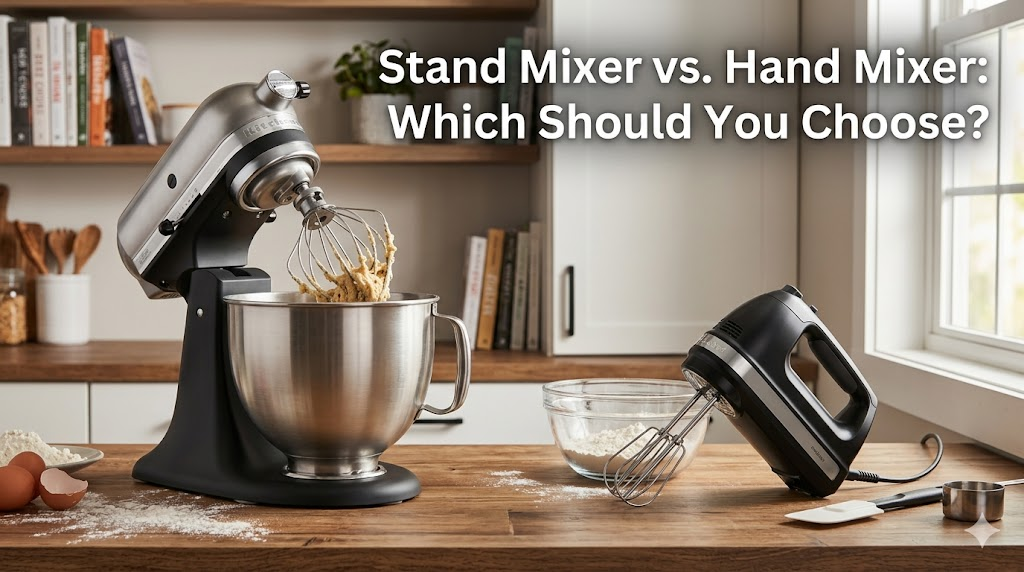
    Stand Mixer vs. Hand Mixer: Which Should You Choose?

    Whether you are a keen amateur chef preparing a three-course feast or an occasional baker whipping up a quick batch of cupcakes, a good mixer is an essential piece of equipment for your kitchen toolkit.

    Both appliances will make light work of mixing dough, whipping cream, and whisking up fluffy meringues, but figuring out whether you need a heavy-duty stand mixer, a compact hand mixer, or both can be confusing.

    Here is our practical guide to the differences, pros, cons, and costs to help you choose the best food mixer for your unique cooking style.
    What is the Core Difference?

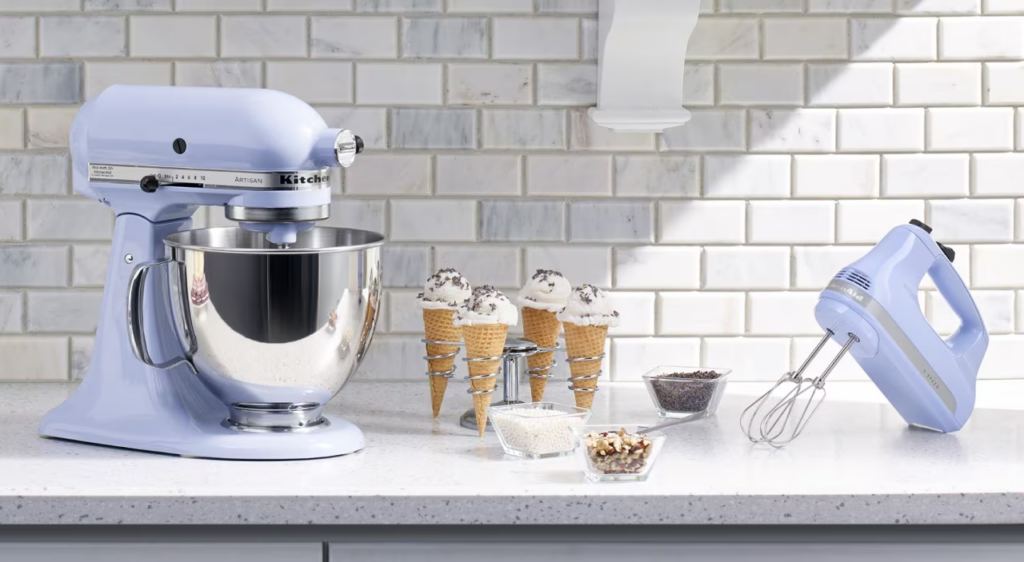
    • The Hand Mixer: As the name implies, this is a handheld electric mixer that you hold directly over a bowl. They are highly portable, easy to use, and perfect for quickly tackling everyday tasks.
    • The Stand Mixer: A heavy-duty electric mixer attached to a fixed stand that sits permanently on your worktop. They come with dedicated mixing bowls and various attachments, operating completely hands-free.

    Why Should I Choose a Stand Mixer?

    Stand mixers are the heavyweights of the kitchen. They are robust, powerful, and ideal for tackling large batches of ingredients and stiffer mixtures like bread dough.

    “For stand mixers, weight and sturdiness are key,” explains Steven Carter-Bailey, food expert at ProCook. “Whilst a heavier appliance may seem less appealing, the weight helps it stay stable during operation.”

    Stand mixers usually feature powerful motors (aim for at least 600W) and up to 10 speed settings. They also boast large capacities, typically ranging from 4 to 6.9 litres. Because they hold the bowl firmly in place and run on their own, they take the physical strain out of mixing and allow you to multitask. Furthermore, brands like KitchenAid offer power hubs that transform the mixer into a multi-use appliance capable of grinding meat, making pasta, or churning ice cream.

    Stand Mixer Pros & Cons

    Pros:

    • Solid, stable, and incredibly robust.
    • Powerful motors capable of kneading heavy dough.
    • Hands-free operation allows for kitchen multitasking.
    • Vast array of attachments for broad food prep tasks.
    • Beautiful, iconic designs that act as a kitchen statement piece.

    Cons:

    • Very heavy and difficult to move or store.
    • Significant financial investment (ranging from £75 up to £1,000).
    • Can be fiddly to clean, and not all parts are dishwasher safe.
    • Overkill for very quick, small mixing tasks.

    Why Should I Choose a Hand Mixer?

    Hand mixers are the ultimate champions of quick, convenient cooking. They usually feature five to nine speeds, giving you plenty of power to whip up batters or stiff peaks without the setup time of a stand mixer.

    One of the biggest advantages is their size. Hand mixers take up virtually no space and can easily be tucked away in a drawer, making them ideal for compact kitchens. Furthermore, they allow you to mix directly inside any container—be it a saucepan on the stove or a standard mixing bowl—which cuts down significantly on washing up.

    “Because these appliances are smaller, they require more attention as they can sometimes vibrate or move around on the counter,” notes Isabella Forgione, small appliances expert at AO.com. Because you have to hold them, they can tire out your arms during prolonged use, making them less suitable for dense bread doughs.

    Hand Mixer Pros & Cons

    Pros:

    • Lightweight, highly portable, and compact to store.
    • Perfect for mixing small batches and quick tasks.
    • Highly affordable (ranging from £10 to £180).
    • Very easy to clean with dishwasher-safe beaters.
    • Cordless models are available for ultimate kitchen flexibility.

    Cons:

    • Significantly less powerful than stand mixers.
    • Tiring to hold for long periods of time.
    • Fewer attachments and speed settings.
    • Only suitable for smaller, lighter batches.

    Head-to-Head Comparison

    FeatureStand MixerHand Mixer
    Best ForLarge batches, bread dough, hands-free baking.Small batches, whipped cream, quick batters.
    PowerHigh (Often 600W+)Moderate
    Storage SpaceHigh (Requires dedicated counter space)Low (Fits in a drawer)
    Price Range£75 – £1,000+£10 – £180
    OperationHands-freeManual holding required

    The Final Verdict: Which Should You Buy?

    Choose a Hand Mixer if: You bake small batches, have limited kitchen space, are on a tighter budget, and do not plan on regularly kneading heavy bread dough. It is perfect for the occasional baker who wants a quick, easy cleanup.

    Choose a Stand Mixer if: You regularly cook for a larger crowd, bake frequently, or love making homemade bread. The hands-free power and vast versatility make it a true kitchen workhorse for the serious home chef.

    The Ultimate Setup: In an ideal world, if space and budget allow, having both types of mixers offers maximum kitchen flexibility. You can grab the hand mixer for a quick whipped cream topping, and rely on the stand mixer for your heavy-duty holiday baking!
  • Blenders vs. Food Processors: Which is Right for Your Kitchen?

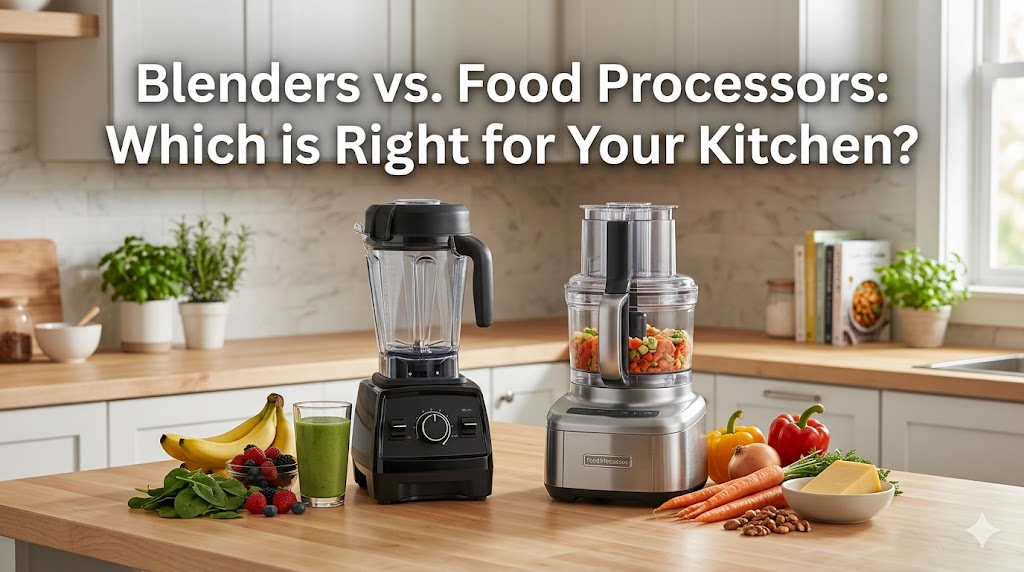
    Blenders vs. Food Processors: Which is Right for Your Kitchen?

    If you enjoy getting creative in the kitchen, you might be looking for a new appliance to take your culinary flair to the next level. However, choosing between a food processor and a blender can be rather confusing, with many people mistakenly believing that they offer the exact same qualities and functions.

    To help you make the right investment, we consulted kitchen appliance experts to expose the strengths and weaknesses of each gadget. Whether you are hunting for the best blender for morning smoothies or a processor to make weekly meal prep a breeze, here is everything you need to know.

    What Can a Blender Do That a Food Processor Can’t?

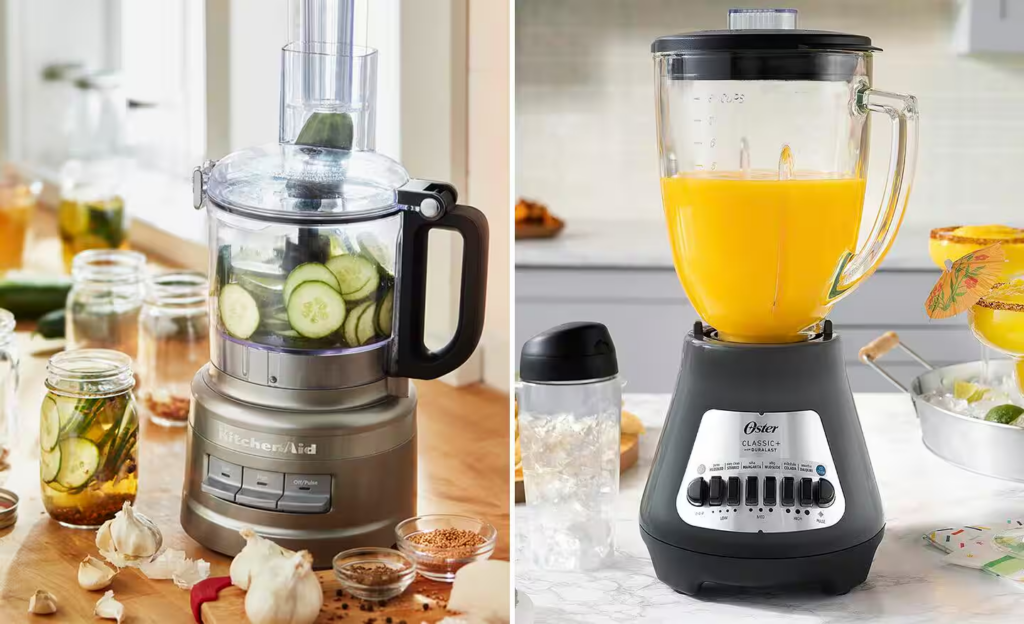
    Thanks to the design of its tall jug and upward-facing blades, a blender can easily transform ingredients into smoothies, drinks, dips, soups, and sauces.

    “Blenders, in general, can produce a smoother consistency more quickly for low viscosity liquids,” explains Stephen Catherall, UK sales manager at Magimix. “This is great for things like smoothies with harder and tougher ingredients and silky-smooth soups.”

    Furthermore, many high-powered blenders can effortlessly crush ice, making them the perfect tool for finishing off summer cocktails or frozen drinks.

    What Can a Food Processor Do That a Blender Can’t?

    Due to the rounder, wider bowl and S-shaped blade, a food processor is built to tackle ingredients in a completely different way.

    “Any food that you would consider cutting with a knife on a chopping board will produce better results in a food processor than in a blender,” says Stephen. “Think chopping herbs, onions, carrots, garlic, celery, or nuts.” Even meat can be chopped easily in a food processor as it doesn’t get stuck under the blades.

    Food processors excel at:

    • Grating & Slicing: Perfect for shredding cheese, carrots, beetroot, or slicing courgettes into ribbons for quick, tasty salads.
    • Kneading Dough: Food processors knead dough successfully, whereas blender blades spin far too fast for effective dough kneading.
    • Dicing & Whisking: Many processors come with specialized attachments to help you achieve professional-level food prep.

    Pros and Cons: The Head-to-Head Comparison

    The Food Processor

    “Food processors offer fantastic multifunctionality in the kitchen and can help you produce a wide variety of dishes,” explains Steven Carter-Bailey, food expert at ProCook. “They are better at producing coarse or fine consistencies, as well as everything in between—you have more control than with a blender.”

    • Pros: Highly versatile, great for solid foods, multiple attachments for slicing/grating, speeds up meal prep.
    • Cons: Often large and bulky to store, can be fiddly to clean, and some models produce quite a lot of noise.

    The Blender

    “One advantage of a blender is that it has a smaller footprint, so it can sit neatly in one area of the kitchen worktop,” notes Steven. “Blenders are also quick and easy to clean, with the jug often being dishwasher safe.”

    • Pros: Quick and easy to use, perfect for silky smooth liquids, compact footprint, great for crushing ice.
    • Cons: Blades are not as sharp (making them less effective for thick/dry ingredients), and the design can lead to blockages if there isn’t enough liquid in the jug.

    How Much Should You Spend?

    • Blenders: Prices start around £29.99 for personal, on-the-go bullet models and can increase to £600 for robust, professional-grade jug styles.
    • Food Processors: Budget solutions start around £74.99, with prices ranging up to £800+ for expert models featuring a massive host of attachments and large capacities.

    Generally, blenders are more affordable. However, if your main goal is cutting down on daily food preparation and chopping time, a food processor is a highly justifiable purchase.

    Which One is Best For You?

    The right choice comes down entirely to your cooking habits:

    • Choose a Blender if: You frequently prepare your own sauces, purees, and smoothies. If you love healthy beverages on the go or need to crush ice, a blender is the perfect addition to your kitchen. Expert Pick: Salter NutriPro for compact power, or the Salter PowerPro for large batch blending.
    • Choose a Food Processor if: You want to conquer diverse cooking tasks like chopping, slicing, shredding, and baking. It is the undisputed champion for home bakers, busy families, and budding kitchen connoisseurs. Expert Pick: The Magimix 4200XL (for average families) or 5200XL (for large crowds).