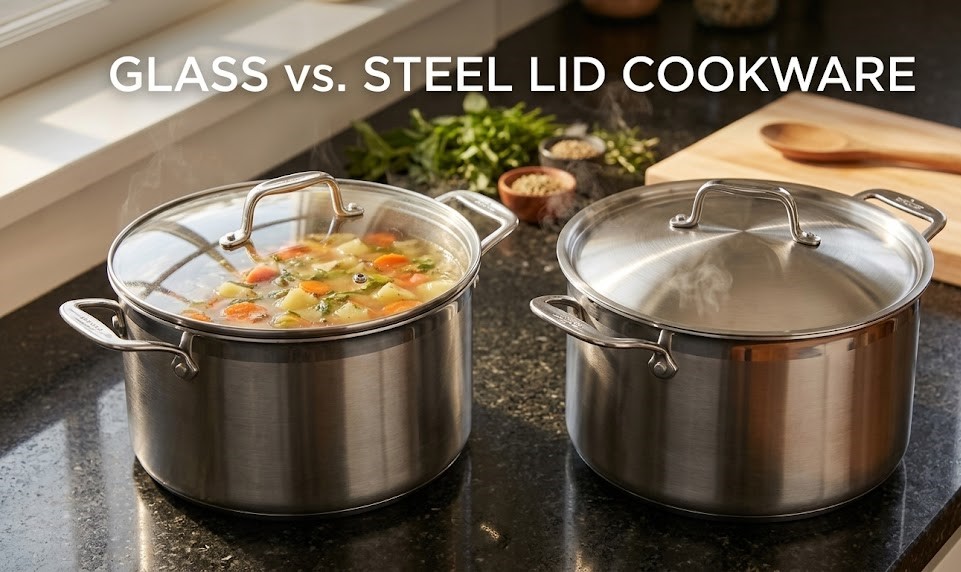
In the manufacturing and culinary logistics sectors, the architecture of a Cookware lid is not a secondary aesthetic feature; it is a critical thermodynamic seal that dictates cooking efficiency, safety, and operational lifespan. The consumer market is primarily divided between two structural materials: tempered glass and stainless steel. This intelligence brief deconstructs the mechanical properties, heat resistance, safety profiles, and cost-benefit analysis of both lid architectures.
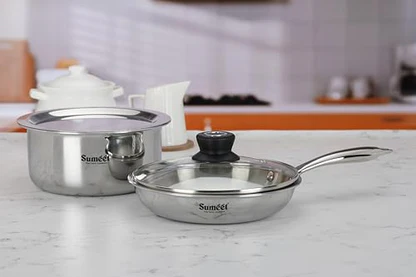
Technical Mechanics: Tempered Glass Lids
Glass lids are engineered from Toughened glass (tempered glass), treated by controlled thermal or chemical processes to increase its strength compared to normal glass.
- Operational Visibility: The primary mechanical advantage is transparency. Operators can visually monitor food rendering, boiling points, and liquid reduction without breaking the thermal seal. Lifting a lid releases trapped heat and steam, which drops the internal temperature and extends cooking times.
- Structural Vulnerabilities: While tempered glass is highly resistant to thermal shock (rapid temperature changes), it is not immune to physical impact. Dropping a glass lid onto a hard surface carries a risk of shattering. Furthermore, the maximum heat threshold is typically lower than metal, making them less ideal for extreme high-heat oven use.
- Component Integration: Modern glass lids frequently feature a silicone rim to provide a soft, airtight seal and prevent scratching the non-stick coating of the primary vessel. They also incorporate a small steam vent to regulate internal pressure and prevent boil-overs.
Technical Mechanics: Stainless Steel Lids
Stainless steel lids are the traditional, heavy-duty standard in commercial and high-volume domestic kitchens.
- Absolute Durability: The primary advantage is total physical resilience. Stainless steel will not shatter, crack, or warp under standard operational stress. It is highly resistant to dents and scratches, ensuring a functional lifespan that frequently outlasts the cookware itself.
- Thermodynamic Superiority: Metal reflects heat back into the cooking vessel more efficiently than glass. Stainless steel lids can withstand extreme oven temperatures (often up to 500°F or higher), making them mandatory for techniques requiring heavy braising, roasting, or transitioning from stovetop to oven.
- Operational Friction: The core limitation is the lack of visibility. To check the cooking progress, the operator must physically lift the lid, releasing heat and interrupting the cooking cycle.
Economic Impact and Lifecycle Value
From a procurement perspective, both architectures offer distinct value propositions based on the user’s operational needs.
- Glass Economics: Glass lids represent a lower initial Capital expenditure (CAPEX), typically ranging from $10 to $40. Their ability to retain heat by preventing unnecessary lifting translates to minor but cumulative energy savings over time. However, their fragility introduces a higher replacement risk.
- Stainless Steel Economics: These lids command a higher initial price point ($15 to $60+). However, their near-indestructible nature guarantees a long-term Return on investment (ROI), eliminating the need for future replacements.
The Universal Deployment Strategy
To mitigate the clutter of storing dozens of specific lids, manufacturers have introduced “Universal Lids.” These are typically engineered with a tiered silicone base that steps down in diameter, allowing a single lid to form an airtight seal over multiple pot sizes (e.g., covering 10-inch, 11-inch, and 12-inch pans). This is a highly efficient, space-saving logistical solution for modern, compact kitchens.
Conclusion
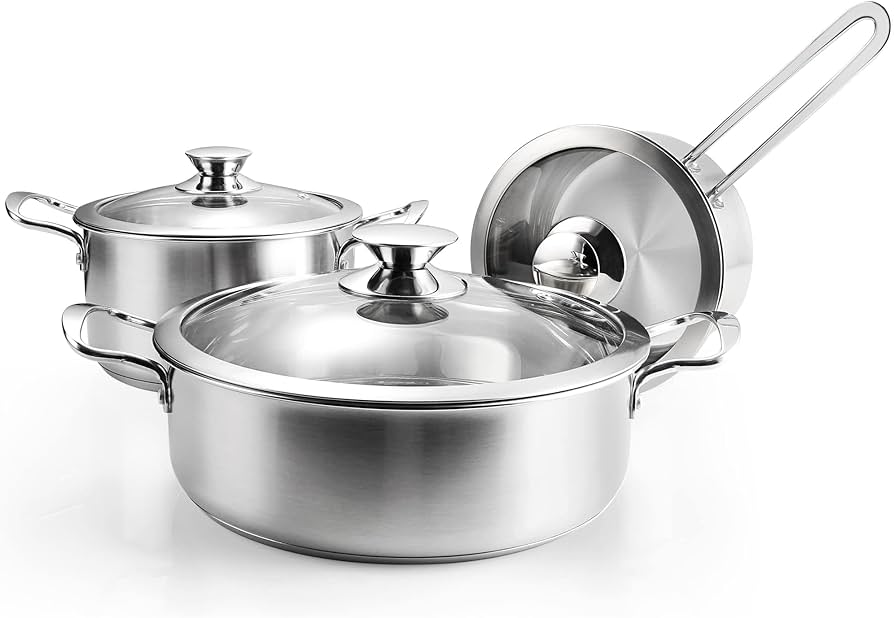
The strategic verdict for 2026 is that lid selection must align with the operator’s primary cooking style. Tempered glass lids are optimal for precision stovetop cooking where visual monitoring is critical (steaming, simmering, pan-frying). Stainless steel lids are the superior asset for heavy-duty operations, high-heat oven cooking, and commercial environments where durability supersedes visibility. For operators seeking maximum efficiency and minimal storage friction, deploying a tiered, universal silicone-and-glass lid offers the highest return on utility.