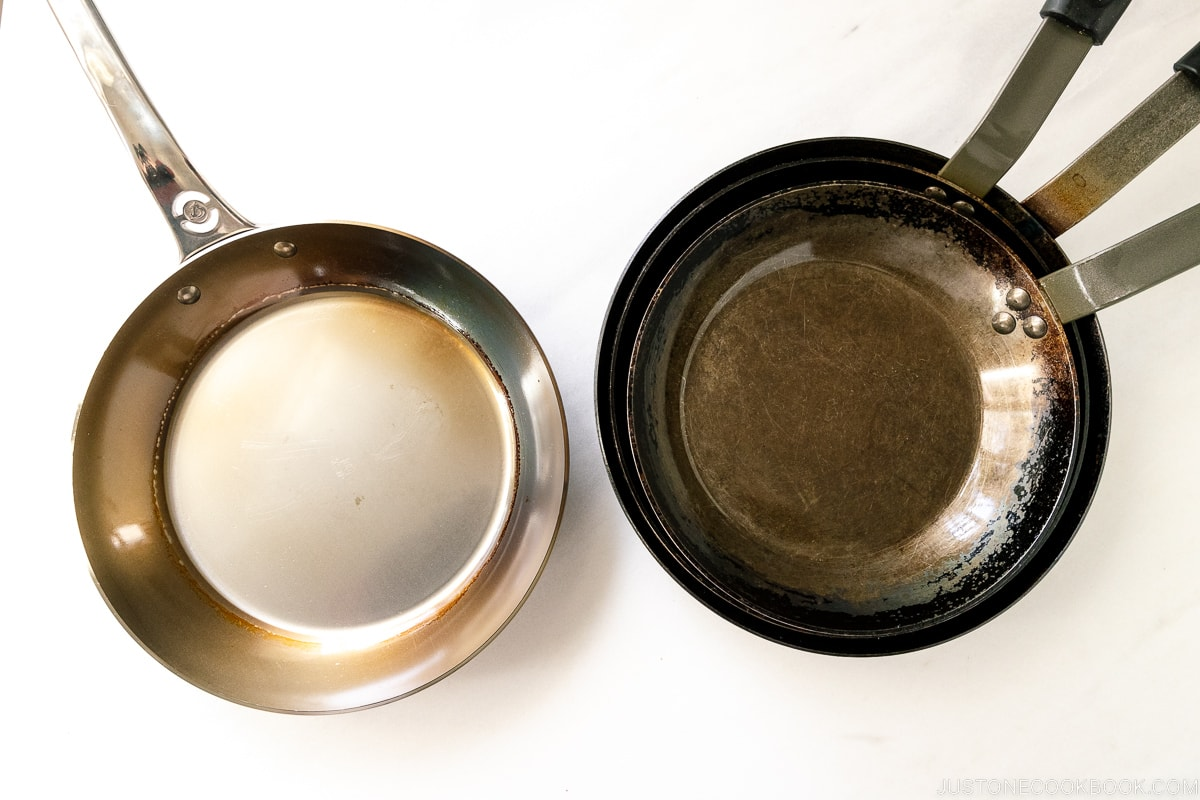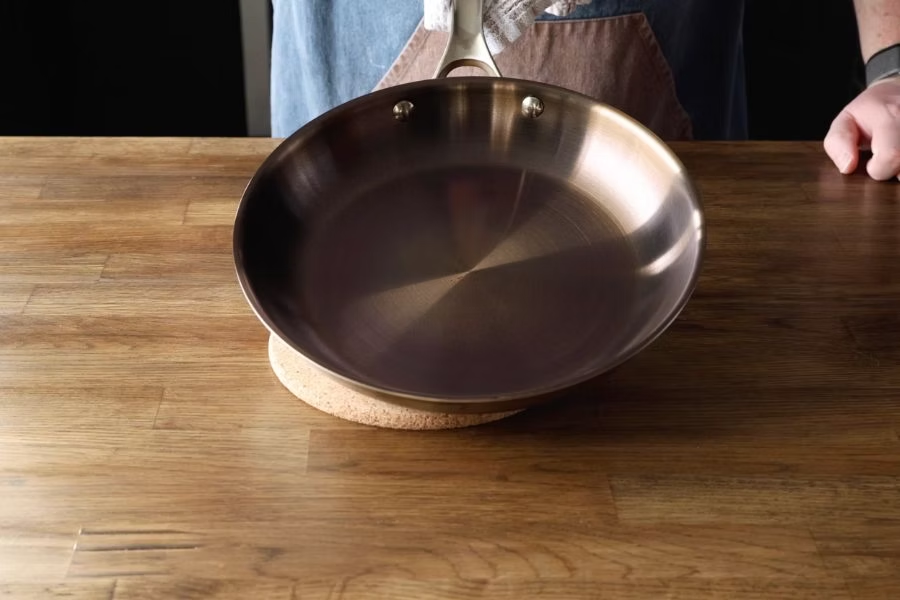
A Stainless steel material offers unmatched durability and versatility in the kitchen. Our premium stainless steel cookware resists corrosion, maintains its beautiful finish, and delivers consistent results. While this professional-grade material can withstand daily use, choosing the right Kitchen utensil enhances its exceptional performance and extends its already impressive lifespan.
The key lies in pairing your cookware with tools that complement its superior construction—whether you’re searing a perfect steak or crafting delicate sauces. When you protect your pan’s cooking surface with appropriate utensils, you’re not just preserving its appearance; you’re ensuring optimal heat distribution and maintaining that coveted ability to deglaze and develop complex flavors. Think of it as investing in your cookware’s future, allowing it to remain your trusted kitchen companion for generations to come.
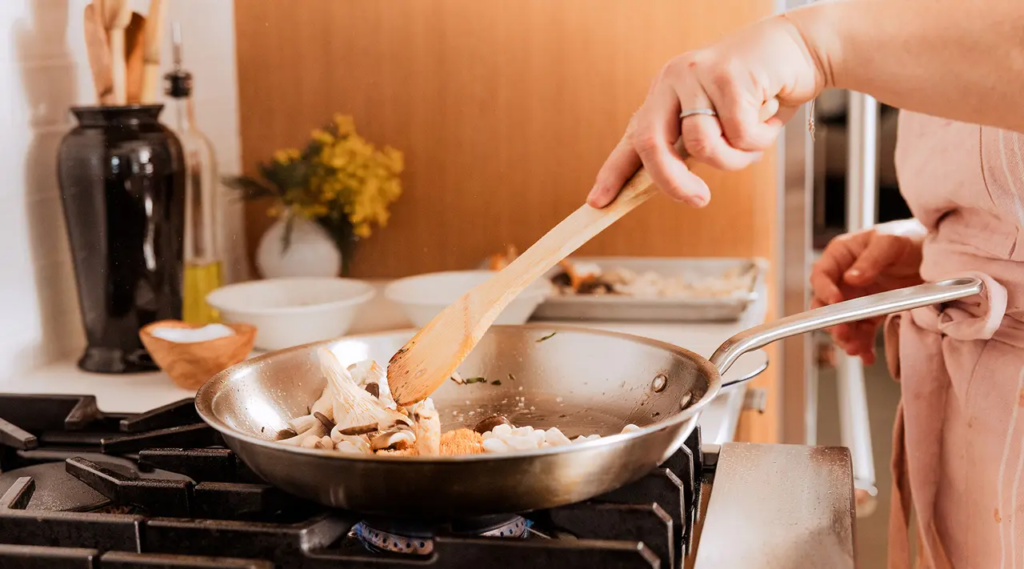
Understanding Tool Materials: What Are The Best Cooking Utensils?
Professional Metal Cooking Utensils
Metal tools like stainless steel spatulas, spoons, and tongs are popular in professional kitchens for a reason: they are strong, precise, and perfect for tasks like searing meat or deglazing a pan. When you’re using bonded stainless steel cookware, especially pieces like frying pans or sauté pans, metal utensils can help you get a great sear or safely scrape up browned bits for rich sauces.
Silicone Cooking Utensils
Flexible, heat-resistant, and gentle on all surfaces, Silicone utensils are a great go-to for everyday cooking. They will not scratch your stainless steel cookware and are especially handy when working with delicate foods or high-heat tasks like stirring sauces, flipping eggs, or scraping out every bit of batter. Always look for high-quality, BPA-free silicone tools that can withstand high temperatures without warping or degrading over time.
High-Quality Nonstick Utensils
These utensils are lightweight, comfortable to use, and feature a safe Non-stick surface, making them a practical choice for everyday cooking. They are safe for stainless steel cookware and gentle enough to prevent scratching, which makes them a good option for newer cooks or busy kitchens. Just be mindful not to leave them resting in very hot pans or near direct heat sources, as extreme heat can affect their shape over time and affect their performance.
Cooking Safely and Effectively with Stainless Steel
Stainless steel cookware is designed for exceptional performance, durability, and long-term use. While our cookware is built to withstand high heat and heavy use, using the right utensils and techniques helps you get the most out of every piece.
- Control the heat: To maintain peak performance, we recommend cooking over medium heat and preheating the pan before adding oil or ingredients. All-Clad stainless steel conducts heat efficiently, so there’s no need for high temperatures in most cases.
- Keep it clean: Keeping your cookware clean and dry between uses also helps it retain its signature appearance, whether you’re cooking every night or just on weekends.
- Choose the right tool: Whether you’re flipping with stainless steel tongs or stirring with a silicone Spatula, matching the tool to the culinary task ensures professional results.
Must-Have Tools for Stainless Steel Cooking
For the ultimate stainless steel cooking experience, start with versatile spatulas in both metal and silicone varieties, paired with durable spoons and ladles available in your choice of silicone or stainless steel construction. Complete your essential collection with sturdy tongs for precise control, high-quality whisks, and efficient slotted tools perfect for draining and serving. Each piece is designed to complement your cookware while ensuring optimal performance and longevity.
Explore All-Clad’s Professional Kitchen Tool Sets
Crafted with the same meticulous attention to detail as our renowned cookware, All-Clad’s professional-grade utensils deliver unmatched durability and precision in every kitchen task. Our heavy-gauge stainless steel tools are thoughtfully engineered with ergonomic handles and perfectly balanced weight, ensuring comfortable control whether you’re deglazing a pan or serving your culinary masterpieces.
These chef-inspired tools are specifically designed to complement our stainless steel cookware, featuring extended handles that keep your hands safely away from heat and precision-crafted edges that protect your pans’ cooking surface, making All-Clad utensils the perfect partner for your cooking adventures.
How to Care for and Maintain Your Utensils
Keeping your kitchen tools in prime condition ensures they’ll perform beautifully alongside your All-Clad cookware for years to come. Here’s how to maintain your investment:
Daily Care Made Simple
- Remove any food residue promptly to prevent staining or odor absorption.
- Hand wash utensils in warm, soapy water immediately after use.
- Dry thoroughly with a soft cloth to prevent water spots and maintain shine.
- For dishwasher-safe tools, place them handle-up in your utensil basket.
Smart Storage Solutions
- Store utensils upright in a sturdy holder to prevent tangling and scratches.
- Use drawer dividers to keep tools organized and protected.
- Place soft dividers between stacked items to prevent scratching.
- Keep tools away from direct heat sources and excessive moisture.
Pro Tip: Invest in quality utensil holders and drawer organizers that match your kitchen’s style while effectively protecting your tools.