Tag: Kitchen Appliances

  • Air Fryers vs. Convection Ovens

    Air Fryers vs. Convection Ovens

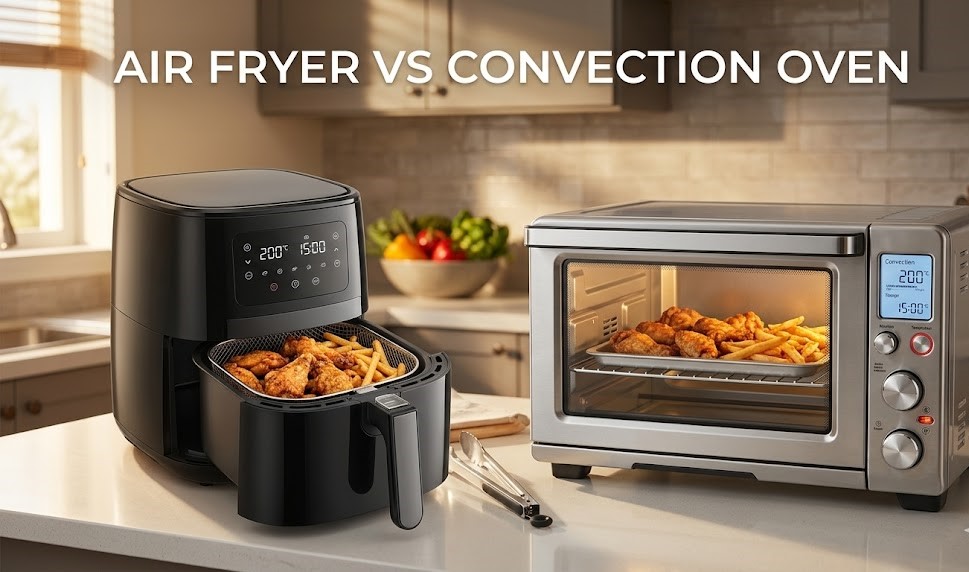
    In the modern domestic kitchen, the demand for low-fat culinary preparation has driven the mass adoption of hot-air cooking technologies. While both Air fryers and Convection ovens operate on similar thermodynamic principles, their structural engineering and intended culinary deployments differ significantly. This intelligence brief deconstructs the mechanical operations, utility trade-offs, and energy economics of both appliances to help operators optimize their kitchen infrastructure.
    Historical Context and Culinary Architecture

    Historically, achieving a crispy exterior on food required Deep frying, a process that fully submerges ingredients in boiling oil, resulting in a high caloric load and heavy fat absorption. The introduction of consumer-grade convection technology aimed to simulate this exact textural outcome using superheated air and minimal lipid application. Today, the market is divided between highly specialized, compact air fryers and broad-utility, large-capacity convection ovens.

    Technical Mechanics: Thermodynamics and Heat Transfer

    While both appliances utilize fans to circulate hot air, the velocity and spatial dynamics vary drastically, altering the culinary outcome.

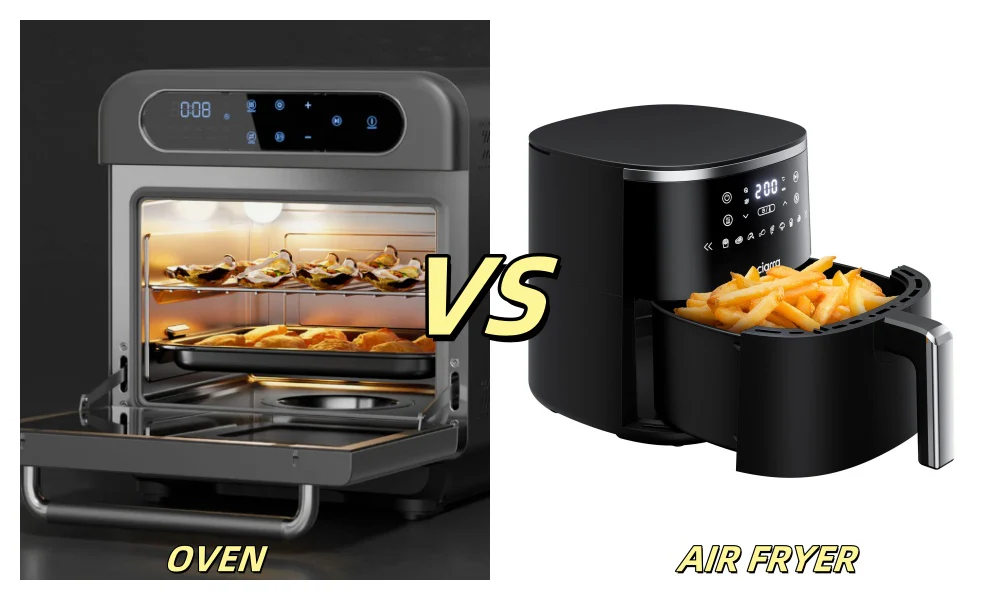
    • The Air Fryer Architecture: An air fryer is essentially a highly compact, turbocharged convection chamber. It features a heating element positioned directly above a perforated basket, paired with a powerful, high-speed fan. This architecture creates a concentrated, aggressive wind tunnel effect. The intense heat transfer rapidly triggers the Maillard reaction, delivering a deeply crispy exterior in minutes with up to 80% less oil than traditional frying.
      • Operational Constraints: The compact size prohibits large-batch cooking. Overcrowding the basket physically blocks the airflow, resulting in soggy, steamed food rather than a crisp finish.
    • The Convection Oven Architecture: This system utilizes a fan and exhaust port located at the back of a standard-sized oven cavity. The fan distributes ambient hot air evenly across multiple racks.
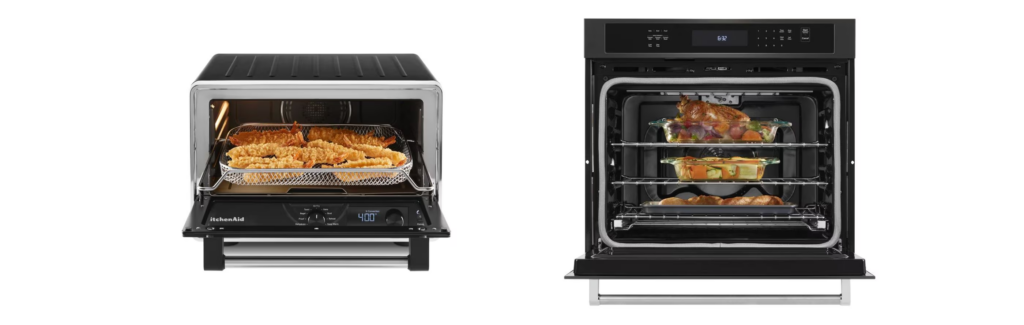
      • Operational Advantages: It eliminates “hot spots” common in conventional ovens, ensuring uniform baking and roasting. Because the airflow is less aggressive than an air fryer, it is vastly superior for delicate operations like baking cakes or roasting large proteins. Operators should generally lower recipe temperatures by 10°C to 20°C when utilizing the convection setting to prevent overcooking.

    Economic Impact and Energy Logistics

    From a domestic utility perspective, the choice between these assets impacts both time efficiency and Energy efficiency (Operational Expenditure).

    • Energy Consumption: Air fryers are significantly more energy-efficient for small-scale operations. Their small internal volume requires zero to minimal preheating (3–5 minutes) and cooks food up to 30% faster than a full-sized oven, drastically reducing electricity draw.
    • Batch Efficiency: Conversely, for a multi-person household, cooking a large meal in an air fryer requires multiple sequential batches, negating the time and energy savings. A convection oven allows the operator to load multiple racks simultaneously, making it the more economically and temporally efficient asset for large-scale meal prep.
    Conclusion

    The strategic verdict is that neither appliance is objectively “healthier” than the other; both successfully eliminate the need for heavy oil submersion. The correct procurement decision depends entirely on the operator’s daily logistics. If your primary objective is rapidly generating crispy, fried-style textures in small batches with minimal energy waste, the air fryer is the optimal tool. If your operations require high-volume capacity, multi-rack baking, and even roasting, the convection oven remains the superior, highly versatile kitchen asset.
  • Dishwasher vs. Handwashing: Which is the Most Efficient Method?

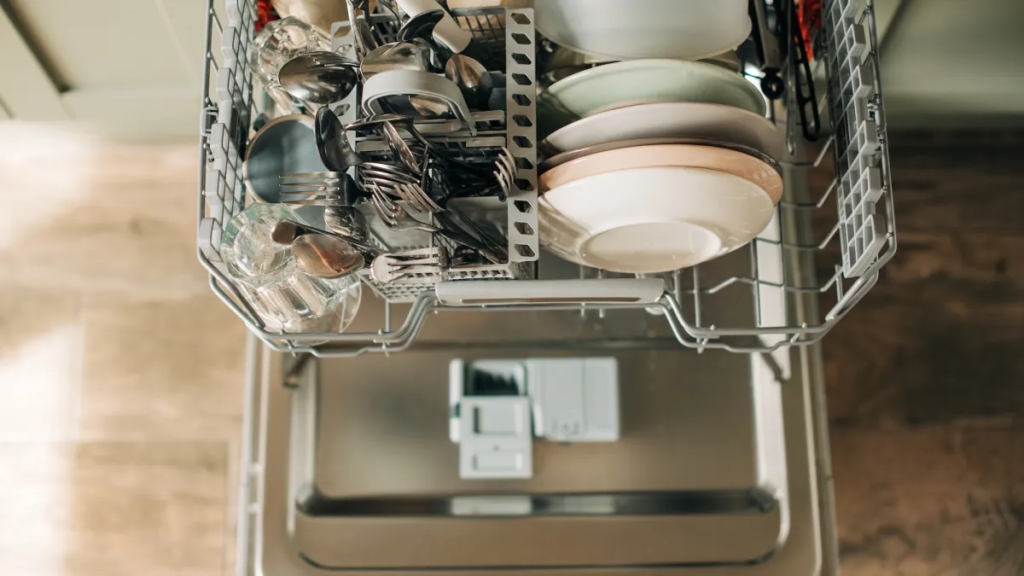
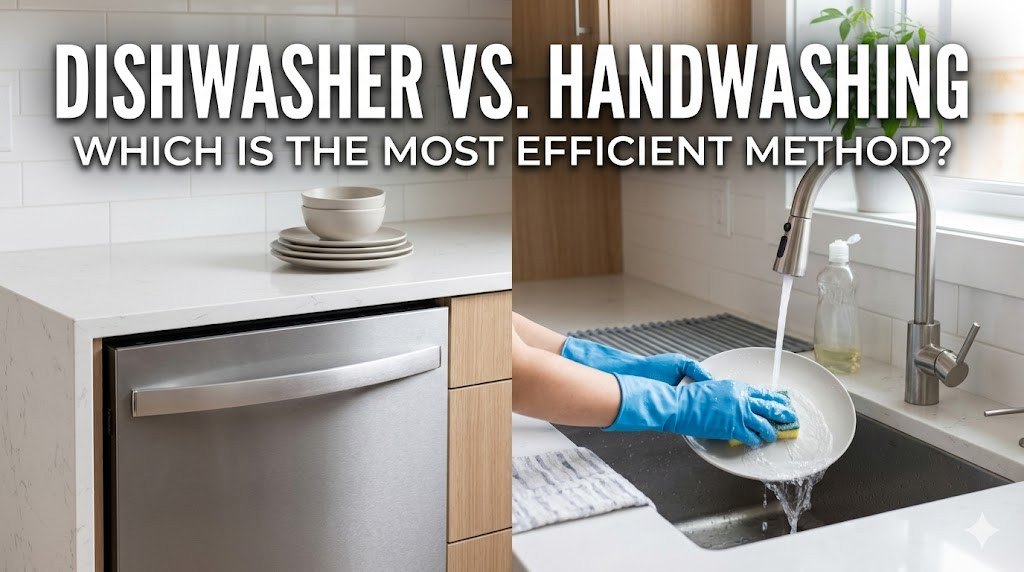
    Dishwasher vs. Handwashing: Which is the Most Efficient Method?

    Which? tests show that even the least efficient dishwasher uses a fraction of the water compared to washing by hand. They’re often more energy-efficient, too.

    Our in-depth testing has found that dishwashers, on average, use almost 80% less water per full wash than washing up by hand. Switch to eco mode, and a dishwasher uses even less water. Even a relatively inefficient model still trounces handwashing in terms of water use.

    Here, we break down how water and energy use compare between using a dishwasher and handwashing dishes in the kitchen sink.

    Dishwashers vs. Handwashing: Capacity

    When washing up by hand, we estimate you can clean around two “place settings” with one washing-up bowl (with an average capacity of nine litres) before you need to empty and refill it.

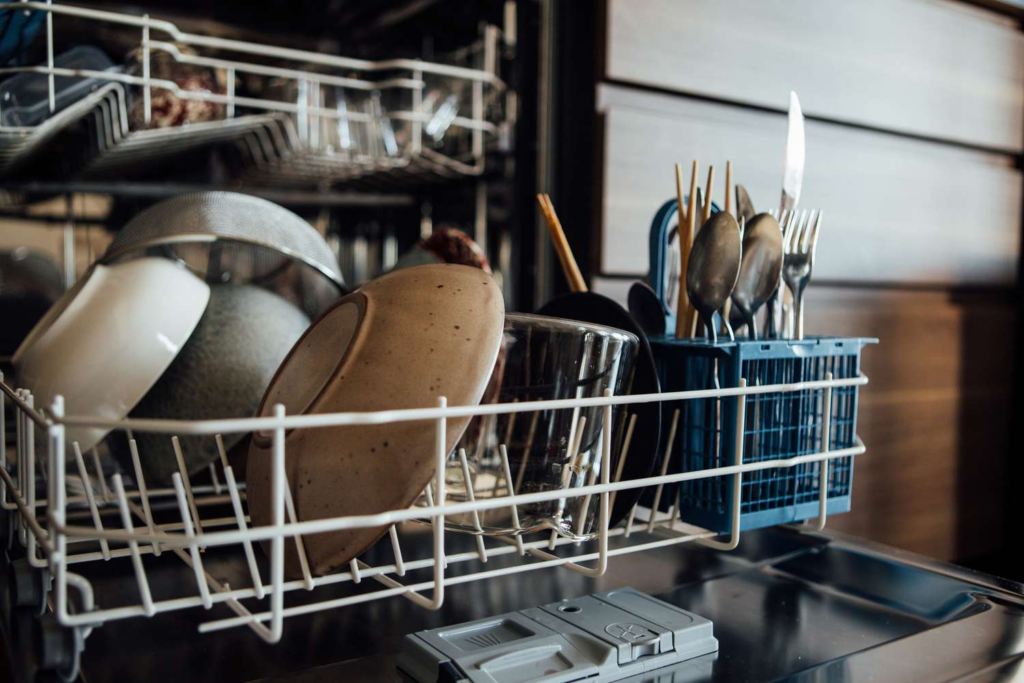
    However, most dishwashers don’t just wash one or two place settings at a time. We’ve tested some full-sized models that will do up to 16 sets in one wash. Slimline dishwashers will handle around eight to 11 place settings, and even compact dishwashers will do four to six place settings.

    So, all conventional dishwasher types will wash considerably more dishes in a single cycle compared to handwashing.

    What constitutes a place setting?

    TheAssociation of Home Appliance Manufacturers (AHAM)defines one place setting as: a cup, saucer, dinner plate, side plate, fruit bowl, glass, dinner fork, salad fork, knife, and two teaspoons.

    Do Dishwashers Use More Water?

    No, quite the opposite.

    Handwashing effectively uses 4.5 litres of water per place setting. However, based on a sample of recently tested dishwashers (including a mix of efficient and not-so-frugal models), we estimate that it takes just under one litre of water per place setting in a dishwasher.

    Washing 14 place settings by hand would use an incredible 63 litres of water. Compare that to an average of 12.96 litres when using the main wash cycle on our sample of dishwashers. Switch to eco mode, and that drops down to just 696 millilitres per place setting—or just under 10 litres for 14 place settings.

    There really is no debate: dishwashers use significantly less water than handwashing.

    Method of WashingAvg. Water Per Place SettingAvg. Water Per 14 Place Settings
    Handwashing4.5 litres63 litres
    Dishwasher (Main Wash)926 millilitres12.96 litres
    Dishwasher (Eco Mode)696 millilitres9.74 litres

    (Based on a mixed sample of 33 recently tested dishwashers, including a variety of full-sized and slimline models, and mixed water-efficiency scores).


    What About Energy Use?

    This is where the comparison gets a little trickier.

    Dishwashers on average use about 1.12kWh of energy per wash, which costs roughly 26.5p*. How much energy is used to heat up water for your washing-up bowl will depend entirely on your home’s heater.

    If you have a gas-heated water tank, it isn’t an easy comparison, as gas is typically cheaper than electricity. If using an electric immersion heater that is 3kW, it will cost roughly 11p* to heat up a nine-litre washing-up bowl.

    That is obviously cheaper than running the dishwasher, but just remember: that bowl will only wash two place settings, whereas the dishwasher will clean considerably more (up to 16!). Once you refill the sink multiple times to match the dishwasher’s capacity, the dishwasher becomes the clear winner.

    *Based on the April 2026 energy price cap of 24.67p per kWh.


    Buying Advice

    When shopping for an efficient, reliable appliance, it always helps to buy the best that you can afford.

    Our Best Buy dishwashers start from around £250. We’ve also tested and recommended Great Value dishwashers starting from just under £300, and Eco Buy dishwashers that can save you even more money in the long run.

    You can browse our extensive dishwasher reviews to filter by Best Buy, Great Value, or Eco Buy. You can even filter by annual running costs, brand, price range, and our rigorous test results to find the perfect fit for your kitchen and your wallet.

    Also Read : Paper Towels vs. Cloth Towels: The Ultimate Guide to Hygiene and Sustainability

  • Traditional vs. Non-Stick Roti Tawas: Making the Right Choice

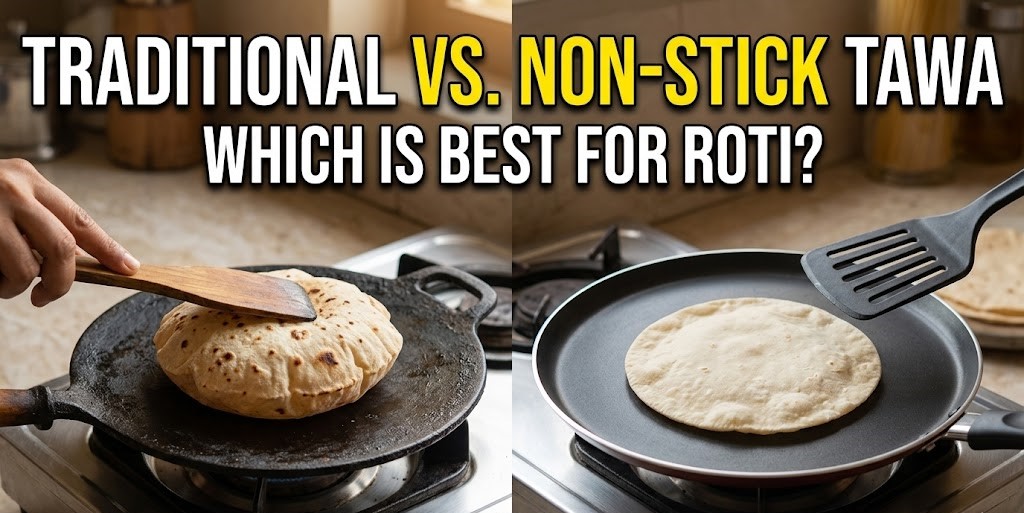
    Traditional vs. Non-Stick Roti Tawas: Making the Right Choice

    The humble roti is a staple flatbread that holds a special place in homes worldwide. However, achieving the perfect texture—soft, yet well-cooked—often sparks a sizzling debate: should you use a Tava made of traditional iron or a modern non-stick surface? Both options offer unique culinary advantages and maintenance considerations that influence your daily cooking experience.

    Traditional Tawas: Embracing Culinary Roots

    For those who value heritage and a robust flavor profile, traditional tawas—typically made of Cast iron or unglazed clay—are often considered the gold standard.

    • Superior Heat Retention: Cast iron is renowned for its ability to absorb, retain, and evenly distribute heat. This ensures that rotis are cooked thoroughly without hot spots.
    • Flavor Profile: A well-seasoned traditional tawa imparts a distinct, earthy “char” and aroma to the bread that modern coatings cannot replicate.
    • Generational Durability: These tawas are virtually indestructible. With proper seasoning to prevent Rust, they can be passed down through generations.
    • Health Benefits: Cooking on cast iron can naturally add trace amounts of iron to your diet, and unglazed clay is celebrated for maintaining the nutritional value of the dough.

    Modern Non-Stick Tawas: Convenience and Innovation

    In a fast-paced modern kitchen, the non-stick tawa has revolutionized how we prepare flatbreads by focusing on efficiency and health-conscious cooking.

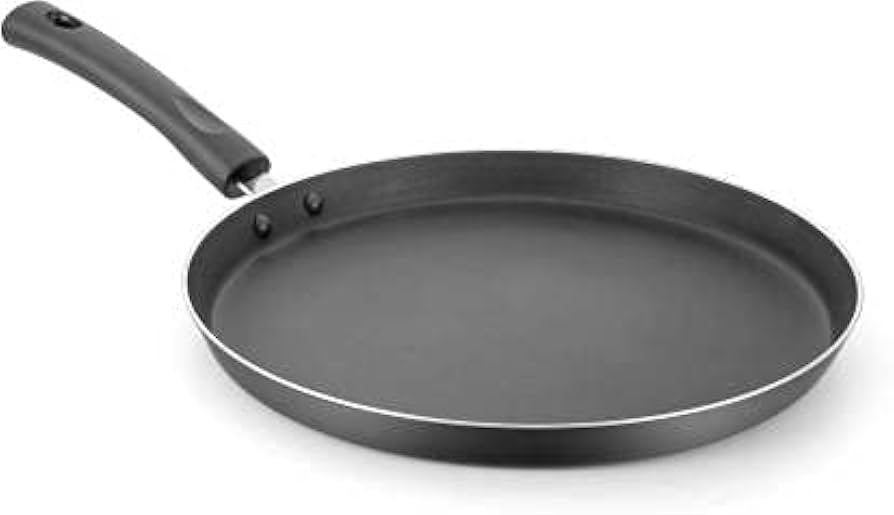
    • Minimal Oil Usage: The primary advantage of a non-stick coating (often Polytetrafluoroethylene or ceramic) is the ability to cook with little to no oil, reducing the overall fat content of your meal.
    • Effortless Cleaning: These tawas prevent dough from sticking, making the flipping process stress-free and cleanup as simple as a gentle wipe with a soft sponge.
    • Precision and Consistency: Modern designs, often using an Aluminium base, heat up very quickly and provide a uniform temperature across the surface for consistent results.
    • Safety Standards: High-quality non-stick ranges, such as those from Prestige, utilize PFOA-free coatings to ensure no harmful chemicals are released during everyday cooking.

    Maintenance and Longevity Comparison

    To ensure your tawa remains “the best roti tawa in India,” proper care is essential based on its material.

    FeatureTraditional (Cast Iron/Clay)Non-Stick (Ceramic/PTFE)
    DurabilityExtremely High; lasts decades.Moderate; coating wears over time.
    CleaningRequires scrubbing; must be dried.Gentle wash only; no steel wool.
    SeasoningRequires regular oil seasoning.No seasoning required.
    Heat SensitivityCan handle very high heat.Can be damaged by overheating.

    Tips for the Perfect Roti

    Regardless of your choice, mastering the heat is the key to a perfect puff:

    1. Heat Mastery: Ensure the tawa is sufficiently hot before placing the dough. A cold tawa results in a hard, chewy roti.
    2. Even Flipping: Spend equal time on both sides. On a traditional tawa, use a cloth to press the edges for better fluffing.
    3. Storage: Once cooked, keep rotis in an insulated container to maintain softness through residual moisture.
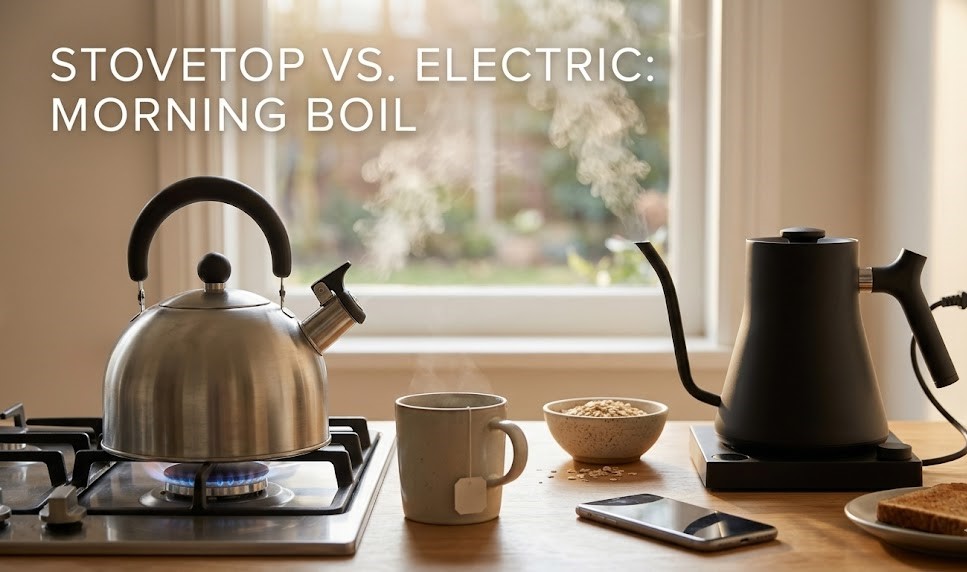
  • Stovetop Kettles vs. Electric Kettles: Which Fits Your Morning Routine Better?

    Stovetop Kettles vs. Electric Kettles: Which Fits Your Morning Routine Better?

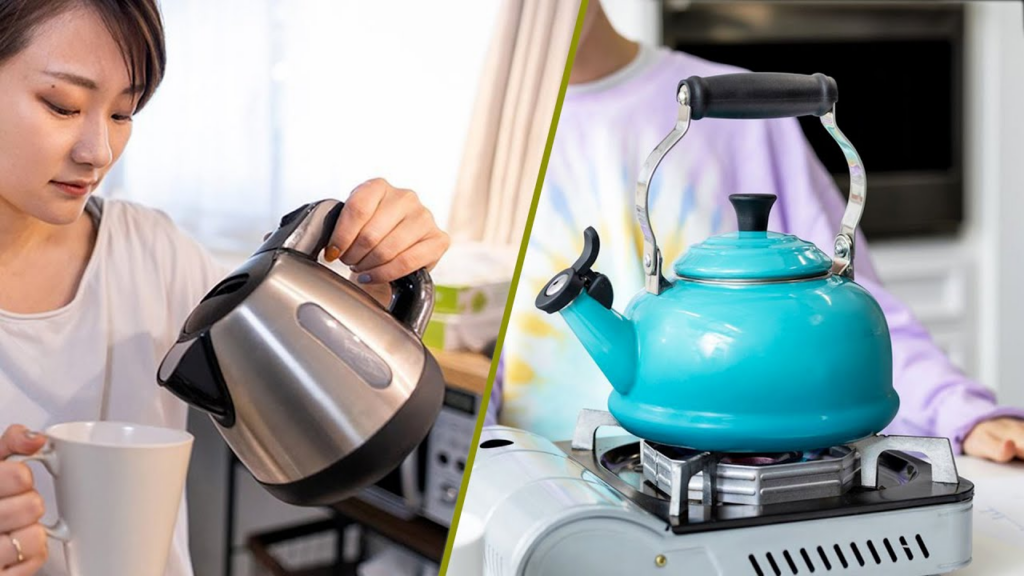
    There is something almost ceremonial about making your morning cup of tea or coffee. For some, the sound of bubbling water in a stovetop Kettle is a call to slow down and embrace ritual. For others, the swift click of an electric kettle defines efficiency and modern life.

    With Induction cooking transforming modern kitchens and stainless steel models gaining renewed relevance, the choice between stovetop and electric is no longer just about boiling water. It is about lifestyle, aesthetics, and how you want to start your day. Here is a breakdown of the pros and cons of each to help you decide.

    Speed & Energy Efficiency

    If your mornings are a race against the clock, speed is likely your top priority. Here is how the different kettles stack up when boiling one liter of water:

    • Electric Kettles (~2–3 minutes): These win for sheer efficiency. They heat water directly through a concealed plate or metal coil, minimizing energy loss.
    • Induction Hob Kettles (~3–4 minutes): By delivering magnetic energy directly into a compatible stainless steel kettle, induction hobs rival the pace of electric models.
    • Traditional Stovetop Kettles (~5–7 minutes): Boiling on a gas stove is the slowest method, as much of the heat escapes around the sides of the kettle.

    Safety & Smart Features

    • Electric: Engineered with safety at their core. Auto shut-off, boil-dry protection, and precise temperature settings are standard. Premium models even connect to apps for remote control, giving busy multitaskers peace of mind.
    • Stovetop: Relies on simpler cues, like the piercing, traditional whistle. While it requires more active attention to prevent boiling dry, pairing a stovetop kettle with an induction hob adds a layer of safety, as the hob automatically switches off when the cookware is removed.

    Material & Durability

    When it comes to material purity and longevity, Stainless steel is the gold standard for both types of kettles.

    • Stovetop Durability: A heavy-duty stovetop kettle can last decades with minimal maintenance, often becoming a family heirloom. They are also available in premium materials like copper (for exceptional conductivity) and colorful enamel.
    • Electric Construction: Electric kettles often combine stainless steel with heat-resistant plastics or glass. While sleek, these electronic components and mixed materials can wear out faster over time, especially in hard-water regions.

    Brewing Precision vs. Ritual

    • Electric (Precision & Control): For tea connoisseurs and pour-over coffee enthusiasts, precision is everything. Variable temperature controls let you set exact degrees (e.g., 80°C for delicate green teas or 96°C for bold pour-overs). Many also feature gooseneck spouts for slow, steady, barista-level pouring.
    • Stovetop (Ritual & Experience): Stovetop kettles invite you to engage all your senses. They do not give you a digital readout, but the gradual heating, the sound of the whistle, and the feel of a perfectly balanced pour can elevate a simple brew into a soulful, meditative act.

    The Final Verdict

    So, which kettle should you choose? It ultimately depends on the kind of mornings you wish to create:

    • Choose an electric kettle if speed, efficiency, and safety matter most.
    • Choose a stovetop kettle if you prefer unmatched durability, tradition, and a sense of sensory ritual.
    • Choose an induction hob kettle if you want the classic charm of a stovetop with the energy efficiency of modern technology.
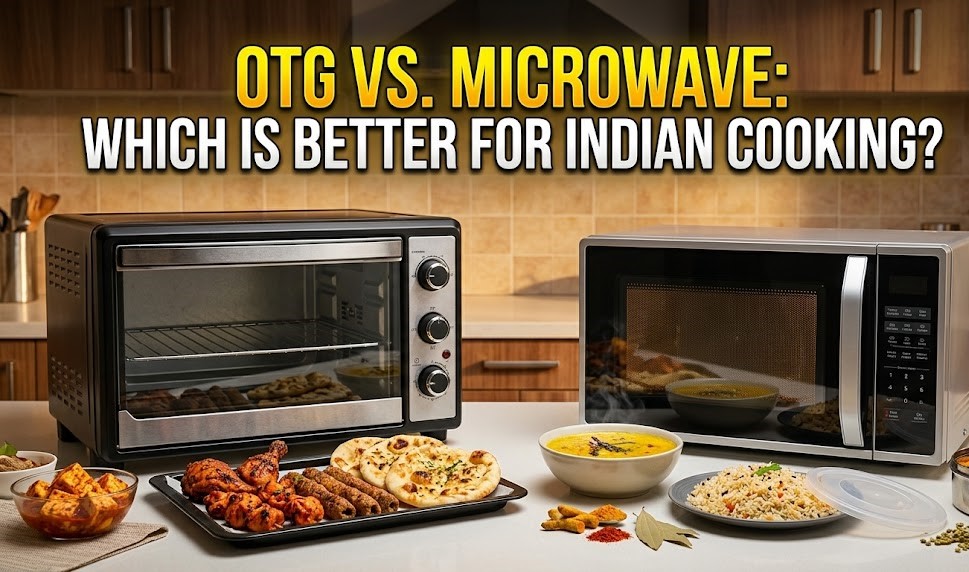
  • OTG vs. Microwave: Which is Better for Indian Cooking?

    OTG vs. Microwave: Which is Better for Indian Cooking?

    Selecting between an OTG and a microwave depends heavily on your daily cooking habits, current requirements, and personal preferences. Because Indian cuisine unites a harmonious synchronization of complex culinary elements—from slow-cooked curries to crispy tikkas and soft rotis—choosing the right appliance is crucial.

    Here is an extensive comparison between these two appliances to determine which one fits your specific needs in an Indian kitchen.

    Understanding the Appliances

    Before deciding which is better for your home, it helps to understand how each appliance actually cooks your food.

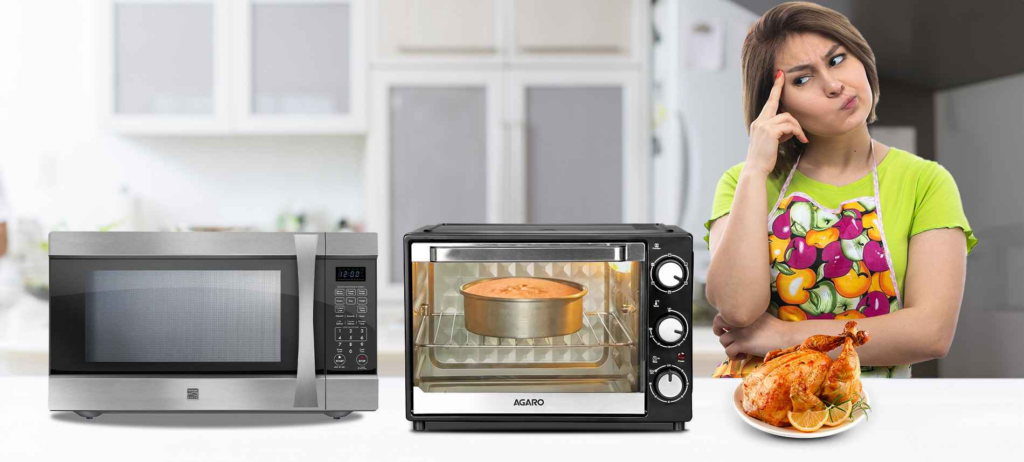
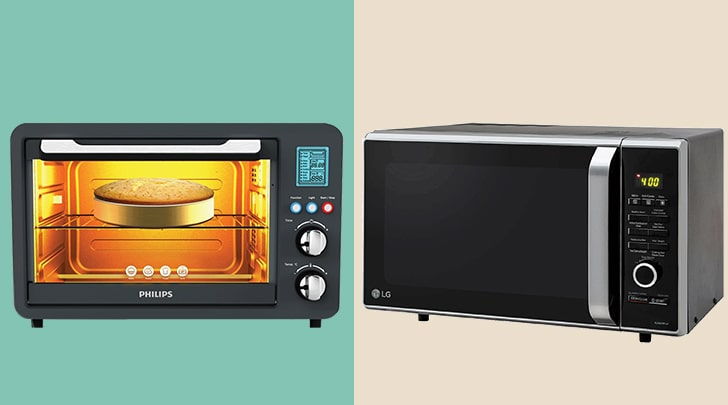
    • What is an OTG? Standing for Oven Toaster Grill, this appliance essentially functions like an ordinary Toaster oven. It uses internal heating coils as its primary heat source to accurately bake, toast, and grill foods.
    • What is a Microwave? A Microwave oven operates through electromagnetic waves to provide an instant, highly efficient heating system. Advanced convection microwaves unite this rapid heating capability with additional heating elements, allowing users to also bake and roast.

    Performance for Indian Dishes

    Each appliance has distinct strengths and limitations when preparing traditional Indian food.

    When to Use an OTG: For baking cakes, homemade breads, and cookies, an OTG drastically outperforms a microwave. The even heat distribution leads to ideal textures and perfectly baked foods. In Indian cooking, an OTG is the ultimate tool for roasting and grilling tandoori dishes like kebabs and paneer tikka. Using an OTG equipped with a grill rack and skewers creates a perfect setting that produces an authentic charred texture and smoky flavor.

    When to Use a Microwave: If you frequently need to defrost frozen foods or reheat leftovers, a microwave is unmatched. It heats food quickly and keeps it moist while preventing it from drying out. However, while great for quick heating, traditional Indian recipes such as dal, curries, and sabzi require slow simmering, which standard microwaves cannot replicate effectively.

    Key Comparisons for Buyers

    If you are still on the fence, here is how the two appliances compare across daily usability metrics:

    • Energy Efficiency & Time: Microwaves cook food much faster by heating food directly, making them highly energy-efficient for quick tasks. OTGs take longer to heat up and cook since they rely on heating coils, which consumes more electricity over time.
    • Ease of Use: Microwaves offer effortless operation through preset functions, auto-cook menus, and digital controls. They are perfect for rushed individuals. OTGs require manual temperature control and longer preheating times, appealing more to creative, patient cooks.
    • Space & Portability: Because of their small size, microwaves easily fit into kitchens with limited countertop area. Modern OTGs provide different dimensions to suit various kitchens, though their volume usually exceeds that of a standard microwave.
    • Cost & Maintenance: Microwaves generally cost more upfront than OTGs. While OTGs are more affordable, they may require purchasing additional cookware like baking trays and grilling accessories. Maintenance-wise, microwaves are much easier to wipe clean, whereas OTGs require regular, detailed cleaning of their racks and heating elements to avoid food residue buildup.

    The Final Verdict

    Both appliances have their unique advantages. Your choice ultimately depends on your lifestyle:

    • If you love baking, grilling, and toasting, go for an OTG.
    • If you prioritize quick reheating, defrosting, and simple cooking, a Microwave is much more practical.
    • If you want a combination of both functionalities, a Convection Microwave is the perfect middle-ground solution.
  • Juicer vs. Blender: Which is Healthier?

    Juicer vs. Blender: Which is Healthier?

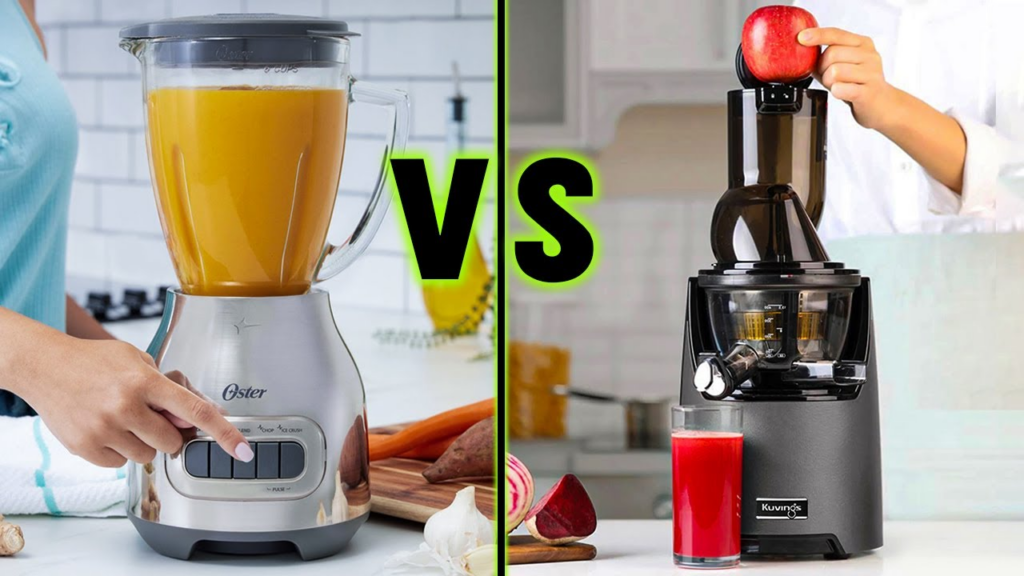
    When it comes to making healthy drinks at home, the two most popular appliances are juicers and blenders. At first glance, they might seem similar as they both turn fruits and vegetables into delicious, drinkable creations. However, the way they process ingredients and the nutritional benefits they provide are quite different.

    Whether you need a quick nutrient boost from a Juicer or a filling, fiber-rich smoothie from a Blender (device), here is everything you need to know to decide which is the better fit for your lifestyle.

    What Is a Blender?

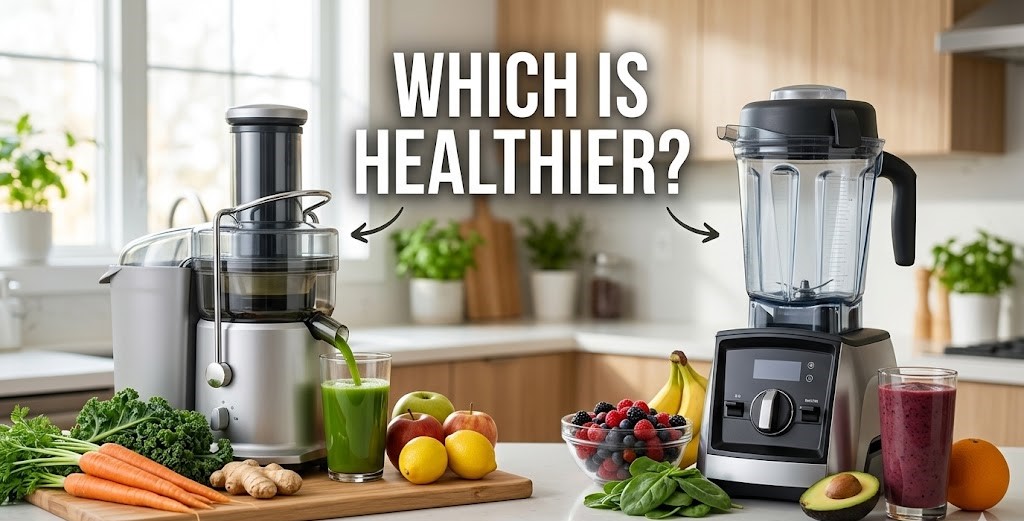
    A blender processes the entire ingredient, including the pulp, skin, and seeds, blending everything together to create a thicker beverage.

    • The Result: A thick, creamy beverage like a smoothie or soup.
    • Nutrient Profile: Retains all the Dietary fiber and most nutrients, making drinks more filling and supportive of digestive health.
    • Common Types: Countertop blenders (versatile and powerful), immersion blenders (for hot pots and sauces), and personal blenders (for single-serve smoothies on the go).

    What Is a Juicer?

    A juicer, or juice extractor, separates the liquid from fruits or vegetables, leaving behind the pulp, seeds, and skin to be discarded.

    • The Result: A smooth, thin, pulp-free liquid.
    • Nutrient Profile: Extracts a highly concentrated dose of vitamins and minerals for a quick energy boost, but loses the digestive benefits of dietary fiber.
    • Common Types: Centrifugal juicers (fast-spinning blades that can generate heat) and masticating/cold-pressed juicers (slowly crushes produce to preserve enzymes and prevent oxidation).

    Which One is Healthier?

    Neither is objectively “healthier”—it simply depends on your personal wellness goals:

    • Choose a Blender if you want a balanced, fiber-rich option that provides sustained energy, keeps you full longer, and supports healthy digestion.
    • Choose a Juicer if you want a light, refreshing drink packed with easily digestible vitamins, which is especially popular for detoxes or juice fasting.

    The Ciarra Gadgets Cold Press Juicer

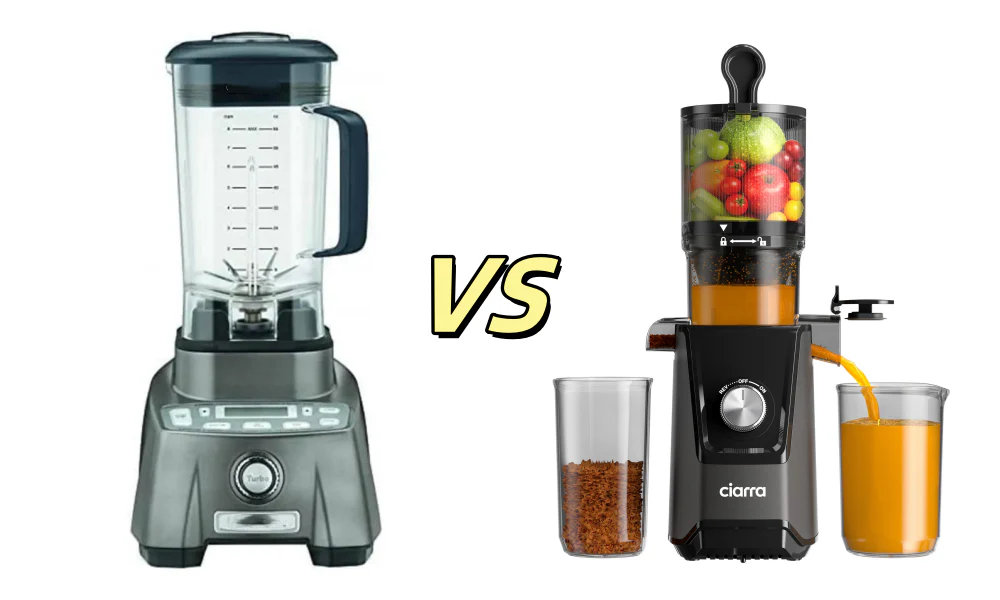
    If you decide that juicing is the right path for you, the Ciarra Gadgets High Yield Cold Press Juicer is designed to maximize both flavor and nutritional value.

    • Time-Saving Design: Features a massive 4.3-inch wide feed chute, allowing you to process whole fruits and hard vegetables (like apples or ginger) without the need for pre-cutting.
    • Incredible Yield: The slow masticating cold press technology extracts significantly more juice than competitors, leaving behind extremely dry pulp. It boasts a ≥ 75% yield for apples and ≥ 40% for carrots.
    • Quiet and Stable: Operates at a low noise level of 65–67 dB and features a non-slip base for safe, stable countertop use.
    • Smart Safety Features: Includes an automatic safety lock that stops the machine if the lid is opened, along with overheat and overload protection.
    • Versatility: Beyond standard green juices, the slow-crush mechanism is perfect for making fresh, homemade nut milks.
  • French Press vs. Coffee Maker: Which Is the Right Choice for Me?

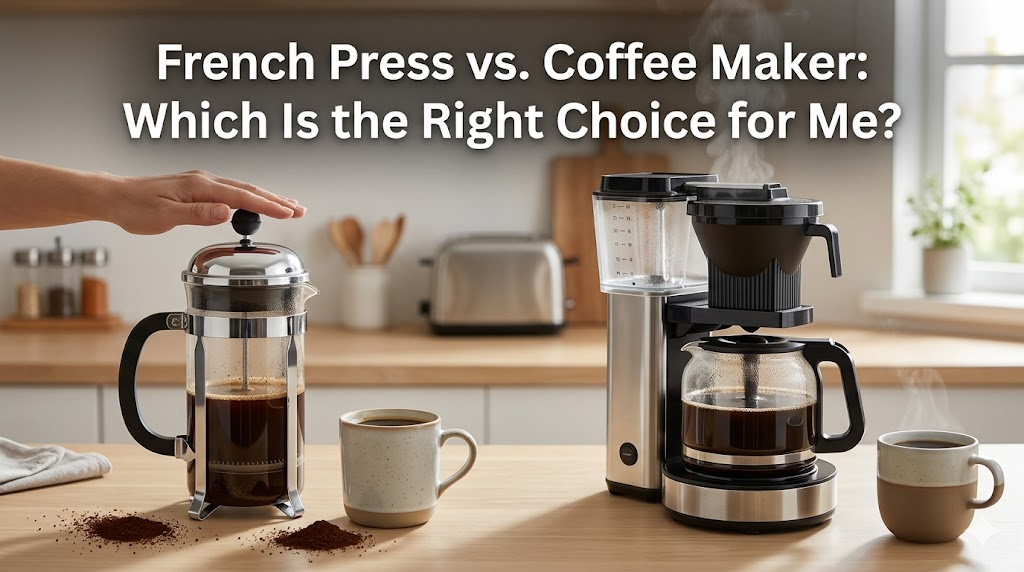
    French Press vs. Coffee Maker: Which Is the Right Choice for Me?

    When it comes to brewing the perfect cup of coffee, there is no single right answer. It all comes down to your personal preference and your daily lifestyle.

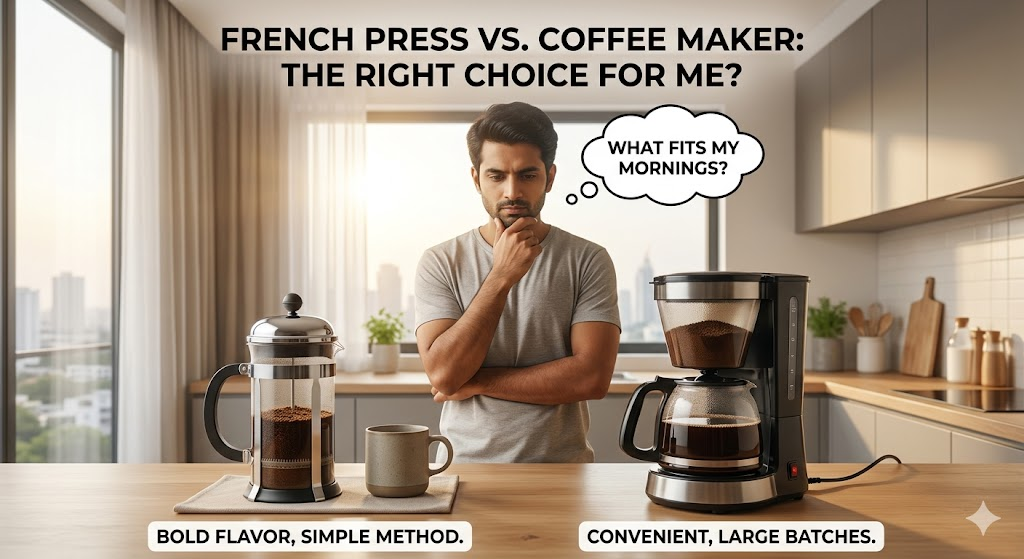
    If you have a busy morning routine and need your espresso to fit in seamlessly with minimal effort, a coffee machine will be an ideal addition to your kitchen. However, if you have the time to enjoy your coffee at a slower pace and would like to put your barista skills to good use, a traditional French press can provide a much more enriching experience.

    Here is a comprehensive look at the cost, convenience, and flavour profiles of both brewing methods to help you find the perfect match for your mornings.

    Understanding the Brewing Methods

    The Coffee MachineCoffee machines are electric appliances that create coffee via a pod system or by grinding beans in a built-in grinder. In both cases, high-pressure steam and hot water are forced through the ground coffee to drip into your cup. You can choose from different pods to create cappuccinos, espressos, and lattes, giving you a massive variety of drinks at the touch of a button.

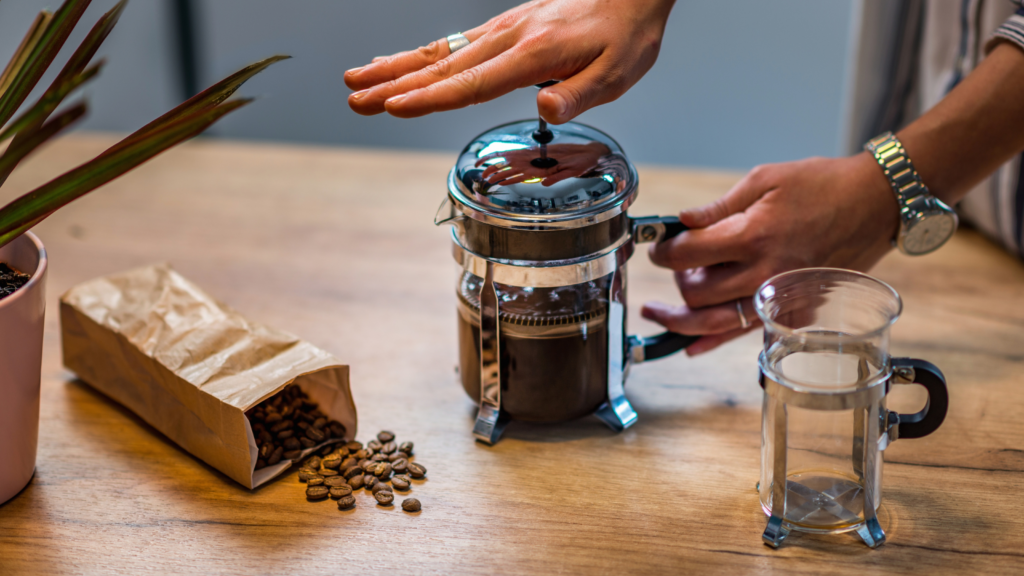
    The French Press When using a French press (or cafetière), you grind the coffee beans just before you need them to ensure the freshest flavour. You add the coarse grounds to the pot, followed by nearly boiling water, and let it steep. After about four minutes, you push the metal plunger to the bottom of the pot to separate the grounds, and your coffee is ready to pour.

    The French Press: Pros, Cons, and Value

    A French press typically creates a brew that is much richer and bolder in flavour. It also allows for total versatility, as you can adjust the strength by changing the amount of coffee grounds or tweaking the steeping time.

    Pros:

    • Eco-Friendly and Affordable: With glass or stainless steel designs starting at under £22, it is highly accessible. It also creates zero waste, unlike plastic pod-based machines.
    • Batch Brewing: A standard French press can make around four drinks at once, making it ideal if you are serving multiple people.
    • Space-Saving: It is compact, easy to clean, and takes up minimal cupboard space.

    Cons:

    • Time-Consuming: It requires a more hands-on approach and takes longer to create your morning brew.
    • Sediment: Because it uses a metal mesh filter rather than paper, some fine sediment may slip through into your cup, which deters some coffee lovers.

    The Coffee Machine: Pros, Cons, and Value

    The best coffee machines are the ideal choice for those with busy lifestyles. Convenient and easy to use, the touch of a button is all that is needed to brew the perfect cup while you get on with your day.

    Pros:

    • Speed and Convenience: Delivers your favourite hot drink in seconds with virtually no physical effort.
    • Consistency: Automatic machines deliver the exact same high-quality shot of coffee time after time.
    • Variety: Easily switch between different types of coffee beverages depending on your mood.

    Cons:

    • Higher Costs: Coffee machines command a higher price point, with basic models starting around £100 and premium models exceeding £300. You also have the recurring expense of buying specific capsules or filters.
    • Environmental Impact: Pod-based machines create a significant amount of waste after every single drink.
    • Bulky Design: Many automatic espresso machines feature large footprints that take up valuable kitchen counter space.

    Expert Tips for the Perfect Brew

    Whichever method you choose, technique is everything. Here is what the professionals recommend:

    Mastering the French Press David Cutler, head of training at Lavazza, recommends sticking to a 1:16 coffee-to-water ratio. This works out to 15 grams of medium-to-coarse coffee per 250ml mug, brewed for exactly four minutes. Anything finer can result in over-extraction and a muddy cup.

    Additionally, Ben Fishlock, barista at SOroast, warns against using fully boiling water. “You will scorch the flavour out of your coffee. Stick to about 91 degrees, right as the kettle starts making a bit of noise.”

    Mastering the Coffee Machine If you are using a manual or semi-automatic machine, precision is key. Espresso should typically brew somewhere around the 20 to 30-second mark. If it runs too fast, you need to grind your beans finer; if it is too slow, adjust them coarser.

    The Final Verdict

    If you are a minimalist who prefers simplicity, has a tighter budget, and enjoys taking the time to refine your taste profile, a French press is the perfect solution for your coffee cravings.

    But for those with a fast-paced life in a busy household, where you want café-style variety (like lattes and flat whites) with absolute minimal effort, investing in an automatic coffee machine will tick every single box.

    Also Read : Slow Cooker vs. Pressure Cooker: Which Should You Buy?

  • Slow Cooker vs. Pressure Cooker: Which Should You Buy?

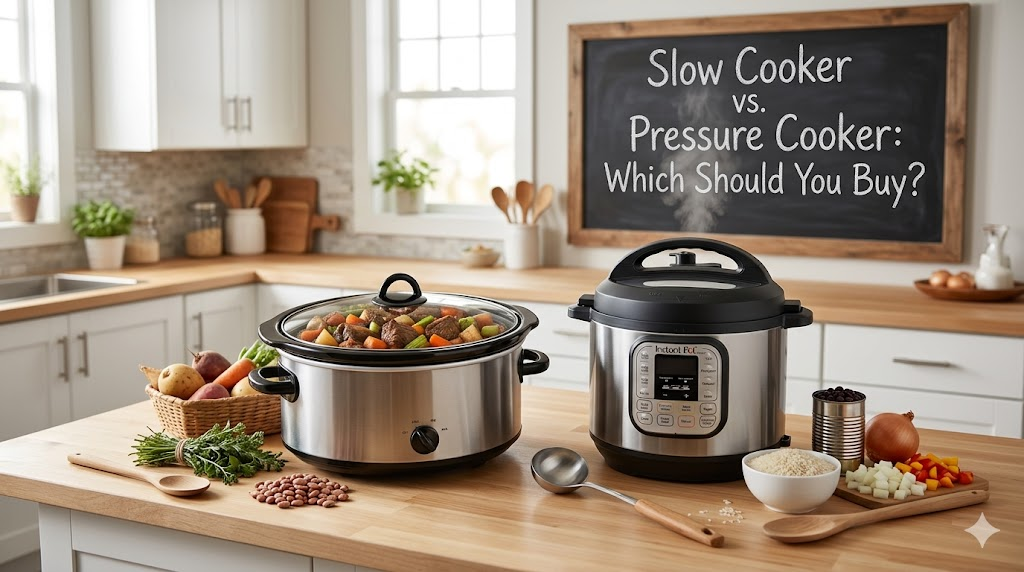
    Slow Cooker vs. Pressure Cooker: Which Should You Buy?

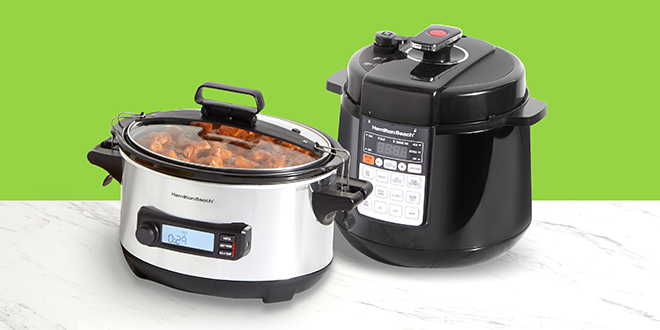
    Soups, stews, curries, and melt-in-the-mouth meats: both pressure cookers and slow cookers handle these cozy classics brilliantly. However, the way each appliance goes about cooking them is vastly different, meaning their benefits and drawbacks will cater to entirely different lifestyles.

    If you are wondering whether to add a slow cooker or a pressure cooker to your kitchen counter, here is a comprehensive breakdown of how these clever gadgets work, what they offer, and which one truly suits your daily routine.

    The Main Differences: Time vs. Planning

    The biggest difference between a slow cooker and a pressure cooker comes down to speed.

    While slow cookers use a gentle, low heat to simmer ingredients to perfection over several hours, pressure cookers seal the interior tightly under high pressure, trapping steam to whip up dinner incredibly rapidly.

    “The difference between the two types of cooker is mainly the time you have to spare,” explains Kathryn Farrell, buyer for Lakeland. “A pressure cooker can be up to 90% faster than cooking with a pan on the hob.”

    • The Slow Cooker Lifestyle: Requires you to plan your dishes in advance. You must be organized enough to prep your ingredients in the morning, but it provides the ultimate convenience of arriving home from work to a hot meal that is completely ready to eat.
    • The Pressure Cooker Lifestyle: Requires very little planning. It offers the convenience of deciding what you want for dinner at 5:00 PM and having it fully cooked, tender, and on the table by 5:45 PM.

    Slow Cooker Pros and Cons

    Pros:

    • True Hands-Free Cooking: Slow cookers are the masters of the ‘set and forget’ method. Pop in your ingredients, set the heat, and walk away for 8 hours.
    • Enhanced Flavors: As ingredients heat for hours, there is ample time for rich flavors to mingle, producing incredibly tasty results.
    • Energy Efficient: They use very low wattage, making them highly economical to run all day.

    Cons:

    • Requires Advance Planning: You have to start dinner right after breakfast.
    • Advance Prep Work: If your recipe includes meat or onions, you usually have to brown them in a separate pan on the hob before adding them to the slow cooker (unless your model features a sauté function).
    • Mushy Textures: Certain vegetables can become overly soft and mushy if left in the pot for too long.

    Pressure Cooker Pros and Cons

    Pros:

    • Lightning Fast: They produce tender meat, perfectly cooked pulses, and hearty stews in a fraction of the time.
    • Locks in Nutrients: “The shorter cooking time and sealed environment help to preserve vitamins and minerals that can be lost through prolonged cooking,” reveals Sarah Farquharson from Instant Pot.
    • Versatile: Most modern electric pressure cookers (often called multicookers) can also sauté, steam, and even make yogurt.

    Cons:

    • Steeper Learning Curve: Pressure cookers are less ‘set and forget.’ They require you to understand pressure release valves and specific liquid ratios.
    • More Expensive: While a basic slow cooker is very cheap, a quality electric pressure cooker is a larger upfront investment.

    Head-to-Head Comparison

    FeatureSlow CookerPressure Cooker
    Cooking SpeedVery Slow (4 to 8 hours)Very Fast (15 to 45 minutes)
    Best ForLarge families, batch cooking, stews.Busy professionals, last-minute meals, risotto.
    Hands-On TimeHigh at the start (morning prep).Medium (requires some monitoring).
    Price Range£30 – £200£60 – £200+

    Which is Best For You?

    Buy a Pressure Cooker if: You have a busy lifestyle with zero time for morning food prep before dashing out the door. If you want the ability to make hearty, comforting meals from scratch after you get home from work, a pressure cooker is your best friend.

    Buy a Slow Cooker if: You are cooking for a large family and everyone eats at different times. Slow cookers are ideal for batch cooking on weekends and keeping food warm safely for hours on end.

    The Ultimate Compromise: The Multicooker

    What if you cannot decide? If you want the convenience of arriving home to a slow-cooked stew on a Tuesday, but need to pressure-cook a fast batch of rice on a Wednesday, invest in a hybrid multicooker (like the Ninja Foodi or Instant Pot).

    A multicooker saves on both space and cost, offering a massive range of techniques in a single, versatile appliance, giving you the luxury of both time-saving speed and slow-cooked comfort!

  • Blenders vs. Food Processors: Which is Right for Your Kitchen?

    Blenders vs. Food Processors: Which is Right for Your Kitchen?

    If you enjoy getting creative in the kitchen, you might be looking for a new appliance to take your culinary flair to the next level. However, choosing between a food processor and a blender can be rather confusing, with many people mistakenly believing that they offer the exact same qualities and functions.

    To help you make the right investment, we consulted kitchen appliance experts to expose the strengths and weaknesses of each gadget. Whether you are hunting for the best blender for morning smoothies or a processor to make weekly meal prep a breeze, here is everything you need to know.

    What Can a Blender Do That a Food Processor Can’t?

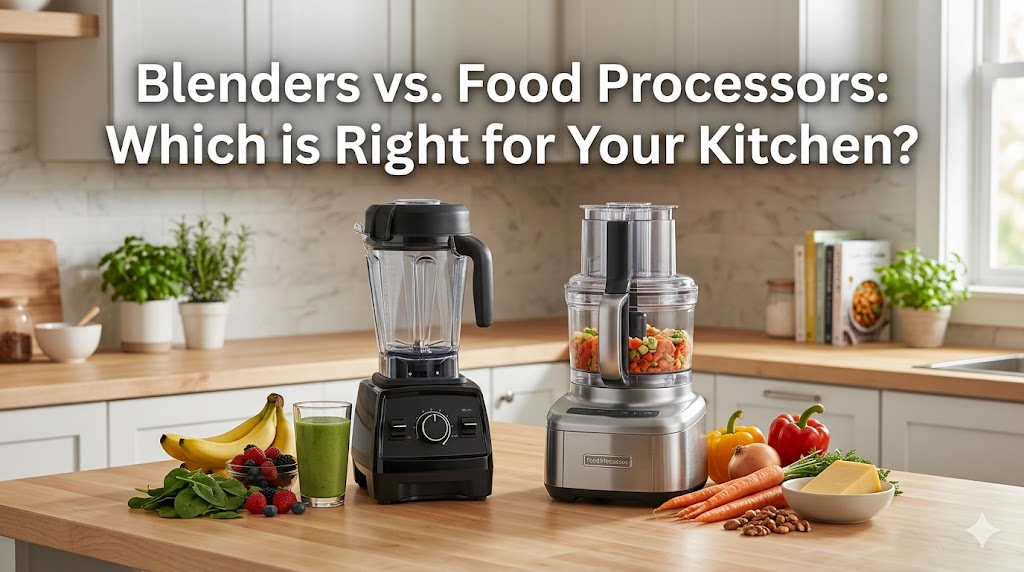
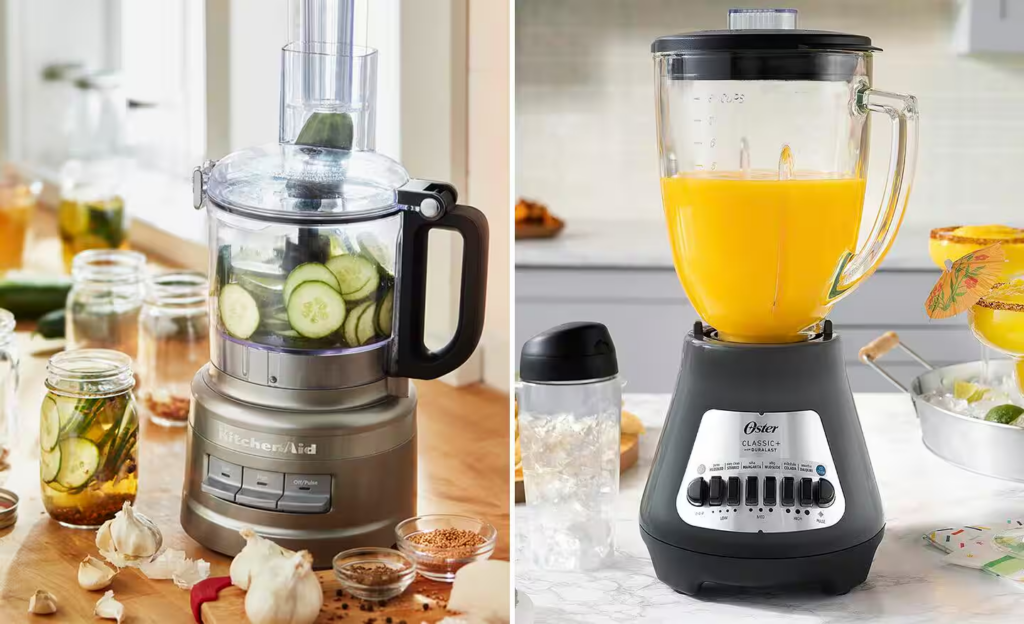
    Thanks to the design of its tall jug and upward-facing blades, a blender can easily transform ingredients into smoothies, drinks, dips, soups, and sauces.

    “Blenders, in general, can produce a smoother consistency more quickly for low viscosity liquids,” explains Stephen Catherall, UK sales manager at Magimix. “This is great for things like smoothies with harder and tougher ingredients and silky-smooth soups.”

    Furthermore, many high-powered blenders can effortlessly crush ice, making them the perfect tool for finishing off summer cocktails or frozen drinks.

    What Can a Food Processor Do That a Blender Can’t?

    Due to the rounder, wider bowl and S-shaped blade, a food processor is built to tackle ingredients in a completely different way.

    “Any food that you would consider cutting with a knife on a chopping board will produce better results in a food processor than in a blender,” says Stephen. “Think chopping herbs, onions, carrots, garlic, celery, or nuts.” Even meat can be chopped easily in a food processor as it doesn’t get stuck under the blades.

    Food processors excel at:

    • Grating & Slicing: Perfect for shredding cheese, carrots, beetroot, or slicing courgettes into ribbons for quick, tasty salads.
    • Kneading Dough: Food processors knead dough successfully, whereas blender blades spin far too fast for effective dough kneading.
    • Dicing & Whisking: Many processors come with specialized attachments to help you achieve professional-level food prep.

    Pros and Cons: The Head-to-Head Comparison

    The Food Processor

    “Food processors offer fantastic multifunctionality in the kitchen and can help you produce a wide variety of dishes,” explains Steven Carter-Bailey, food expert at ProCook. “They are better at producing coarse or fine consistencies, as well as everything in between—you have more control than with a blender.”

    • Pros: Highly versatile, great for solid foods, multiple attachments for slicing/grating, speeds up meal prep.
    • Cons: Often large and bulky to store, can be fiddly to clean, and some models produce quite a lot of noise.

    The Blender

    “One advantage of a blender is that it has a smaller footprint, so it can sit neatly in one area of the kitchen worktop,” notes Steven. “Blenders are also quick and easy to clean, with the jug often being dishwasher safe.”

    • Pros: Quick and easy to use, perfect for silky smooth liquids, compact footprint, great for crushing ice.
    • Cons: Blades are not as sharp (making them less effective for thick/dry ingredients), and the design can lead to blockages if there isn’t enough liquid in the jug.

    How Much Should You Spend?

    • Blenders: Prices start around £29.99 for personal, on-the-go bullet models and can increase to £600 for robust, professional-grade jug styles.
    • Food Processors: Budget solutions start around £74.99, with prices ranging up to £800+ for expert models featuring a massive host of attachments and large capacities.

    Generally, blenders are more affordable. However, if your main goal is cutting down on daily food preparation and chopping time, a food processor is a highly justifiable purchase.

    Which One is Best For You?

    The right choice comes down entirely to your cooking habits:

    • Choose a Blender if: You frequently prepare your own sauces, purees, and smoothies. If you love healthy beverages on the go or need to crush ice, a blender is the perfect addition to your kitchen. Expert Pick: Salter NutriPro for compact power, or the Salter PowerPro for large batch blending.
    • Choose a Food Processor if: You want to conquer diverse cooking tasks like chopping, slicing, shredding, and baking. It is the undisputed champion for home bakers, busy families, and budding kitchen connoisseurs. Expert Pick: The Magimix 4200XL (for average families) or 5200XL (for large crowds).
  • French Press vs. Coffee Maker: Which Is the Right Choice for Me?

    French Press vs. Coffee Maker: Which Is the Right Choice for Me?

    When it comes to brewing the perfect cup of coffee, there is no one-size-fits-all solution; it all comes down to your personal taste and your daily lifestyle.

    If you have a chaotic morning routine and need your caffeine fix seamlessly with minimal effort, an automatic coffee maker will be a lifesaver. However, if you prefer a slower pace, want to hone your barista skills, and crave a bolder flavor profile, the traditional French press (or cafetière) might be exactly what you need.

    Here is a comprehensive breakdown of the cost, convenience, and flavor of both brewing methods to help you find the perfect match for your kitchen.

    The French Press: For the Coffee Purist

    A French press creates coffee by steeping coarse coffee grounds in nearly boiling water, followed by pressing a metal mesh filter down to separate the grounds from the liquid.

    The Pros:

    • Richer Flavor: Because it doesn’t use a paper filter, a French press allows the coffee’s natural oils to remain in your cup, resulting in a robust, full-bodied flavor.
    • Highly Customizable: You have complete control over the steeping time and the coffee-to-water ratio.
    • Eco-Friendly & Affordable: There is zero waste (no plastic pods or paper filters), and high-quality glass or stainless steel presses can easily be found for under £30.
    • Batch Brewing: A standard French press makes around four cups at once, perfect for entertaining or fueling up for a long morning.
    • Space-Saving: It is compact and easily stored in a kitchen cupboard.

    The Cons:

    • More Effort: It requires boiling water separately, timing the steep, and manually plunging.
    • Sediment: The metal mesh filter allows some micro-grounds (sediment) to slip through, which some coffee drinkers find gritty.
    • Cleanup: Scooping out wet grounds and washing the plunger is more tedious than tossing a pod.

    The Coffee Maker: For the Busy Bee

    Whether you choose a convenient pod-based model (like Nespresso) or a fully automatic espresso machine, these appliances use high-pressure steam and hot water to brew your drink at the touch of a button.

    The Pros:

    • Ultimate Convenience: Insert a pod or press a button, and you have coffee in under a minute. Perfect for fast-paced mornings.
    • Consistency: Automatic machines deliver the exact same shot of coffee time after time.
    • Drink Variety: Many machines can create espressos, cappuccinos, lattes, and flat whites with built-in milk frothers.
    • Easy Cleanup: Pod machines require almost zero daily cleanup, while automatic bean-to-cup machines often have self-cleaning cycles.

    The Cons:

    • Higher Price Tag: Quality coffee machines require a significant upfront investment (often ranging from £100 to over £300+).
    • Ongoing Costs & Waste: Buying proprietary coffee pods is expensive and creates a substantial amount of environmental waste compared to buying bags of coffee beans.
    • Counter Space: Espresso machines are bulky and require dedicated countertop real estate.

    Head-to-Head Comparison

    FeatureFrench PressCoffee Maker (Pod/Auto)
    Brew Time4–5 MinutesUnder 1 Minute
    Flavor ProfileBold, heavy, full-bodiedClean, consistent, varied
    Upfront CostLow (Under £50)High (£100 – £300+)
    Eco-FriendlyYes (Zero waste)No (Pod waste)
    Kitchen SpaceMinimalRequires dedicated counter space

    Expert Tips for the Perfect Brew

    Whichever method you choose, technique matters. Here is how the pros get the most out of their morning brew:

    Mastering the French Press

    • The Golden Ratio: David Cutler, Head of Training at Lavazza, recommends a 1:16 coffee-to-water ratio (about 15 grams of medium-to-coarse ground coffee per 250ml of water).
    • Watch the Temperature: “The biggest tip is to not fully boil the kettle, as you will scorch the flavour out of your coffee,” warns Ben Fishlock from SOroast. Aim for about 91°C—just as the kettle starts making a bit of noise—and brew for exactly four minutes.

    Mastering the Coffee Machine

    • Dial in the Grind: If you are using a manual or semi-automatic espresso machine, precision is key. Espresso should brew in about 20–30 seconds. If your coffee pours out too fast, your grind is too coarse; if it drips out too slowly, your grind is too fine.

    The Final Verdict

    If you are a minimalist who prefers simplicity, wants to save money, and enjoys the relaxing ritual of brewing a bold cup of coffee, the French press is your best bet.

    However, if you live a fast-paced life, want a wide variety of café-style drinks (like lattes and cappuccinos), and prioritize speed and convenience above all else, investing in an automatic coffee maker will be the perfect addition to your kitchen.