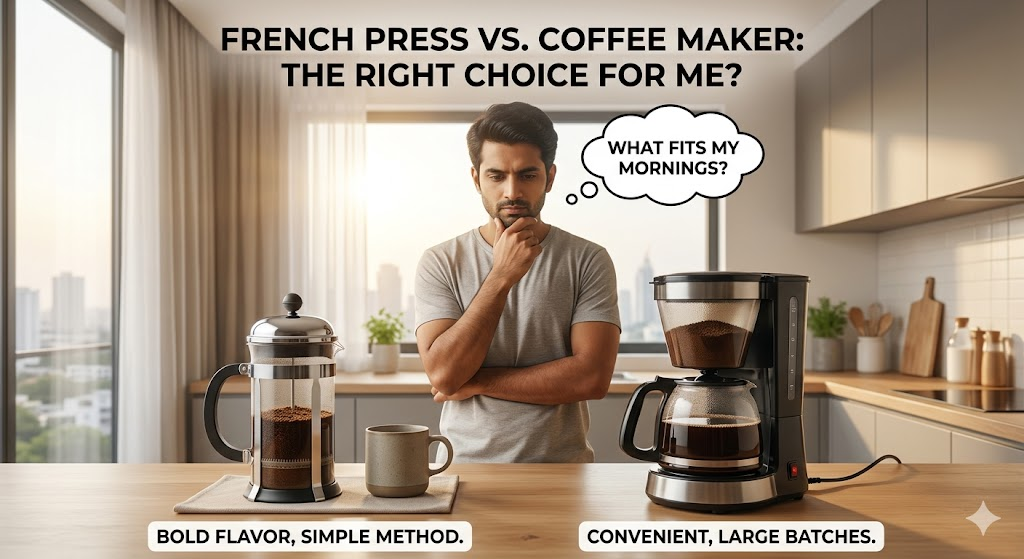
When it comes to brewing the perfect cup of coffee, there is no one-size-fits-all solution; it all comes down to your personal taste and your daily lifestyle.
If you have a chaotic morning routine and need your caffeine fix seamlessly with minimal effort, an automatic coffee maker will be a lifesaver. However, if you prefer a slower pace, want to hone your barista skills, and crave a bolder flavor profile, the traditional French press (or cafetière) might be exactly what you need.
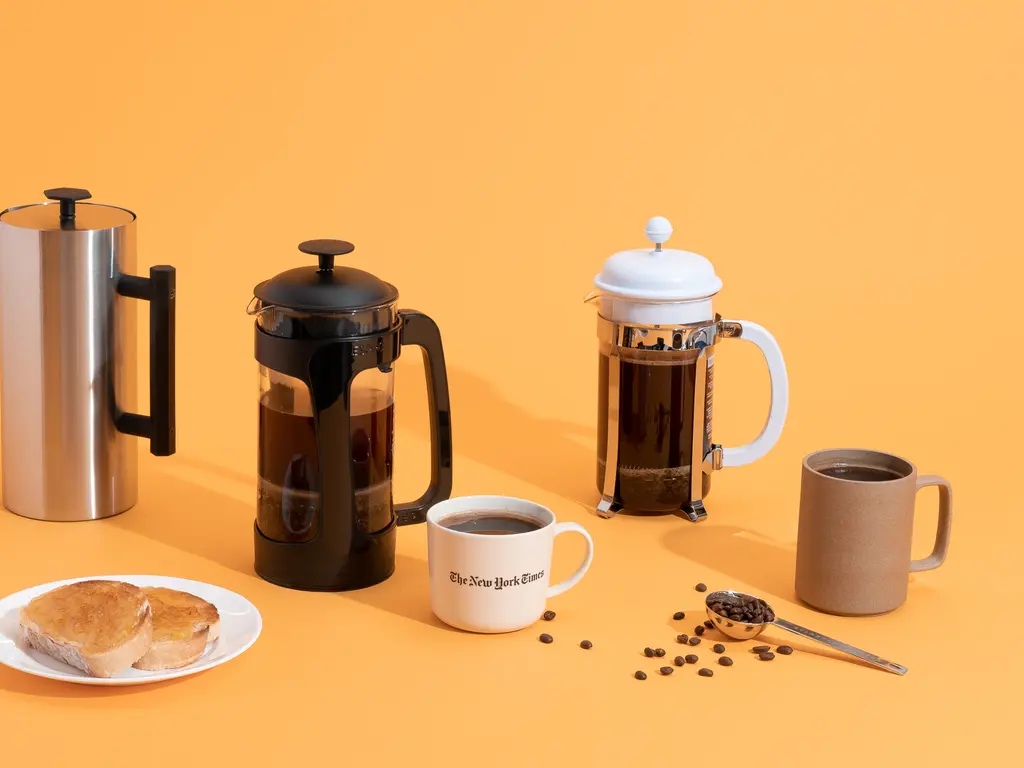
Here is a comprehensive breakdown of the cost, convenience, and flavor of both brewing methods to help you find the perfect match for your kitchen.
The French Press: For the Coffee Purist
A French press creates coffee by steeping coarse coffee grounds in nearly boiling water, followed by pressing a metal mesh filter down to separate the grounds from the liquid.
The Pros:
- Richer Flavor: Because it doesn’t use a paper filter, a French press allows the coffee’s natural oils to remain in your cup, resulting in a robust, full-bodied flavor.
- Highly Customizable: You have complete control over the steeping time and the coffee-to-water ratio.
- Eco-Friendly & Affordable: There is zero waste (no plastic pods or paper filters), and high-quality glass or stainless steel presses can easily be found for under £30.
- Batch Brewing: A standard French press makes around four cups at once, perfect for entertaining or fueling up for a long morning.
- Space-Saving: It is compact and easily stored in a kitchen cupboard.
The Cons:
- More Effort: It requires boiling water separately, timing the steep, and manually plunging.
- Sediment: The metal mesh filter allows some micro-grounds (sediment) to slip through, which some coffee drinkers find gritty.
- Cleanup: Scooping out wet grounds and washing the plunger is more tedious than tossing a pod.
The Coffee Maker: For the Busy Bee
Whether you choose a convenient pod-based model (like Nespresso) or a fully automatic espresso machine, these appliances use high-pressure steam and hot water to brew your drink at the touch of a button.
The Pros:
- Ultimate Convenience: Insert a pod or press a button, and you have coffee in under a minute. Perfect for fast-paced mornings.
- Consistency: Automatic machines deliver the exact same shot of coffee time after time.
- Drink Variety: Many machines can create espressos, cappuccinos, lattes, and flat whites with built-in milk frothers.
- Easy Cleanup: Pod machines require almost zero daily cleanup, while automatic bean-to-cup machines often have self-cleaning cycles.
The Cons:
- Higher Price Tag: Quality coffee machines require a significant upfront investment (often ranging from £100 to over £300+).
- Ongoing Costs & Waste: Buying proprietary coffee pods is expensive and creates a substantial amount of environmental waste compared to buying bags of coffee beans.
- Counter Space: Espresso machines are bulky and require dedicated countertop real estate.
Head-to-Head Comparison
| Feature | French Press | Coffee Maker (Pod/Auto) |
| Brew Time | 4–5 Minutes | Under 1 Minute |
| Flavor Profile | Bold, heavy, full-bodied | Clean, consistent, varied |
| Upfront Cost | Low (Under £50) | High (£100 – £300+) |
| Eco-Friendly | Yes (Zero waste) | No (Pod waste) |
| Kitchen Space | Minimal | Requires dedicated counter space |
Expert Tips for the Perfect Brew
Whichever method you choose, technique matters. Here is how the pros get the most out of their morning brew:
Mastering the French Press
- The Golden Ratio: David Cutler, Head of Training at Lavazza, recommends a 1:16 coffee-to-water ratio (about 15 grams of medium-to-coarse ground coffee per 250ml of water).
- Watch the Temperature: “The biggest tip is to not fully boil the kettle, as you will scorch the flavour out of your coffee,” warns Ben Fishlock from SOroast. Aim for about 91°C—just as the kettle starts making a bit of noise—and brew for exactly four minutes.
Mastering the Coffee Machine
- Dial in the Grind: If you are using a manual or semi-automatic espresso machine, precision is key. Espresso should brew in about 20–30 seconds. If your coffee pours out too fast, your grind is too coarse; if it drips out too slowly, your grind is too fine.
The Final Verdict
If you are a minimalist who prefers simplicity, wants to save money, and enjoys the relaxing ritual of brewing a bold cup of coffee, the French press is your best bet.
However, if you live a fast-paced life, want a wide variety of café-style drinks (like lattes and cappuccinos), and prioritize speed and convenience above all else, investing in an automatic coffee maker will be the perfect addition to your kitchen.