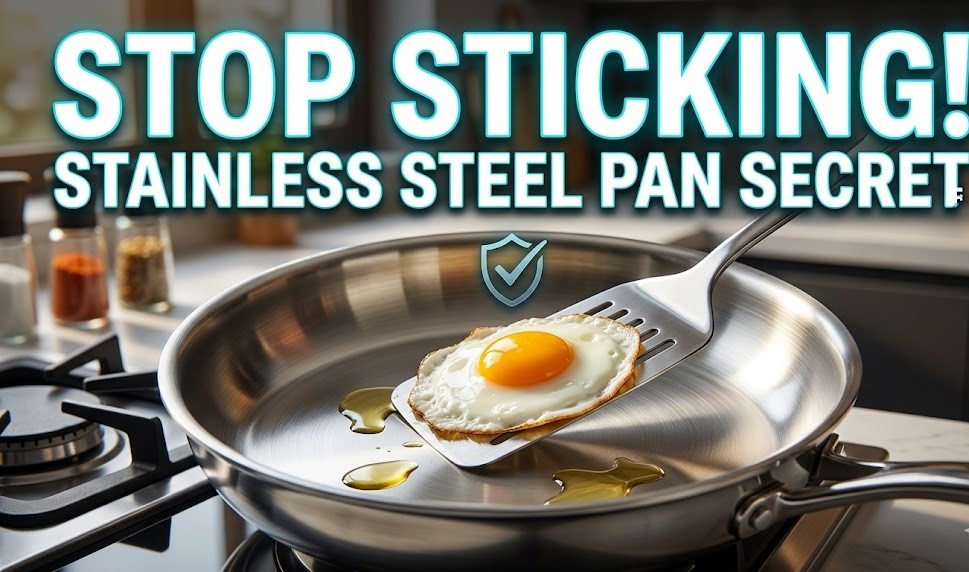
Stainless steel cookware is the workhorse of the modern Indian kitchen. It is celebrated for being durable, toxin-free, and capable of achieving the perfect sear. However, the most common hurdle for home cooks is the dreaded “sticking” factor. Whether it’s torn paneer or stubborn egg residue, sticking usually happens because of physics, not a faulty pan.
Understanding the relationship between metal, heat, and moisture allows you to transform your stainless steel into a naturally slippery surface that rivals non-stick.
The Science of Sticking: Why It Happens
At a microscopic level, stainless steel is not perfectly flat; it contains tiny “pores.” When a pan is cold or improperly heated, food particles settle into these pores. As the pan heats up, the metal expands and “grabs” the food, leading to sticking and tearing. To prevent this, you must create a thermal barrier that allows the food to glide.
The “Water Test”: The Leidenfrost Effect
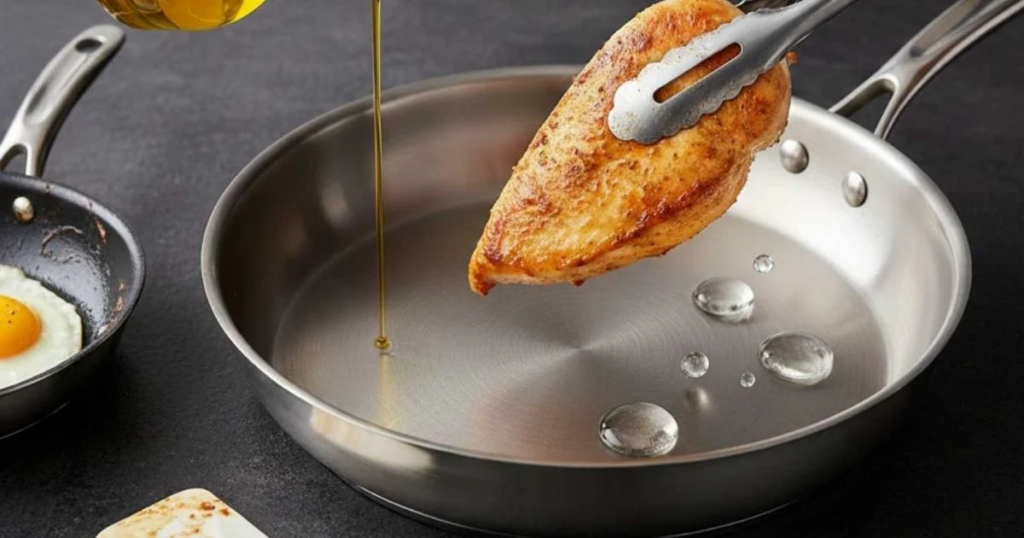
Before adding a single drop of oil, you must ensure your pan has reached the correct temperature. Chefs use a simple technique known as the Leidenfrost Effect.
- Heat the dry pan on medium for 1–2 minutes.
- Flick a few drops of water onto the surface.
- The Result: * If the water sizzles and evaporates, the pan is too cold.
- If the water forms a single, cohesive ball that “dances” or glides across the surface, the pan is perfectly heated.
- Now, add your oil.
Summary: Professional Tips for Stick-Free Cooking
| Rule | Action | Why It Works |
| Heat Control | Preheat to “Medium” | Prevents the metal from “grabbing” the food. |
| Moisture | Pat food dry with a towel | Moisture causes steaming, which leads to sticking. |
| Oil Timing | Add oil to a hot pan | Hot oil spreads evenly and fills the microscopic pores. |
| The Flip | Do not move food too early | Food naturally “releases” once a proper sear is formed. |
| Cleanup | Deglaze while the pan is hot | Water or stock lifts “fond” (flavorful bits) easily. |
Professional Insights: Safety & Performance
To maximize your kitchen efficiency and health, follow these expert guidelines:
- Thermal Stability: Stainless steel doesn’t have a chemical coating that can flake off. The FDA notes that high-quality stainless steel (like 304 or 316 grade) is one of the safest materials for high-heat cooking as it is non-reactive.
- Avoid “Over-Heating”: While the water test is vital, do not let the pan get so hot that the oil smokes. The Mayo Clinic explains that heating oil past its “smoke point” can create harmful free radicals and bitter flavors.
- Ergonomics & Weight: High-quality tri-ply stainless steel (like Meyer Select) can be heavy. Use the “helper handle” when transferring hot liquids to avoid wrist strain, as suggested by the American Chiropractic Association.
Conclusion
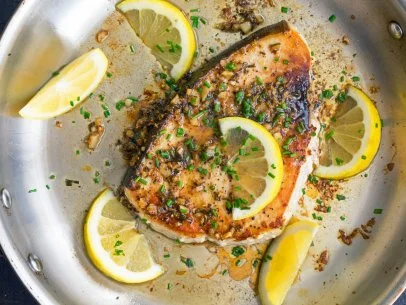
Mastering stainless steel is a rite of passage for any serious cook. By moving away from the “cold pan, cold oil” habit and embracing the Leidenfrost water test, you unlock the ability to sear, sauté, and deglaze like a professional. Stainless steel rewarded with proper technique will provide a lifetime of safe, toxin-free, and flavorful cooking.