Author: Hawk

  • Built-in vs. Countertop Microwave Systems

    Built-in vs. Countertop Microwave Systems

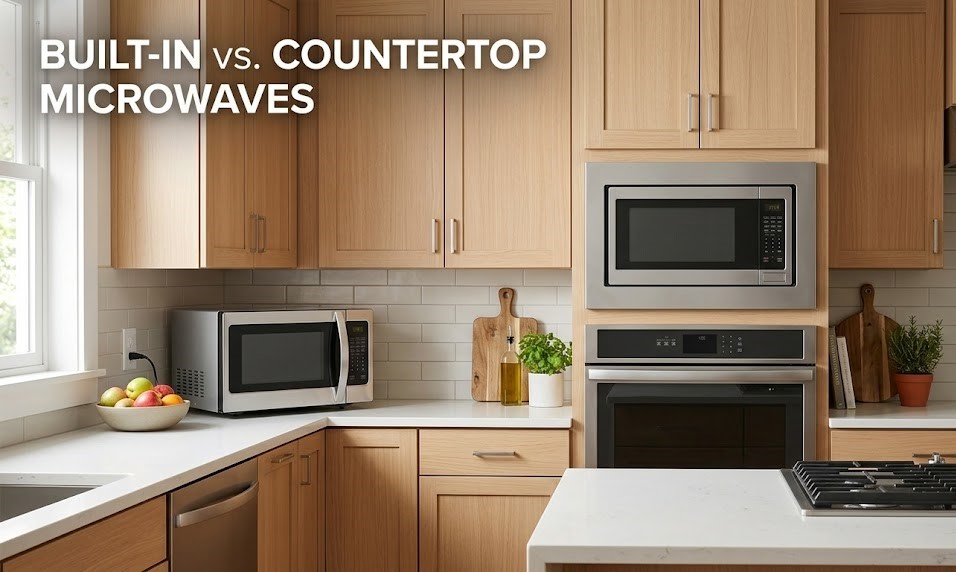
    In the modern residential architecture and Kitchen design sectors of 2026, the microwave has transitioned from a mere reheating tool to a primary cooking station. As homeowners move toward minimalist, “invisible” kitchens, the debate between built-in and countertop microwave systems has become a central strategic choice in kitchen procurement. Deciding between a freestanding unit and a cabinetry-integrated model requires a deep analysis of kitchen ergonomics, capital expenditure, and the long-term utility of the workspace. This intelligence brief deconstructs the technical mechanics, economic trade-offs, and structural limitations of both deployment strategies.
    Technical Mechanics: Deployment and Installation

    While both architectures perform identical heating functions, their integration into the domestic infrastructure represents two distinct engineering approaches.

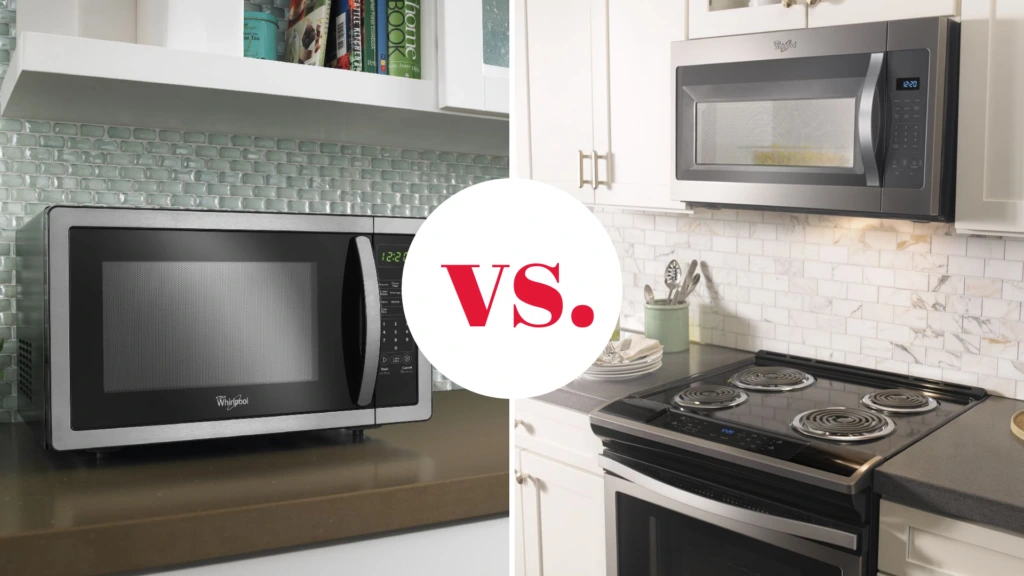
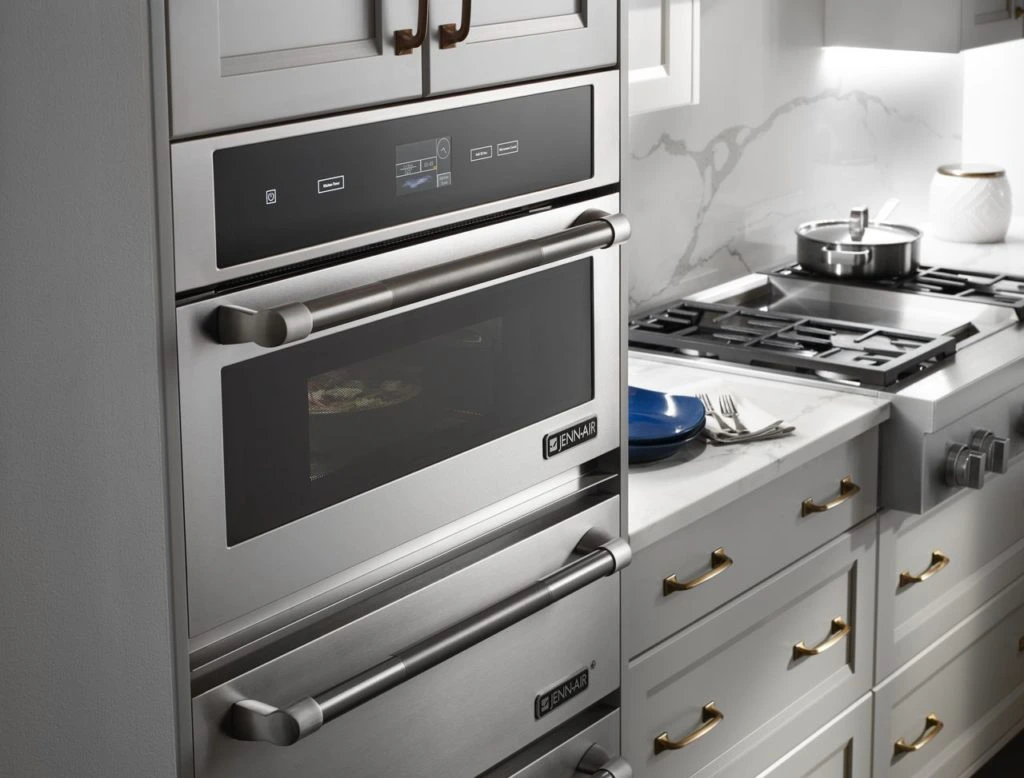
    • Built-in Microwaves (Integrated Deployment): These units are engineered to be installed directly into kitchen cabinetry or wall units, often at eye level to optimize ergonomics. They frequently include specialized ventilation systems and “trim kits” to create a flush, seamless appearance. Advanced models also exist as Microwave drawers, which slide out from lower cabinets to provide easier access for heavy ceramic or glass dishes.
    • Countertop Microwaves (Freestanding Deployment): These are autonomous appliances designed for placement on any flat horizontal surface with an electrical outlet. They rely on “plug-and-play” logistics, requiring zero professional installation or structural modifications to the kitchen.
    • Ventilation and Power Dynamics: Built-in units often require dedicated ventilation channels behind the cabinetry to dissipate heat, whereas countertop models utilize integrated fans that exhaust directly into the room.

    Economic Impact and Procurement Logistics

    From a financial perspective, the choice between these two systems is a balance between low-cost flexibility and high-value property investment.

    • Capital Expenditure (CAPEX): Countertop microwaves represent a minor operational cost, typically ranging from ₹5,000 to ₹18,000 for high-performance convection models. Built-in units are high-CAPEX assets, often starting at ₹35,000 and exceeding ₹1,00,000 for premium European brands.
    • Installation and Maintenance: Built-in systems require professional measurements, custom cabinetry, and specialized labor, significantly increasing the “True Cost of Ownership.” In the event of a mechanical failure, replacing a built-in unit involves complex extraction and often requires sourcing an identical chassis size to fit the existing cabinet cavity.

    Structural Vulnerabilities and Strategic Limitations

    Despite their functional parity, both systems introduce specific operational friction into the kitchen environment.

    • Countertop Clutter: Freestanding units consume valuable “horizontal real estate,” which can cripple workflow in high-density urban apartments. Every square inch occupied by a microwave is space lost for food preparation or secondary appliances.
    • Serviceability Bottlenecks: Built-in microwaves are notoriously difficult to service. Accessing the internal circuitry or the high-voltage Magnetron often requires complete removal of the unit and the surrounding trim, resulting in higher repair labor costs.
    • The Mobility Constraint: For individuals in the rental market, built-in units are a “lost asset,” as they cannot be moved to a new location. Countertop models provide the logistical freedom to reconfigure the kitchen layout as user needs evolve.
    Conclusion

    The strategic verdict for 2026 is based entirely on the kitchen’s architectural lifecycle. Choose a Built-in Microwave if you are executing a comprehensive kitchen renovation and prioritize a sleek, “invisible” aesthetic that maximizes counter space and property value. Choose a Countertop Microwave if you are a renter, a budget-conscious homeowner, or a high-frequency user who values the ease of replacement and maintenance. While built-in units signify a “premium” kitchen, the countertop model remains the definitive operational winner for flexibility and capital efficiency.
  • Kitchen Drawers vs. Pull-Out Shelves: Cabinetry Optimization

    Kitchen Drawers vs. Pull-Out Shelves: Cabinetry Optimization

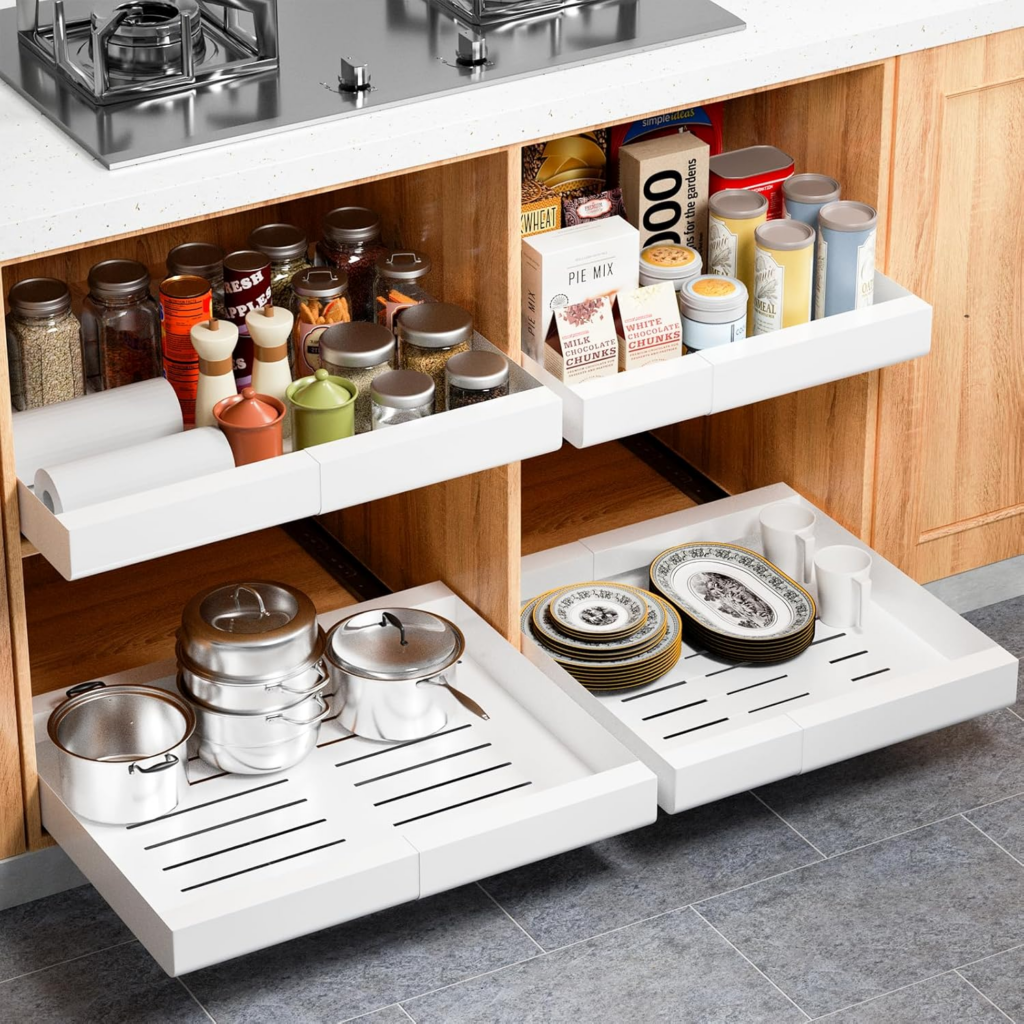
    In the modern kitchen design and Residential construction sectors of 2026, the transition from static shelving to dynamic storage solutions is a mandatory operational upgrade. The choice between integrated kitchen drawers and retrofit pull-out shelves is a critical decision that impacts ergonomic efficiency, storage volume, and long-term property value. This intelligence brief deconstructs the technical mechanics, economic trade-offs, and structural limitations of these two primary cabinetry architectures.

    Historical Context: The Shift to Dynamic Storage

    Traditionally, kitchen cabinets relied on fixed shelving, which required high physical effort and “rummaging” to access items at the rear. The evolution toward Universal Design has prioritized accessibility, leading to the rise of pull-out mechanisms. While drawers were once reserved for cutlery, the development of heavy-duty Dovetail joint construction and soft-close glides has made them the preferred choice for primary cookware storage.

    Technical Mechanics: Operational Logic and Ergonomics

    The primary difference between these systems lies in the access protocol and the flexibility of the vertical space.

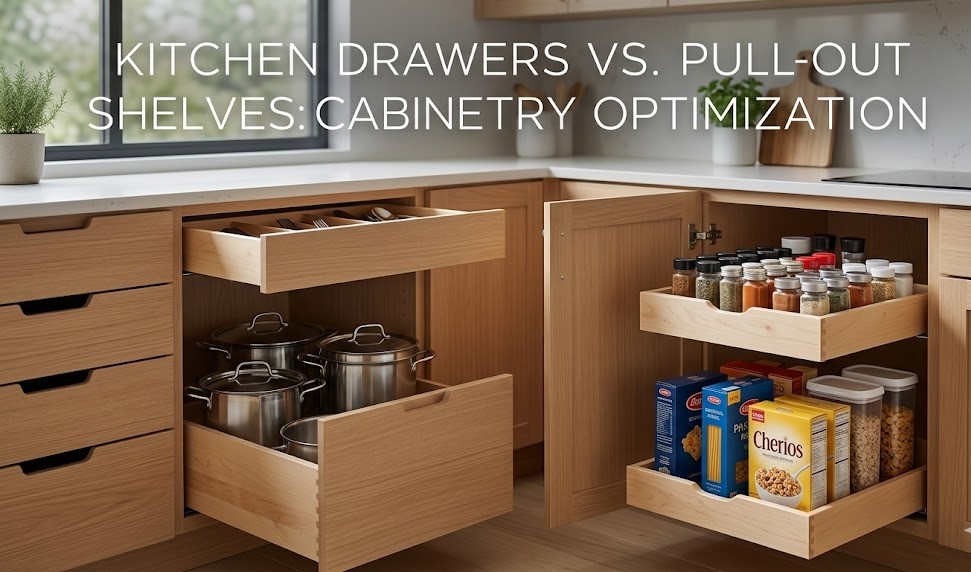
    • Kitchen Drawers (Single-Step Access): Drawers operate on a single-motion protocol. Pulling the drawer face exposes the entire contents at once. This is highly efficient for high-frequency cooking environments. They excel at organizing smaller utensils through the use of customizable dividers and integrated slots.
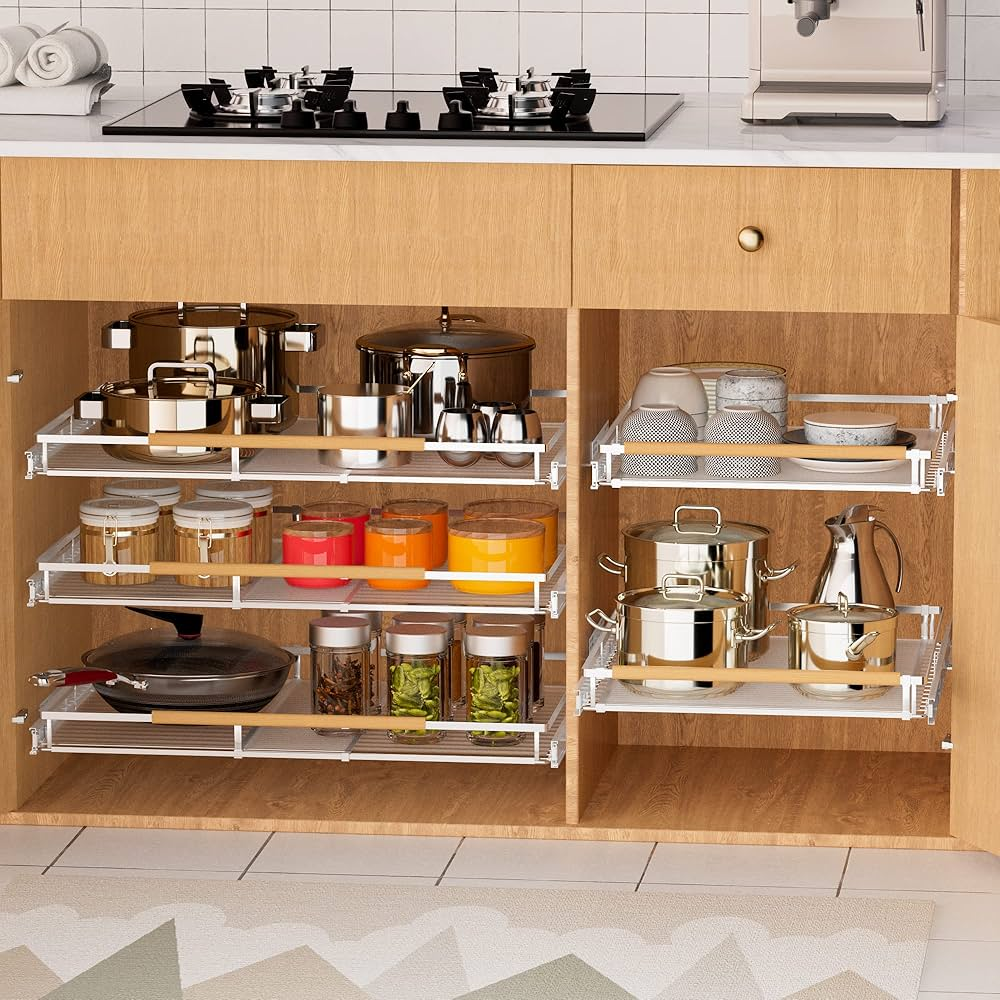
    • Pull-Out Shelves (Two-Step Access): Pull-outs require a two-motion protocol (opening the cabinet door, then pulling the shelf). Their primary technical advantage is height adjustability. Because they are not fixed to the drawer face, they can be moved vertically to accommodate oversized appliances, such as stand mixers or air fryers, which may change over time.
    • Biomechanical Impact: Both systems eliminate the need for “hunkering” or bending to reach deep cabinet corners, significantly reducing lumbar strain and improving accessibility for users with limited mobility.

    Economic Impact and Procurement Logistics

    From a procurement perspective, the decision is often dictated by whether the project is a new installation or a retrofit upgrade.

    • Capital Expenditure (CAPEX): Full kitchen drawers typically represent a higher upfront investment as they require complete cabinet box replacement or specific drawer-base units.
    • Operational Expenditure (OPEX): Pull-out shelves are the more cost-effective retrofit solution. They can be installed into existing standard cabinets without major demolition, making them ideal for budget-conscious upgrades that still desire “luxury” functionality.
    • Lifecycle and Durability: High-quality drawers with solid wood dovetail boxes have a lifecycle of 15–25 years. Pull-out shelves made of Baltic birch or metal offer similar durability, provided the sliding hardware is rated for heavy loads (e.g., 100 lbs).

    Structural Vulnerabilities and Strategic Limitations

    Despite their advantages, both systems introduce specific operational friction that must be accounted for during the design phase.

    • Width Reduction: Pull-out shelves typically reduce the usable interior width of a cabinet by approximately 5 inches to accommodate the mounting brackets and gliding hardware.
    • Visibility and Clutter: Drawers, while sleek when closed, can lead to visual clutter if they are not equipped with internal organization systems. They also offer less visibility of tall items compared to open-front pull-out shelves.
    • Weight Constraints: While heavy-duty glides exist, overloading a drawer or pull-out shelf can cause hardware fatigue or sagging, leading to mechanical failure of the soft-close mechanism over time.

    Conclusion

    The strategic verdict for 2026 is that integrated drawers are the superior choice for new kitchen builds due to their single-step efficiency and sleek appearance. However, pull-out shelves remain the definitive operational winner for homeowners looking to modernize existing cabinetry without the capital intensity of a full renovation. For optimal efficiency, a hybrid approach—using deep drawers for heavy pots and adjustable pull-outs for bulky appliances—provides the highest return on investment.

  • Glass vs. Stainless Steel Cookware Lids

    Glass vs. Stainless Steel Cookware Lids

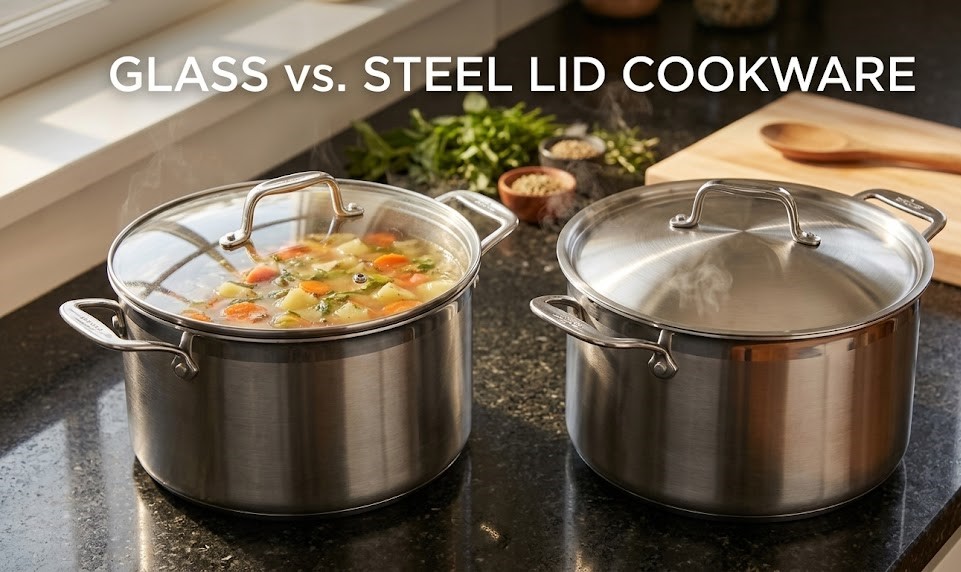
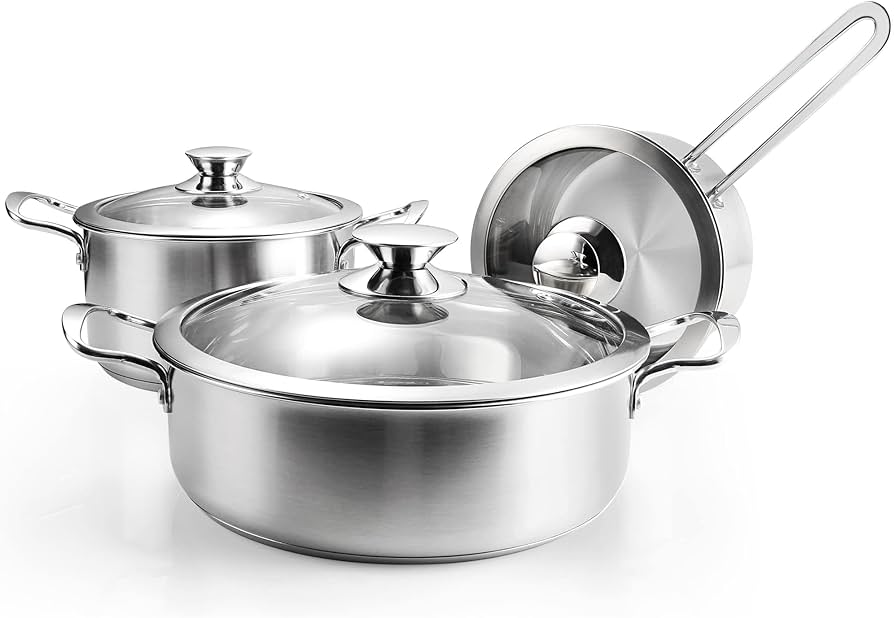
    In the manufacturing and culinary logistics sectors, the architecture of a Cookware lid is not a secondary aesthetic feature; it is a critical thermodynamic seal that dictates cooking efficiency, safety, and operational lifespan. The consumer market is primarily divided between two structural materials: tempered glass and stainless steel. This intelligence brief deconstructs the mechanical properties, heat resistance, safety profiles, and cost-benefit analysis of both lid architectures.

    Technical Mechanics: Tempered Glass Lids

    Glass lids are engineered from Toughened glass (tempered glass), treated by controlled thermal or chemical processes to increase its strength compared to normal glass.

    • Operational Visibility: The primary mechanical advantage is transparency. Operators can visually monitor food rendering, boiling points, and liquid reduction without breaking the thermal seal. Lifting a lid releases trapped heat and steam, which drops the internal temperature and extends cooking times.
    • Structural Vulnerabilities: While tempered glass is highly resistant to thermal shock (rapid temperature changes), it is not immune to physical impact. Dropping a glass lid onto a hard surface carries a risk of shattering. Furthermore, the maximum heat threshold is typically lower than metal, making them less ideal for extreme high-heat oven use.
    • Component Integration: Modern glass lids frequently feature a silicone rim to provide a soft, airtight seal and prevent scratching the non-stick coating of the primary vessel. They also incorporate a small steam vent to regulate internal pressure and prevent boil-overs.

    Technical Mechanics: Stainless Steel Lids

    Stainless steel lids are the traditional, heavy-duty standard in commercial and high-volume domestic kitchens.

    • Absolute Durability: The primary advantage is total physical resilience. Stainless steel will not shatter, crack, or warp under standard operational stress. It is highly resistant to dents and scratches, ensuring a functional lifespan that frequently outlasts the cookware itself.
    • Thermodynamic Superiority: Metal reflects heat back into the cooking vessel more efficiently than glass. Stainless steel lids can withstand extreme oven temperatures (often up to 500°F or higher), making them mandatory for techniques requiring heavy braising, roasting, or transitioning from stovetop to oven.
    • Operational Friction: The core limitation is the lack of visibility. To check the cooking progress, the operator must physically lift the lid, releasing heat and interrupting the cooking cycle.

    Economic Impact and Lifecycle Value

    From a procurement perspective, both architectures offer distinct value propositions based on the user’s operational needs.

    • Glass Economics: Glass lids represent a lower initial Capital expenditure (CAPEX), typically ranging from $10 to $40. Their ability to retain heat by preventing unnecessary lifting translates to minor but cumulative energy savings over time. However, their fragility introduces a higher replacement risk.
    • Stainless Steel Economics: These lids command a higher initial price point ($15 to $60+). However, their near-indestructible nature guarantees a long-term Return on investment (ROI), eliminating the need for future replacements.

    The Universal Deployment Strategy

    To mitigate the clutter of storing dozens of specific lids, manufacturers have introduced “Universal Lids.” These are typically engineered with a tiered silicone base that steps down in diameter, allowing a single lid to form an airtight seal over multiple pot sizes (e.g., covering 10-inch, 11-inch, and 12-inch pans). This is a highly efficient, space-saving logistical solution for modern, compact kitchens.

    Conclusion

    The strategic verdict for 2026 is that lid selection must align with the operator’s primary cooking style. Tempered glass lids are optimal for precision stovetop cooking where visual monitoring is critical (steaming, simmering, pan-frying). Stainless steel lids are the superior asset for heavy-duty operations, high-heat oven cooking, and commercial environments where durability supersedes visibility. For operators seeking maximum efficiency and minimal storage friction, deploying a tiered, universal silicone-and-glass lid offers the highest return on utility.

  • Air Fryers vs. Convection Ovens

    Air Fryers vs. Convection Ovens

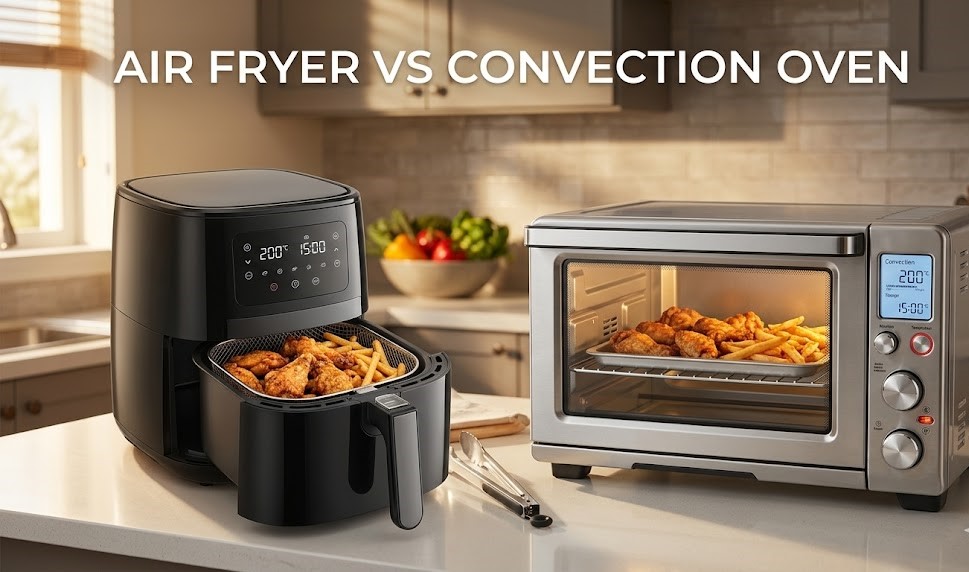
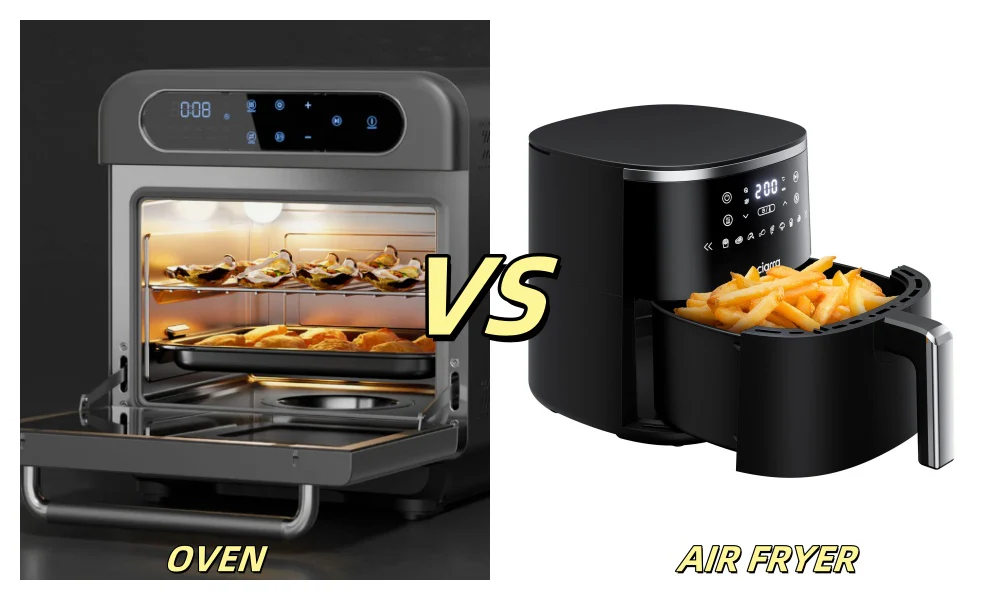
    In the modern domestic kitchen, the demand for low-fat culinary preparation has driven the mass adoption of hot-air cooking technologies. While both Air fryers and Convection ovens operate on similar thermodynamic principles, their structural engineering and intended culinary deployments differ significantly. This intelligence brief deconstructs the mechanical operations, utility trade-offs, and energy economics of both appliances to help operators optimize their kitchen infrastructure.

    Historical Context and Culinary Architecture

    Historically, achieving a crispy exterior on food required Deep frying, a process that fully submerges ingredients in boiling oil, resulting in a high caloric load and heavy fat absorption. The introduction of consumer-grade convection technology aimed to simulate this exact textural outcome using superheated air and minimal lipid application. Today, the market is divided between highly specialized, compact air fryers and broad-utility, large-capacity convection ovens.

    Technical Mechanics: Thermodynamics and Heat Transfer

    While both appliances utilize fans to circulate hot air, the velocity and spatial dynamics vary drastically, altering the culinary outcome.

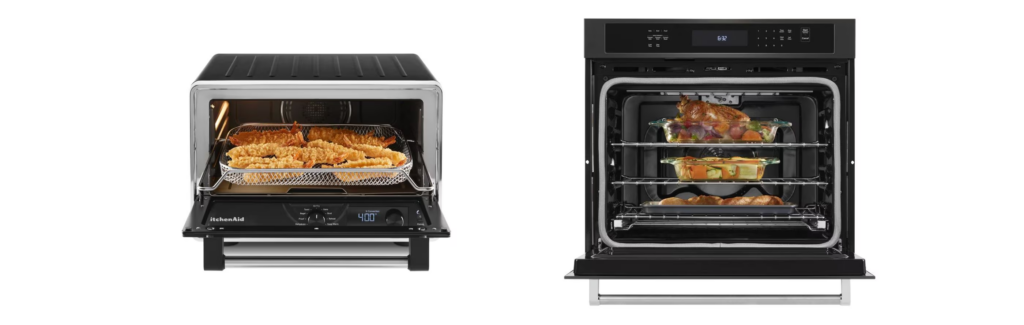
    • The Air Fryer Architecture: An air fryer is essentially a highly compact, turbocharged convection chamber. It features a heating element positioned directly above a perforated basket, paired with a powerful, high-speed fan. This architecture creates a concentrated, aggressive wind tunnel effect. The intense heat transfer rapidly triggers the Maillard reaction, delivering a deeply crispy exterior in minutes with up to 80% less oil than traditional frying.
      • Operational Constraints: The compact size prohibits large-batch cooking. Overcrowding the basket physically blocks the airflow, resulting in soggy, steamed food rather than a crisp finish.
    • The Convection Oven Architecture: This system utilizes a fan and exhaust port located at the back of a standard-sized oven cavity. The fan distributes ambient hot air evenly across multiple racks.
      • Operational Advantages: It eliminates “hot spots” common in conventional ovens, ensuring uniform baking and roasting. Because the airflow is less aggressive than an air fryer, it is vastly superior for delicate operations like baking cakes or roasting large proteins. Operators should generally lower recipe temperatures by 10°C to 20°C when utilizing the convection setting to prevent overcooking.

    Economic Impact and Energy Logistics

    From a domestic utility perspective, the choice between these assets impacts both time efficiency and Energy efficiency (Operational Expenditure).

    • Energy Consumption: Air fryers are significantly more energy-efficient for small-scale operations. Their small internal volume requires zero to minimal preheating (3–5 minutes) and cooks food up to 30% faster than a full-sized oven, drastically reducing electricity draw.
    • Batch Efficiency: Conversely, for a multi-person household, cooking a large meal in an air fryer requires multiple sequential batches, negating the time and energy savings. A convection oven allows the operator to load multiple racks simultaneously, making it the more economically and temporally efficient asset for large-scale meal prep.

    Conclusion

    The strategic verdict is that neither appliance is objectively “healthier” than the other; both successfully eliminate the need for heavy oil submersion. The correct procurement decision depends entirely on the operator’s daily logistics. If your primary objective is rapidly generating crispy, fried-style textures in small batches with minimal energy waste, the air fryer is the optimal tool. If your operations require high-volume capacity, multi-rack baking, and even roasting, the convection oven remains the superior, highly versatile kitchen asset.

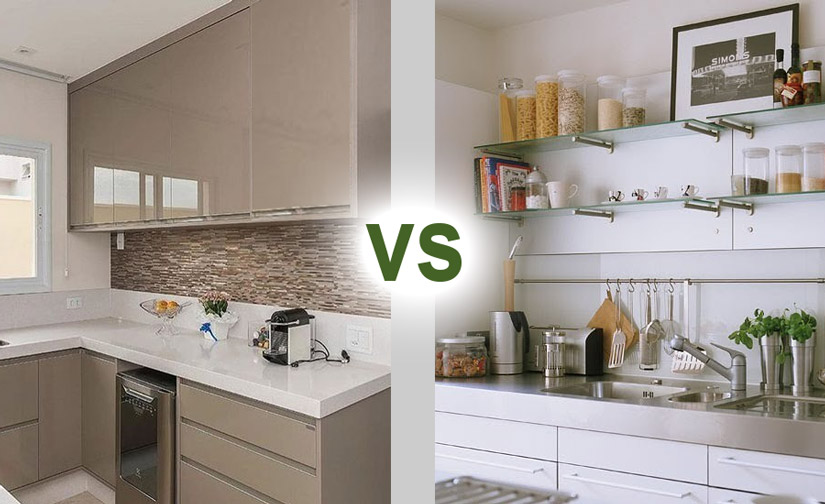
  • Open vs. Closed Shelving

    Open vs. Closed Shelving

    In the domestic logistics and interior architecture sectors of 2026, the kitchen operates as the most high-density, multi-functional zone within a residence. Particularly in environments characterized by high-heat, heavy-spice culinary traditions (such as Indian kitchens), the selection of storage infrastructure directly impacts daily operational efficiency and sanitation. This intelligence brief deconstructs the architectural debate between open shelving and closed cabinetry, analyzing the maintenance liabilities, ergonomic workflows, and material requirements of each system.

    The Open Shelving Architecture (The Display Model)

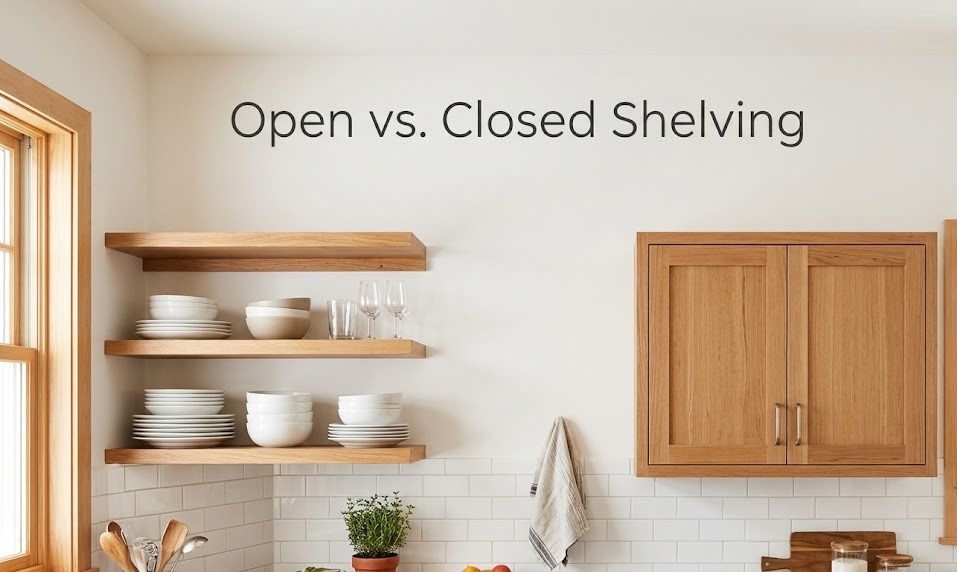
    Open shelving relies on floating platforms and exposed racks to store and display culinary assets.

    • Operational Advantages: This architecture creates a visually expansive, airy environment, which is highly strategic for compact urban apartments. It provides frictionless, immediate access to high-frequency items without the ergonomic barrier of opening and closing doors.
    • Structural Vulnerabilities: The primary liability of open shelving is its severe maintenance requirement. In kitchens utilizing heavy oils, spices, and high-heat cooking, aerosolized grease and dust settle rapidly on exposed surfaces. Furthermore, this model demands absolute organizational discipline; it physically prohibits the concealment of mismatched or visually chaotic storage containers.

    The Closed Cabinet Architecture (The Concealment Model)

    Closed cabinetry utilizes traditional wall-mounted or under-counter frameworks secured by opaque doors or shutters.

    • Operational Advantages: This is the pragmatic, low-maintenance architecture. It effectively seals internal inventory from environmental grease and dust, drastically reducing cleaning protocols. More importantly, it provides a visual shield, allowing for the rapid, disorganized storage of bulky cookware (like pressure cookers) or mismatched bulk containers without degrading the aesthetic integrity of the room.
    • Structural Vulnerabilities: Heavy deployment of closed upper cabinets can make a small kitchen feel visually oppressive or claustrophobic. It also introduces slight mechanical friction into the daily workflow by requiring users to continuously open and close doors to locate items.

    The Hybrid Deployment Strategy

    From a strategic interior design perspective, strict adherence to a binary choice is an operational failure. The most effective 2026 architecture is the “Balanced Middle” or hybrid deployment.

    • Logistical Execution: Designers allocate closed, heavy-duty lower cabinetry for the concealment of large, cumbersome, or unsightly items (pots, pans, bulk staples). Conversely, open shelving is deployed strategically at eye level strictly for highly curated, frequently used items (daily coffee mugs, matching spice decanters, or aesthetic décor). This hybrid model maximizes functional storage volume while maintaining a light, open visual footprint.

    Material Infrastructure and Environmental Resilience

    Regardless of the chosen architecture, the underlying hardware—specifically the structural plywood—must withstand severe environmental stress.

    • Tensile Strength: Open shelving, lacking the structural reinforcement of a closed box frame, requires highly calibrated, superior-strength plywood to prevent warping or structural failure under the weight of heavy ceramics or glass jars.
    • Biological and Chemical Resistance: In humid or tropical environments, the core material must possess industrial-grade termite and borer resistance. Furthermore, as indoor air quality regulations tighten in 2026, the use of zero-emission, eco-friendly finishes is a mandatory health and safety protocol for domestic food preparation zones.

    Conclusion

    The strategic verdict confirms that kitchen storage cannot be dictated solely by aesthetic trends; it must be engineered around the user’s operational reality. Open shelving is optimal for disciplined individuals who prioritize visual space and accessibility but are willing to absorb the high cleaning overhead. Closed cabinetry is the ultimate pragmatic choice for high-volume, chaotic cooking environments. Ultimately, deploying a hybrid system built on resilient, pest-resistant, zero-emission infrastructure provides the highest return on investment for the modern, multi-functional kitchen.

  • Lunch Boxes: Stainless Steel vs. Plastic

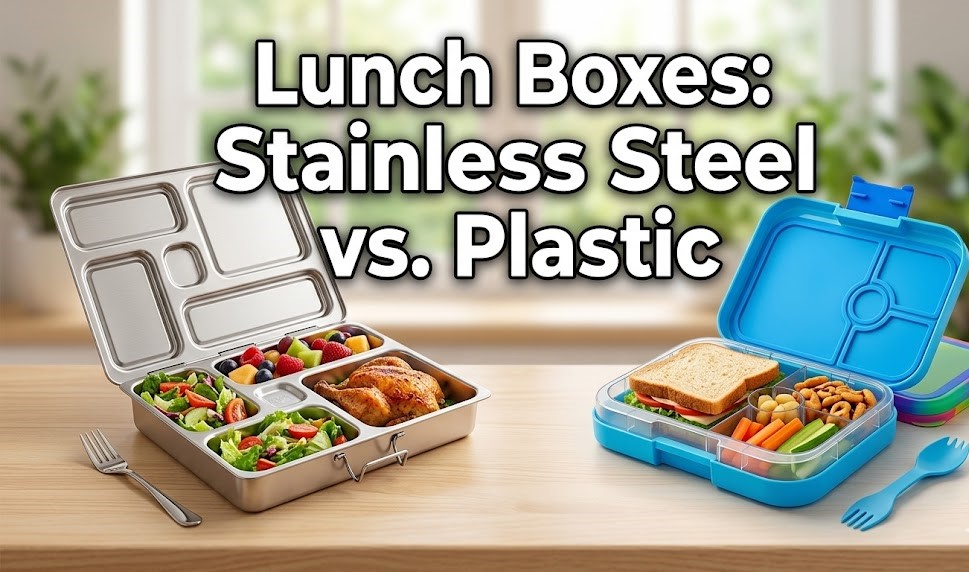
    Lunch Boxes: Stainless Steel vs. Plastic

    In the consumer goods sector of 2026, the selection of a portable meal container is a primary lifestyle decision impacting daily logistics, metabolic health, and ecological sustainability. The debate between stainless steel and plastic architectures centers on a trade-off between absolute durability and lightweight convenience. This intelligence brief deconstructs the material mechanics, safety profiles, and strategic deployment of both lunch box categories.

    Stainless Steel: The High-Durability Architecture

    Stainless steel containers represent the traditional, robust approach to food transport.

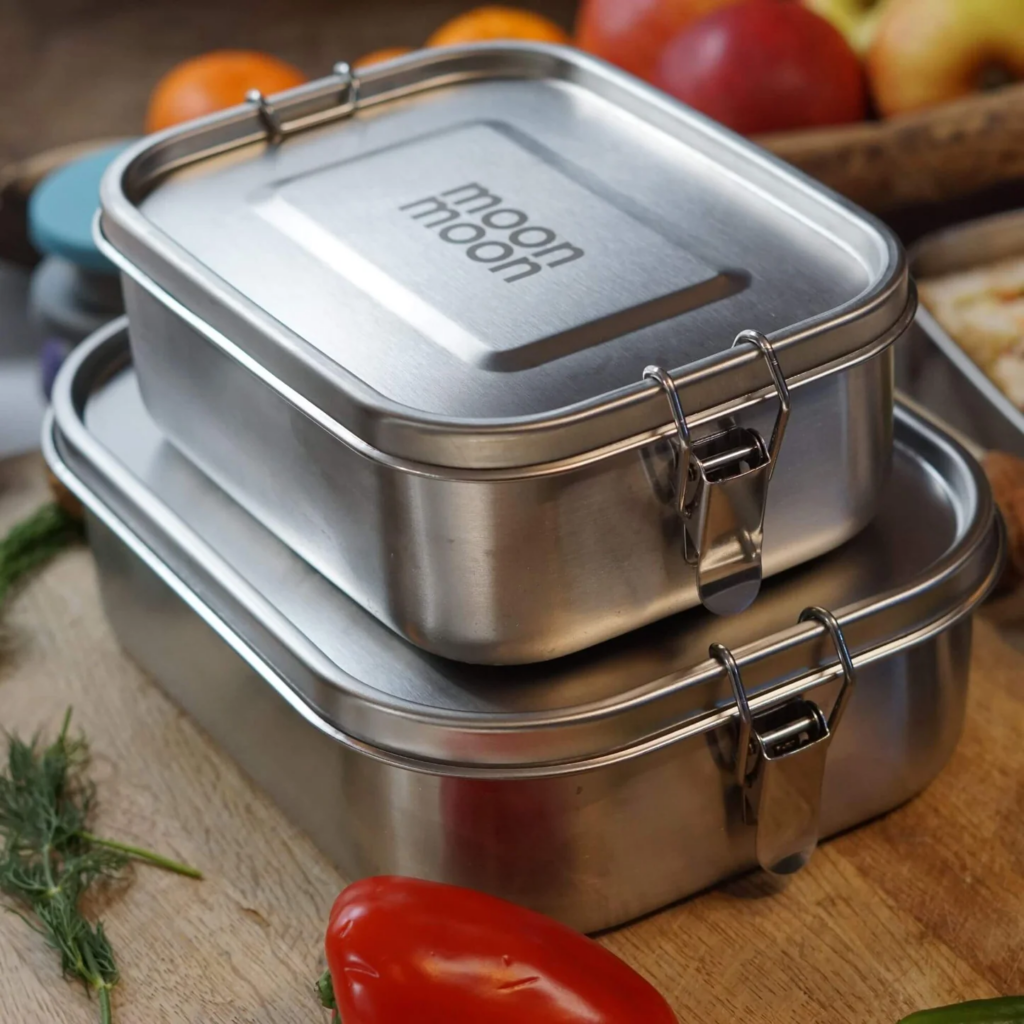
    • Mechanical Strength: These units are engineered for extreme durability. They are highly resistant to impact trauma (dropping, crushing), ensuring a multi-year, or even multi-decade, operational lifecycle.
    • Biochemical Safety & Hygiene: Stainless steel is inherently non-porous and non-toxic. It does not leach chemical compounds into food, regardless of the meal’s temperature or acidity. Furthermore, it completely resists holding onto residual oils, stains, or odors, minimizing the cleaning required.
    • Thermal Management: Many steel units are engineered with double-wall vacuum insulation, providing superior thermal retention for hot meals without requiring external heating infrastructure.
    • Operational Constraints: The primary drawbacks are increased physical weight, a generally utilitarian aesthetic, and the absolute inability to be used within a microwave oven.

    Plastic: The High-Convenience Architecture

    Plastic containers represent the modern, adaptable approach to meal logistics.

    • Portability & Aesthetics: These units are exceptionally lightweight, reducing the physical burden of daily transit (highly advantageous for children or commuters). They also offer infinite aesthetic customization regarding colors, patterns, and structural designs.
    • Microwave Integration: The primary operational advantage is microwave compatibility. Users can rapidly reheat meals directly within the primary container without requiring secondary dishware.
    • Sealing Mechanics: Modern plastic units utilize advanced silicone gaskets to achieve near-perfect hermetic seals, ensuring high-viscosity liquids (soups, sauces) remain leak-proof during transit.
    • Vulnerabilities: Plastic is highly susceptible to physical degradation (scratching, cracking). More critically, lower-grade plastics can leach endocrine-disrupting chemicals (like BPA) into food when heated. Furthermore, the porous nature of plastic causes it to absorb food stains (e.g., turmeric) and retain residual odors.

    Ecological Impact

    From a macroeconomic and environmental perspective, stainless steel is the superior architecture. It is fully recyclable, highly durable (reducing the frequency of replacement), and contributes zero microplastics to the environment. Conversely, plastic containers have a much shorter operational lifecycle and contribute directly to petroleum-based waste management liabilities if not strictly recycled.

    Strategic Selection Matrix

    The optimal material choice is dictated entirely by the user’s daily operational environment:

    • Deploy Stainless Steel If: You require long-term durability, prioritize absolute chemical safety, need built-in thermal insulation for hot meals, or are actively reducing your personal ecological footprint.
    • Deploy Plastic If: You require a lightweight carry, have guaranteed access to a microwave for reheating, prioritize a leak-proof seal for liquid-heavy meals, or require specific aesthetic designs for children.

    Conclusion

    The strategic verdict for 2026 confirms that neither material is universally superior; they serve different logistical requirements. Stainless steel is the ultimate Capital Expenditure (CAPEX) investment, offering unmatched longevity, hygiene, and environmental sustainability. Plastic is a high-utility asset offering superior convenience, microwave integration, and portability. Consumers must audit their daily transit requirements, access to reheating infrastructure, and long-term sustainability goals to select the optimal architecture for their daily meal logistics.

  • The 2026 Strategic Intelligence Brief: Culinary Hardware Architecture – Pressure Cooker vs. Rice Cooker

    The 2026 Strategic Intelligence Brief: Culinary Hardware Architecture – Pressure Cooker vs. Rice Cooker

    In the modern culinary landscape of 2026, the strategic deployment of kitchen capital requires an understanding of thermodynamic appliance mechanics. The decision between acquiring a Pressure cooker and a Rice cooker dictates a household’s daily operational efficiency, energy expenditure, and menu versatility. This intelligence brief deconstructs the physical mechanics, economic trade-offs, and behavioral implications of automated grain preparation versus high-pressure thermal cooking.

    Historical Context and Foundational Evolution

    The mechanization of domestic cooking represents a critical shift in household labor economics. The pressure cooker, conceptualized in the 17th century by Denis Papin, was popularized post-World War II as a method to tenderize cheap cuts of meat rapidly. It relied entirely on manual monitoring. Conversely, the automatic electric rice cooker, commercialized in Japan in the 1950s, introduced the concept of autonomous culinary hardware. It shifted the paradigm from active human supervision to passive, sensor-driven execution. By 2026, both appliances have integrated modern safety valves and digital logic boards, yet they remain anchored to their fundamentally divergent thermal philosophies.

    Technical Mechanics and Thermodynamic Architecture

    The structural architecture of these two appliances serves completely different thermodynamic objectives.

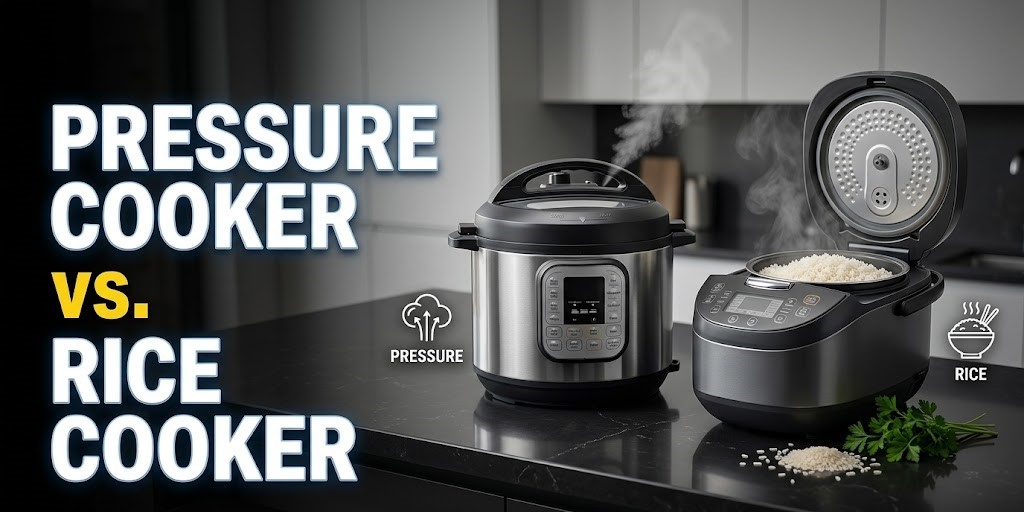
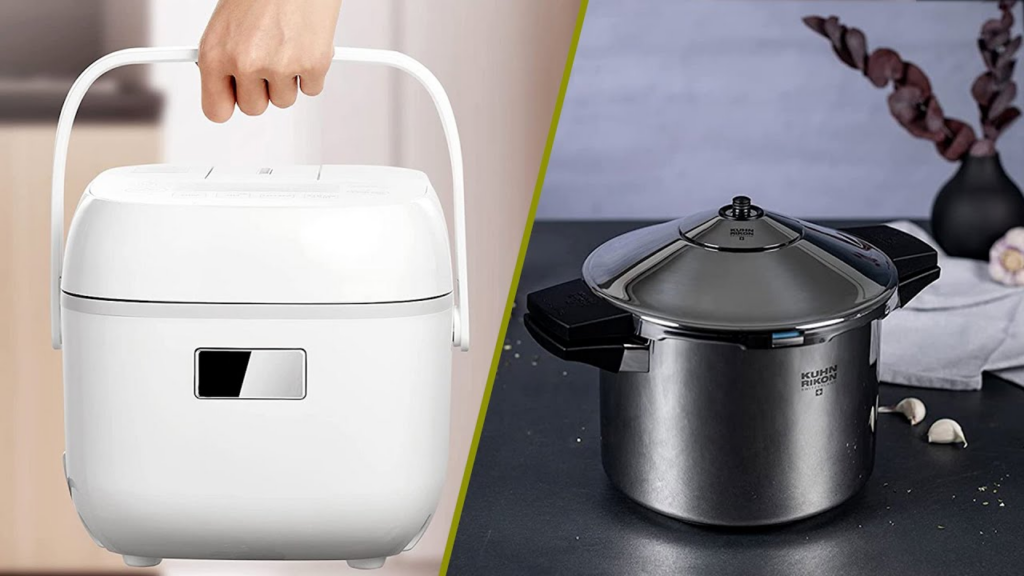
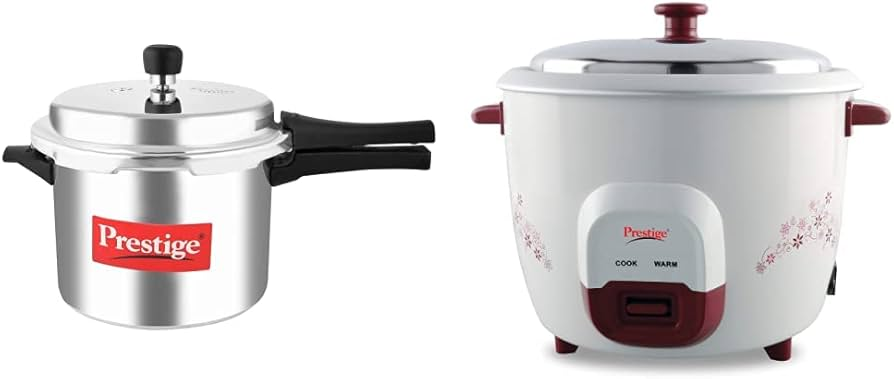
    • The Pressure Cooker (Thermal Acceleration): This device operates on the principles of Gay-Lussac’s law. By creating an airtight seal, the internal steam pressure builds, raising the boiling point of water up to approximately 250°F (121°C). Mechanically, this hyper-thermal environment drives moisture into food fibers, reducing cooking times by up to 70% and accelerating the breakdown of tough collagens in meats or complex starches in legumes.
    • The Rice Cooker (Automated Phase-Change): This device is an automated thermal logic board. It consists of a heating element, a cooking pan, and a thermostat. It relies on the physics of phase change; water cannot exceed 212°F (100°C) until it evaporates. Once the rice absorbs all the water, the temperature at the bottom of the pan spikes. The thermostat detects this immediate temperature rise and autonomously triggers the mechanical switch, shifting the device from “boil” to “keep warm,” ensuring perfectly cooked grains without human intervention.

    Economic Impact and Energy Expenditure

    From a microeconomic perspective, both appliances represent energy-efficient alternatives to prolonged stovetop boiling, but they achieve this through different vectors.

    • Pressure Cooker Economics: This appliance minimizes energy consumption by drastically reducing the total time the heat source is active. Because it is highly versatile (capable of cooking stews, beans, meats, and grains), it yields a high Return on Investment (ROI) by consolidating the functions of multiple pots and pans, provided the user is willing to actively monitor the process.
    • Rice Cooker Economics: While it uses electricity for a longer duration than a pressure cooker, it minimizes labor costs. The economic value is measured in time reclaimed; the user is freed to execute other tasks while the appliance operates autonomously.

    Sociocultural and Behavioral Implications

    The selection between these appliances reflects distinct behavioral demographics and culinary priorities in 2026. The rice cooker appeals to households that prioritize consistency, automation, and a grain-heavy diet (common in Asian and Latin American cuisines). It supports a “set-it-and-forget-it” domestic workflow. In contrast, the manual pressure cooker appeals to the pragmatic, multi-cuisine cook who prioritizes speed and raw versatility over automation. It requires active engagement, mechanical understanding of steam release valves, and timing precision.

    Regulatory, Ethical, and Safety Frameworks

    The manufacturing of these appliances involves strict consumer safety regulations, primarily due to the inherent dangers of high-pressure steam and electrical heating elements. Modern pressure cookers must incorporate redundant mechanical fail-safes (such as controlled gasket-release systems and metallic safety plugs) to prevent explosive decompression. Ethically, the promotion of hard-anodized or high-grade stainless steel in both appliances prevents the leaching of heavy metals or toxic non-stick chemicals (PFAS) into food, aligning with 2026 mandates for bio-compatible cookware.

    Competitive Analysis and Strategic Positioning

    In the domestic hardware market, these devices occupy adjacent tactical niches.

    • The Pressure Cooker competes on the axis of speed and multi-utility. It is the ultimate tool for rapid meal prep across a wide spectrum of ingredients but requires a learning curve and active monitoring.
    • The Rice Cooker competes on the axis of flawless automation and single-task perfection. It guarantees perfectly textured grains with zero supervision but lacks the thermal capability to accelerate the cooking of dense proteins or legumes. For optimal kitchen efficiency, the strategic consensus frequently dictates the concurrent deployment of both systems: the rice cooker autonomously prepares the carbohydrate base, while the pressure cooker rapidly prepares the complex protein or vegetable main course.

    Predictive Modeling: The Future of Culinary Hardware (2026–2030)

    Predictive modeling for 2030 indicates a rapid convergence of these two technologies into “Smart Multi-Cookers.” While multi-cookers exist today, future iterations will integrate advanced AI thermal profiling. These devices will autonomously detect the weight, moisture content, and density of the ingredients placed inside (via localized load cells and steam sensors). The appliance will then automatically determine whether to deploy high-pressure steam for rapid breakdown or utilize automated phase-change logic for delicate grains, completely eliminating the need for human input regarding time or pressure settings.

    Conclusion

    The strategic debate between the Pressure Cooker and the Rice Cooker in 2026 is fundamentally a calculation of user engagement versus culinary versatility. The pressure cooker is a high-speed thermal engine that handles everything from tough meats to dense legumes, rewarding the active cook with drastically reduced meal prep times. The electric rice cooker is an autonomous robot dedicated to the flawless, hands-free preparation of grains. To optimize a modern kitchen, consumers must align their hardware investment with their primary dietary habits: choose the pressure cooker for rapid, varied meal execution, or the rice cooker for guaranteed, unsupervised carbohydrate consistency.

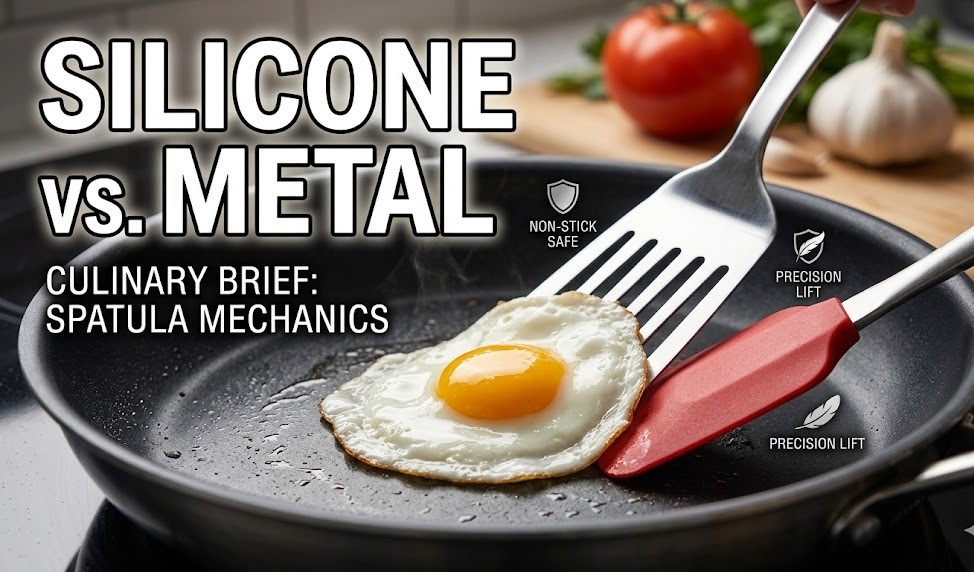
  • The 2026 Strategic Intelligence Brief: Culinary Implement Mechanics – Silicone vs. Metal Spatulas

    The 2026 Strategic Intelligence Brief: Culinary Implement Mechanics – Silicone vs. Metal Spatulas

    In the domestic and professional culinary sectors of 2026, the selection of basic kitchen implements is no longer viewed as arbitrary. The mechanical interaction between a cooking utensil and the cookware surface dictates not only the physical integrity of the food but also the lifespan of expensive culinary hardware. This intelligence brief deconstructs the structural architecture, economic implications, and strategic deployment of the two primary turning implements: the Silicone spatula and the Stainless steel (metal) spatula.

    Historical Context and Foundational Evolution

    Historically, the spatula evolved from flat wooden paddles used to stir cauldrons into specialized metal blades designed for the high-heat searing of meats on cast iron. However, the mid-to-late 20th-century proliferation of Non-stick surface cookware (utilizing PTFE/Teflon coatings) created an immediate mechanical crisis: traditional metal spatulas aggressively scratched and destroyed these chemical coatings. This vulnerability necessitated the foundational evolution of the food-grade silicone spatula, engineered specifically to provide thermal resistance without compromising the delicate chemical layers of modern non-stick pans.

    Technical Mechanics and Structural Architecture

    The mechanical divide between silicone and metal spatulas centers on the physics of rigidity versus flexibility.

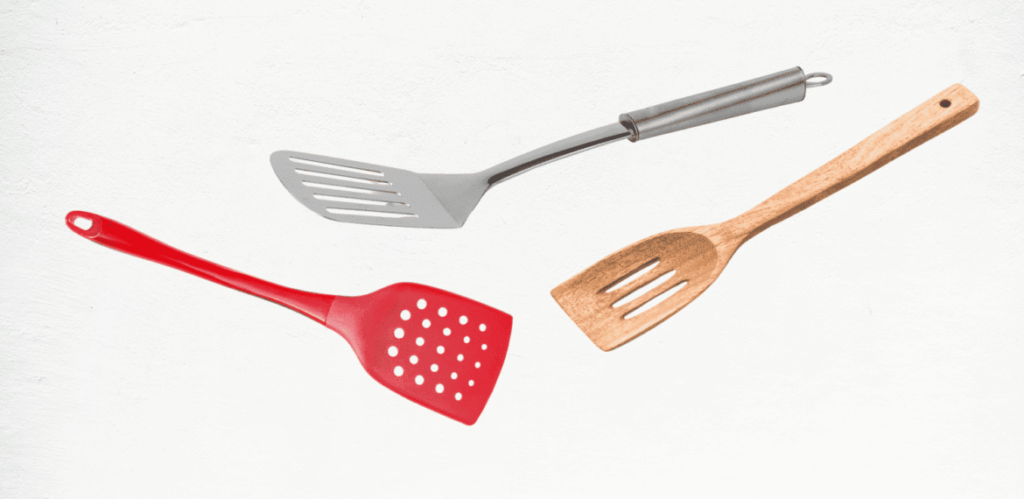
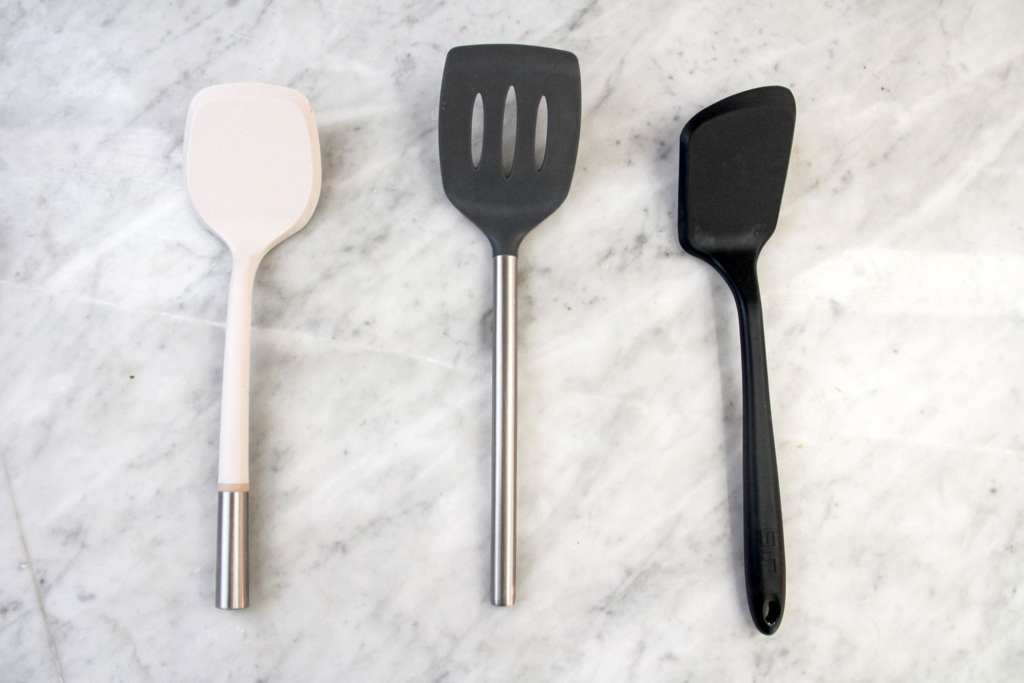
    • Silicone Mechanics: Engineered from synthetic polysiloxane, these spatulas offer high flexibility and a soft, ergonomic grip. Mechanically, they adapt to the curvature of the pan, allowing for a seamless glide beneath delicate proteins (like fish or eggs) without breaking them. However, their structural weakness is a defined thermal ceiling; prolonged exposure to direct, extreme heat can cause polymer degradation.
    • Metal Mechanics: Crafted typically from hardened stainless steel, metal spatulas offer zero flexibility but immense tensile strength and absolute thermal immunity. They provide the mechanical leverage required to separate heavily seared, caramelized proteins from uncoated metal surfaces (like cast iron or carbon steel griddles) without bending or yielding under pressure.

    Economic Impact and Capital Expenditure (CAPEX)

    From a microeconomic perspective, the spatula itself represents a negligible Capital Expenditure (CAPEX), typically costing under $20. However, the strategic error of utilizing the wrong spatula results in massive secondary costs through rapid cookware depreciation. Deploying a rigid metal spatula on a premium non-stick skillet will immediately compromise the coating, transforming a highly functional pan into toxic electronic waste. Therefore, the silicone spatula acts as an economic shield, protecting the long-term ROI of the consumer’s primary cookware investment.

    Sociocultural and Behavioral Implications

    Behaviorally, the choice of spatula influences the physiological comfort of the cook. Silicone spatulas, with their shock-absorbing polymer handles, significantly reduce wrist strain and hand fatigue during prolonged, repetitive motions (such as folding batter or continuous stirring). Conversely, the metal spatula is culturally associated with the aggressive, high-energy environment of outdoor grilling and professional diner kitchens. The tactile feedback of a metal edge scraping against cast iron provides a psychological satisfaction linked to the Maillard reaction (browning of food), whereas silicone provides a silent, frictionless experience.

    Regulatory, Ethical, and Ecological Frameworks

    The intersection of kitchen utensils and chemical safety remains highly scrutinized. The misuse of metal spatulas on non-stick pans releases dangerous “forever chemicals” (PFAS/PTFE flakes) directly into the food supply, presenting a severe bioethical and health hazard. Silicone spatulas effectively neutralize this risk. Ecologically, however, metal spatulas possess a distinct advantage: high-quality stainless steel tools are functionally immortal and infinitely recyclable. Silicone, while highly durable and rust-proof, will eventually degrade, tear, or absorb odors, and its recycling infrastructure remains vastly inferior to that of commercial steel, often resulting in landfill accumulation.

    Competitive Analysis and Strategic Positioning

    In the culinary hardware matrix, silicone and metal spatulas do not directly compete; they occupy mutually exclusive tactical niches.

    • Silicone dominates the baking, non-stick, and low-to-medium heat sectors. It is the mandatory tool for delicate operations and preserving coated hardware.
    • Metal dominates the high-heat searing, grilling, and uncoated cast-iron sectors. It is the mandatory tool for structural leverage and precise scraping. Strategic kitchen management requires the concurrent deployment of both systems, utilizing each strictly within its engineered operational parameters to maximize efficiency and safety.

    Predictive Modeling: The Future of Culinary Implements (2026–2030)

    Predictive modeling for 2030 indicates a rapid shift toward “Hybrid Architecture” in basic kitchen tools. We anticipate the obsolescence of purely floppy silicone turners, replaced entirely by ultra-thin, spring-steel cores completely encapsulated in high-thermal-grade silicone (rated up to 600°F). This will provide the unyielding leverage and ultra-thin edge of a metal spatula combined with the non-stick protection of a polymer. Furthermore, integration of smart-materials—where the silicone visibly shifts color when it approaches its maximum thermal tolerance—will become standard, preventing accidental melting and chemical leaching during high-heat applications.

    Conclusion

    The strategic verdict for 2026 is that neither the silicone nor the metal spatula is universally superior; rather, their efficacy is entirely context-dependent. Silicone spatulas prioritize ergonomic comfort, hygiene, and the absolute protection of delicate foods and non-stick surfaces. Metal spatulas prioritize sheer mechanical leverage, precision, and invulnerability to extreme heat. To operate a kitchen with maximum efficiency and protect expensive cookware investments, consumers must abandon the “single tool” mindset and recognize these spatulas as distinct, specialized instruments engineered for completely different thermodynamic and mechanical environments.

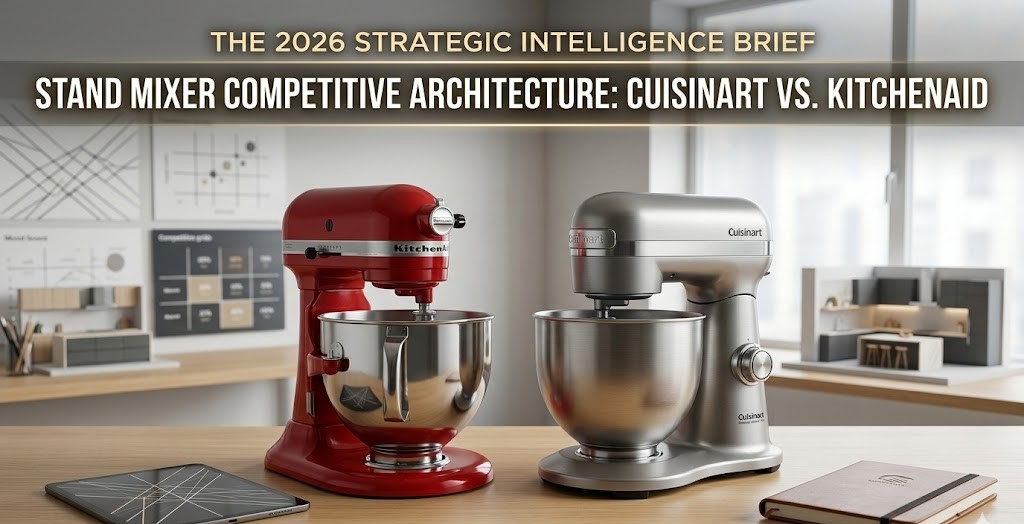
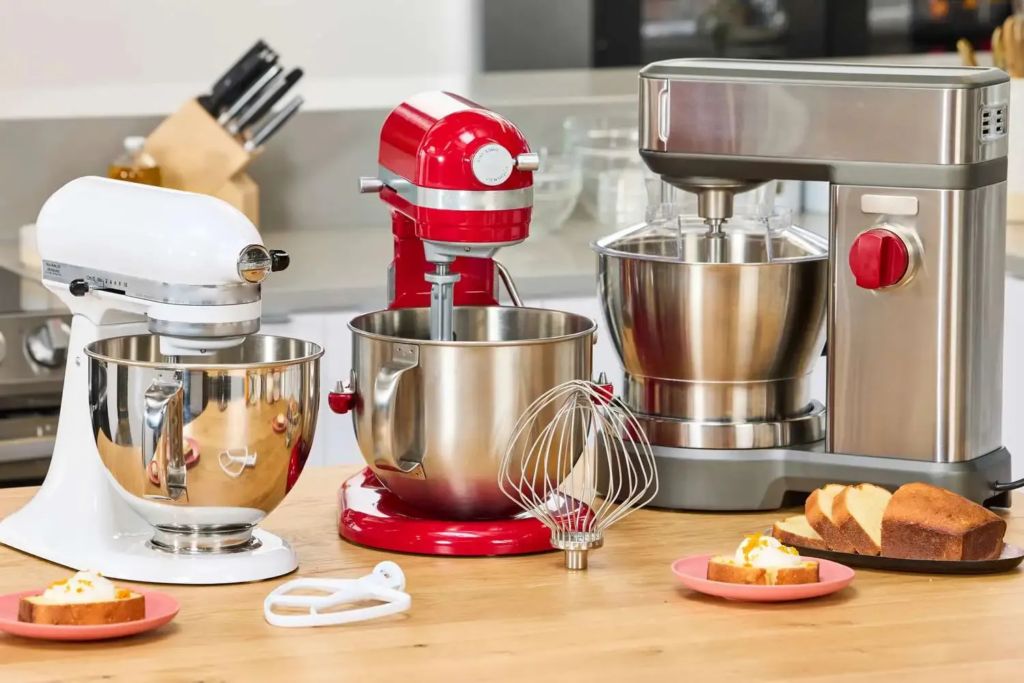
  • The 2026 Strategic Intelligence Brief: Stand Mixer Competitive Architecture – Cuisinart vs. KitchenAid

    The 2026 Strategic Intelligence Brief: Stand Mixer Competitive Architecture – Cuisinart vs. KitchenAid

    In the consumer appliance sector of 2026, the stand mixer remains a high-value anchor point for domestic and semi-professional kitchens. The market is functionally a duopoly dominated by Cuisinart and KitchenAid. Choosing between these two brands requires a strategic analysis of mechanical engineering, motor torque efficiency, aesthetic design, and capital investment. This intelligence brief deconstructs the competitive advantages, structural limitations, and microeconomic positioning of both culinary hardware platforms.

    1. Historical Context and Foundational Architecture

    The stand mixer is a foundational piece of kitchen engineering, designed to mechanize the labor-intensive tasks of whipping, beating, and Kneading. KitchenAid (owned by Whirlpool Corporation) is the legacy incumbent, having introduced its iconic Model “H” in 1919. Its design philosophy is rooted in heavy, generational-use cast metal and “direct-drive” transmission. Cuisinart, operating under Conair Corporation, entered the stand mixer market much later, bringing a distinct philosophy of modern precision, lighter-weight chassis design, and digital integration (such as built-in timers), appealing to a more pragmatic, budget-conscious demographic.

    2. Technical Mechanics and Motor Architecture

    The structural mechanics and motor power of these two brands present the most critical point of divergence.

    • Cuisinart Mechanics: Cuisinart models frequently utilize a standard belt-driven or indirect transmission system but compensate with high raw wattage. Their motors typically range from 500 to 1,000 watts. This high wattage allows them to maintain consistent speed under load. Furthermore, Cuisinart’s integration of digital timer functions allows for precise, unattended mixing intervals.
    • KitchenAid Mechanics: KitchenAid utilizes a Direct-drive mechanism (specifically in their bowl-lift and premium tilt-head models). While their wattage appears lower on paper—ranging from 250 Watts in the Classic Series to 970 Watts in the Professional Series—the direct-drive transmission channels kinetic energy far more efficiently from the motor to the beater. This allows a 325-watt KitchenAid to generate equivalent or superior torque compared to a higher-wattage, indirect-drive competitor when facing dense bread doughs.

    3. Economic Impact and Capital Expenditure (CAPEX)

    From a microeconomic perspective, the acquisition of a stand mixer is a significant Capital Expenditure (CAPEX) for the home baker.

    • The Cuisinart Economy: Cuisinart operates on a “Value-Maximized” pricing strategy. They offer high-wattage motors, large bowl capacities (5.5 to 7.0 Quarts), and robust performance at a significantly lower initial price point than KitchenAid. This makes Cuisinart the optimal economic choice for consumers requiring high-capacity baking capability without a luxury budget.
    • The KitchenAid Economy: KitchenAid demands a premium initial CAPEX. However, this is rationalized as a long-term investment. The heavy cast-zinc construction and repairable internal gear systems ensure a lifespan measured in decades. Furthermore, the universal “Power Hub” interface at the front of the mixer—which remains compatible with attachments dating back to the 1930s—protects the consumer’s investment in accessories (meat grinders, pasta rollers) even if the base unit is upgraded.

    4. Sociocultural and Behavioral Implications

    Socioculturally, the stand mixer has evolved from a pure utility tool into a high-visibility kitchen status symbol. KitchenAid dominates this behavioral sphere. The brand’s decision to offer dozens of custom colors and limited-edition finishes transforms the appliance into a central element of interior design. It signals domestic proficiency and artisanal aspiration. Cuisinart, while sleek and modern, is typically viewed through a pragmatic lens; it is selected for its functional utility and space-saving, lightweight footprint rather than its aesthetic prestige.

    5. Regulatory, Ethical, and Ecological Frameworks

    Both brands must adhere to stringent manufacturing and safety regulations, particularly concerning food-contact surfaces. The primary ecological distinction lies in their manufacturing lifecycles. KitchenAid’s heavy reliance on cast metal and repairable, mechanical gearboxes aligns with “Right to Repair” ethics and reduces electronic waste, as the machines can frequently be rebuilt rather than replaced. Cuisinart models, while durable, utilize more lightweight composites and integrated digital boards, which can complicate long-term repairability if electronic components fail, potentially accelerating their path to e-waste.

    6. Competitive Analysis and Strategic Positioning

    In the 2026 market matrix, the brands are positioned to capture distinct consumer profiles:

    • Cuisinart: Positioned for the pragmatist. It wins on high capacity (often boasting larger standard bowls than entry-level KitchenAids), modern features (digital timers), lighter weight for easy storage, and immediate cost-efficiency.
    • KitchenAid: Positioned for the traditionalist and semi-professional. It wins on unyielding durability, efficient direct-drive torque for heavy doughs, an unparalleled, universally compatible attachment ecosystem, and premium aesthetic status.

    7. Predictive Modeling: The Future of the Stand Mixer (2026–2030)

    Looking toward 2030, predictive models indicate a convergence of these two distinct philosophies driven by smart technology. We anticipate future KitchenAid models will be forced to adopt the digital conveniences pioneered by brands like Cuisinart, such as integrated load cells (built-in scales) and automatic shut-off timers. Conversely, Cuisinart will likely need to adopt more efficient, direct-drive brushless DC motors to reduce raw wattage draw while maintaining high torque. Ultimately, the market will demand appliances that combine the generational durability of a KitchenAid with the digital precision of a Cuisinart.

  • The 2026 Strategic Intelligence Brief: Culinary Automation vs. Manual Versatility – Bread Makers and Stand Mixers

    The 2026 Strategic Intelligence Brief: Culinary Automation vs. Manual Versatility – Bread Makers and Stand Mixers

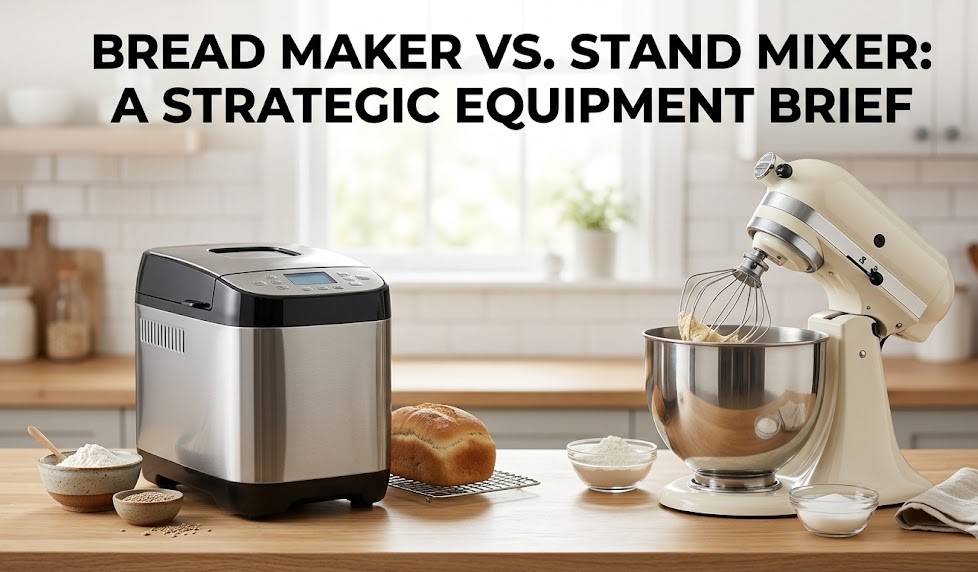
    In the consumer appliance sector of 2026, the strategic deployment of kitchen capital often centers on optimizing the baking workflow. The decision between acquiring a Bread machine and a Mixer (appliance) (specifically, the stand mixer) dictates an individual’s operational engagement with food preparation. This intelligence brief deconstructs the mechanical architecture, microeconomic trade-offs, and sociocultural implications of automated bread production versus versatile, multi-stage culinary preparation.

    1. Historical Context and Foundational Evolution

    The mechanization of dough preparation represents a critical milestone in domestic engineering. The stand mixer, pioneered by companies like Hobart (which later launched KitchenAid) in the early 20th century, was originally designed to scale down commercial bakery power for the residential kitchen. It fundamentally changed the labor economics of home baking. Conversely, the bread maker, first commercialized in Japan in 1986, introduced a radical paradigm shift: full automation. While the stand mixer mechanized only the kinetic phase (mixing/kneading), the bread maker synthesized the kinetic and thermal phases (mixing, proofing, and baking) into a single, closed-loop appliance.

    2. Technical Mechanics and Structural Architecture

    The structural architecture of these two appliances serves entirely different engineering philosophies.

    • The Bread Maker (Closed-Loop Automation): This device utilizes a unified architectural chamber containing a motorized paddle and a perimeter heating element. It relies on a microcontroller to execute strict pre-programmed algorithms governing time, kinetic speed, and thermal output. The mechanical limitation is its rigid form factor; it produces a strictly uniform shape dictated by the internal non-stick pan.
    • The Stand Mixer (Open-System Kinetic Hub): This device is a high-torque orbital motor suspended over a stationary bowl. Utilizing planetary action, it drives heavy attachments (such as a dough hook) to mechanically align gluten strands, closely mimicking manual Kneading. It relies on user intervention to monitor dough elasticity and requires a secondary thermal environment (a conventional oven) to complete the baking cycle.

    3. Economic Impact and Capital Expenditure (CAPEX)

    From a microeconomic perspective, purchasing culinary hardware requires an analysis of upfront capital expenditure versus long-term utility.

    • Bread Maker Economics: This represents a lower initial CAPEX. It is highly cost-effective for households strictly focused on daily bread consumption, reducing the variable cost of purchasing premium bakery loaves. However, its Return on Investment (ROI) is capped by its single-utility nature.
    • Stand Mixer Economics: This represents a high initial CAPEX, often double or triple the cost of a bread maker. However, its modular architecture—featuring power hubs for meat grinders, pasta rollers, and varying mixing paddles—transforms it into a multi-utility culinary hub. The long-term ROI is higher as it consolidates the need for multiple independent appliances, provided the user engages in diverse cooking and baking practices.

    4. Sociocultural and Behavioral Implications

    The selection between these two appliances reflects distinct behavioral demographics in 2026. The bread maker appeals to the “time-poor” consumer who seeks the psychological comfort and nutritional control of home-baked goods without the requisite labor or time investment. It supports a “set-it-and-forget-it” lifestyle. In contrast, the stand mixer caters to the artisanal or hobbyist demographic. It requires active monitoring, tactile engagement, and manual shaping (e.g., scoring a boule or braiding a challah). The stand mixer is not merely a tool; it is a sociocultural status symbol within the domestic kitchen, signaling a commitment to the craft of culinary arts.

    5. Regulatory, Ethical, and Ecological Frameworks

    The manufacturing and lifecycle of these appliances involve specific ecological and safety frameworks. Bread makers frequently rely on non-stick coatings (such as PTFE or ceramic) for their internal pans, which are subject to stringent consumer safety regulations regarding thermal degradation and chemical leaching. Ecologically, bread makers are highly integrated electronic systems prone to planned obsolescence; a failed heating element often renders the entire unit e-waste. Conversely, premium stand mixers utilize exposed stainless steel bowls and heavy-cast metal gears, adhering to highly durable, generational-use manufacturing principles that significantly reduce their long-term environmental footprint.

    6. Competitive Analysis and Strategic Positioning

    In the domestic hardware market, these devices occupy adjacent but distinct strategic positions. Bread makers compete on the axis of convenience and programmable logic, with brands focusing on specialized algorithms for gluten-free, sourdough, or rapid-bake cycles. Stand mixers, dominated by legacy brands like KitchenAid and Cuisinart, compete on the axis of motor torque, attachment ecosystems, and aesthetic design. The strategic positioning is clear: the bread maker is marketed as a pragmatic daily appliance, while the stand mixer is marketed as an aspirational, lifelong culinary investment.

    7. Predictive Modeling: The Future of Culinary Hardware (2026–2030)

    Predictive models for the remainder of the decade indicate a convergence of IoT (Internet of Things) capabilities in both platforms.

    • Next-Gen Bread Makers: We anticipate the integration of cloud-connected algorithms allowing users to download highly specific, micro-adjusted proofing profiles from master bakers directly to the machine’s firmware via smartphone applications.
    • Next-Gen Stand Mixers: Future stand mixers will integrate localized sensor technology, utilizing built-in load cells (scales) for precise ingredient input and torque-sensors that actively monitor dough resistance, automatically shutting off the motor when optimal gluten development is achieved to prevent over-kneading.