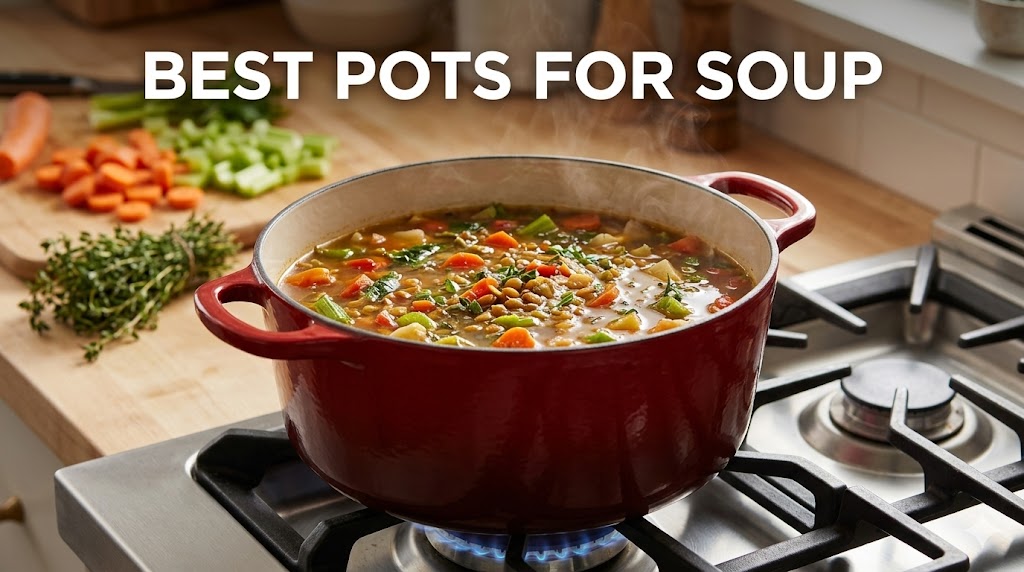
Few dishes deliver comfort quite like a steaming bowl of soup. From hearty stews on cold winter nights to bright, brothy bowls in the warm summer months, soup is truly timeless. To get consistent, delicious results, the best pots for making soup must combine even heat distribution, thoughtful materials, and the perfect size for your cooking needs.
Here is your complete guide to finding the ultimate vessel for your next batch of comfort food.
Types of Vessels for Making Soup
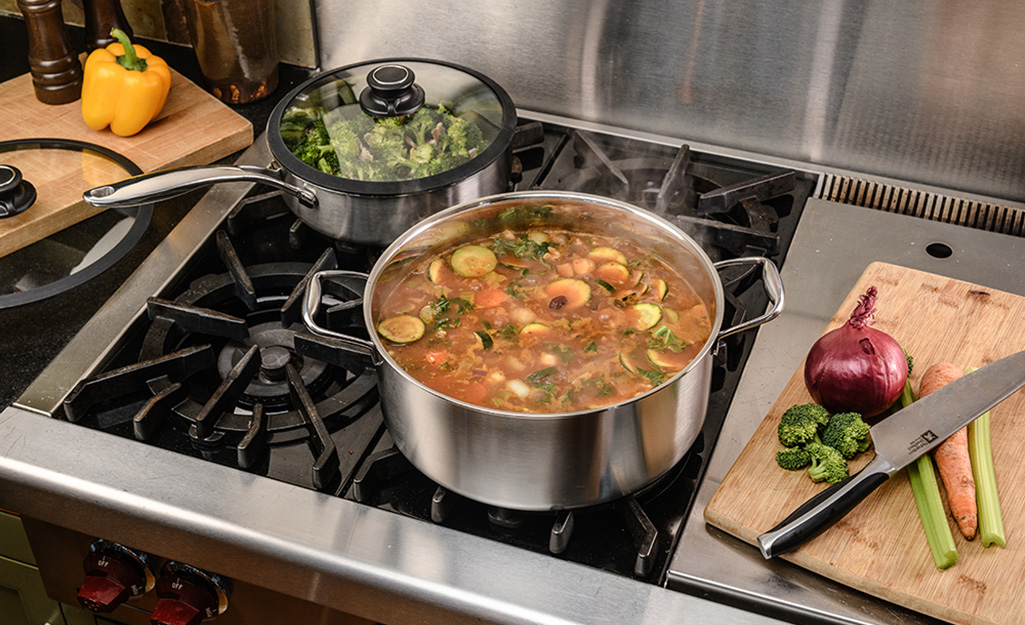
No matter the recipe—whether it’s a delicate broth or a robust, chunky stew—the vessel you choose fundamentally shapes both flavor and texture. The right pot helps ingredients cook evenly, release their natural richness, and blend into a comforting bowl that feels complete. From small saucepans to massive stockpots, each piece brings its own advantages to your kitchen routine.
1. The Saucepan
A classic saucepan shines for smaller batches, heating creamy bisques, or reheating leftovers. Its tall sides limit evaporation, and its wide base helps build flavor when sautéing aromatics like garlic and onions. If you cook for one or two people, a compact saucepan keeps portions right-sized and cleanup incredibly simple.
2. Multipots for Large Batches
When you’re cooking for a crowd—or cooking once and freezing for the month—large pots offer ample space so ingredients can move freely and cook evenly. Think family-sized chili, chicken noodle soup for the week, or a massive vegetable minestrone. Multipots are versatile multitaskers, ideal for boiling, steaming, and crafting homemade stocks.
3. Stainless Steel Stock Pots
A stainless steel stock pot is a timeless essential for cooks who value flavor, performance, and extreme durability. Premium stainless steel pots feature multi-layered construction with a thick base that handles high heat with ease. Great stockpots share key traits: a wide base to maximize browning, tall sides to manage volume and reduce splatter, sturdy handles you can grip securely with oven mitts, and a tight-fitting lid to control steam. (For many home cooks, the 6 to 8-quart capacity is the absolute sweet spot).
4. Nonstick Stock Pots
If you prioritize easy cleanup, nonstick stock pots drastically reduce sticking—especially with thick, cream-based soups and starchy recipes like potato leek. Just remember to use silicone or wooden utensils to protect the coating!
Our Top Picks for the Best Soup Pots
The best large stock pot balances capacity, stability, and heat control. Look for a durable material, a thick bonded base, and strong handles. Here are our top All-Clad recommendations:
- All-Clad D5 Stainless Brushed Soup Pot with Lid (4 qt): Premium stainless steel with a bonded base for steady heat; ideal when clarity of flavor matters for smaller families.
- Enameled Cast Iron Dutch Oven with Lid (6 qt): The best Dutch oven for hearty stews and slow simmers; offers superb heat retention and an elegant table presence.
- All-Clad D5 Stainless Polished Ultimate Soup Pot with Ladle (6 qt): A polished showpiece with an included ladle; perfect for serving and entertaining with exceptional performance.
- HA1 Expert Nonstick Soup Pot with Lid (4 qt): A practical pot for weeknights; the nonstick interior supports lighter cooking and simple cleanup.
- Essentials Nonstick Stockpot with Multi-purpose Insert (7 qt): A flexible stockpot with an insert for pasta, blanching, or steaming—excellent large-pot utility all in one piece of cookware.
How to Make Soup: Tips for Home Cooks
- Build flavor at the bottom: Sweat onions, celery, and carrots (mirepoix) over medium heat on the bottom of the pot to build a flavorful foundation before adding your liquid.
- Simmer, don’t boil hard: Bring your soup to a boil, then immediately drop it to hold a gentle simmer. This ensures clear stocks and tender textures for your meat and vegetables.
- Season in layers: Add salt early in the cooking process and adjust at the very end. Finish your soup with a splash of acidity (like lemon juice) or fresh herbs to brighten the bowl.
- Choose the right size: Use a smaller size (2–4 qt) for quick weeknight meals, and a large size (10+ qt) for bulk batch cooking and freezing.
Frequently Asked Questions
Are stainless steel pots good for making soup? Yes—stainless steel is a preferred material. It is highly durable, fantastic for deglazing flavorful fond from the bottom of the pot, and compatible with most cooktop ranges, including modern induction cooktops.
Are stock pots actually good for making soup? Absolutely. Stock pots are built specifically for flavor and control. Their tall sides minimize evaporation so your broth stays concentrated, while the wide base promotes even heating for a gentle, consistent simmer. With an All-Clad stainless steel stock pot, you can brown vegetables or meat directly on the bottom before deglazing, creating a rich foundation of complexity.
What size saucepan or stockpot do I need for making soup?
- 2–4 Quarts: Perfect for smaller batches for 1–2 people.
- 6–8 Quarts: The most versatile, everyday range for standard family dinners.
- 10+ Quarts: Best for hosting large parties, simmering massive batches of bone broth, or meal-prepping to freeze portions.