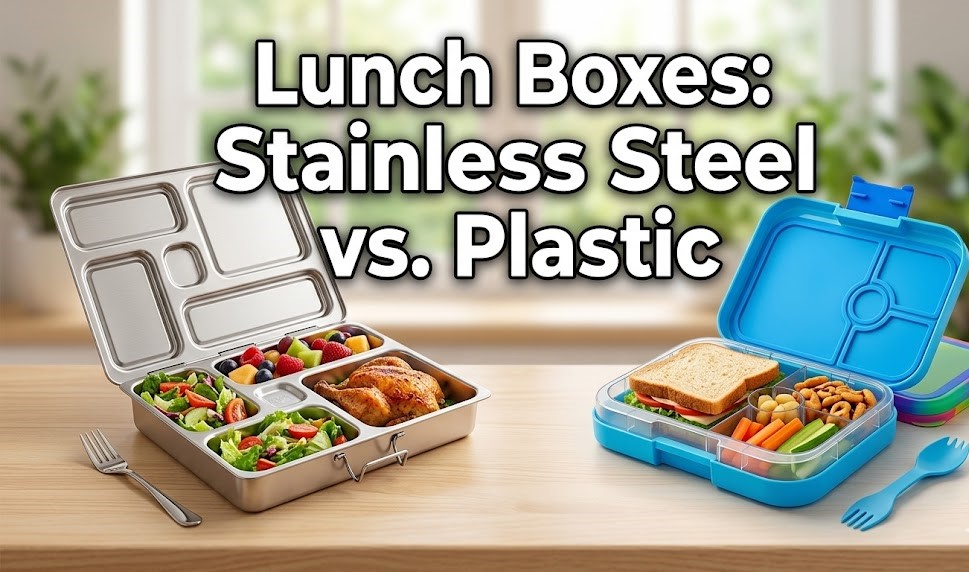
In the consumer goods sector of 2026, the selection of a portable meal container is a primary lifestyle decision impacting daily logistics, metabolic health, and ecological sustainability. The debate between stainless steel and plastic architectures centers on a trade-off between absolute durability and lightweight convenience. This intelligence brief deconstructs the material mechanics, safety profiles, and strategic deployment of both lunch box categories.
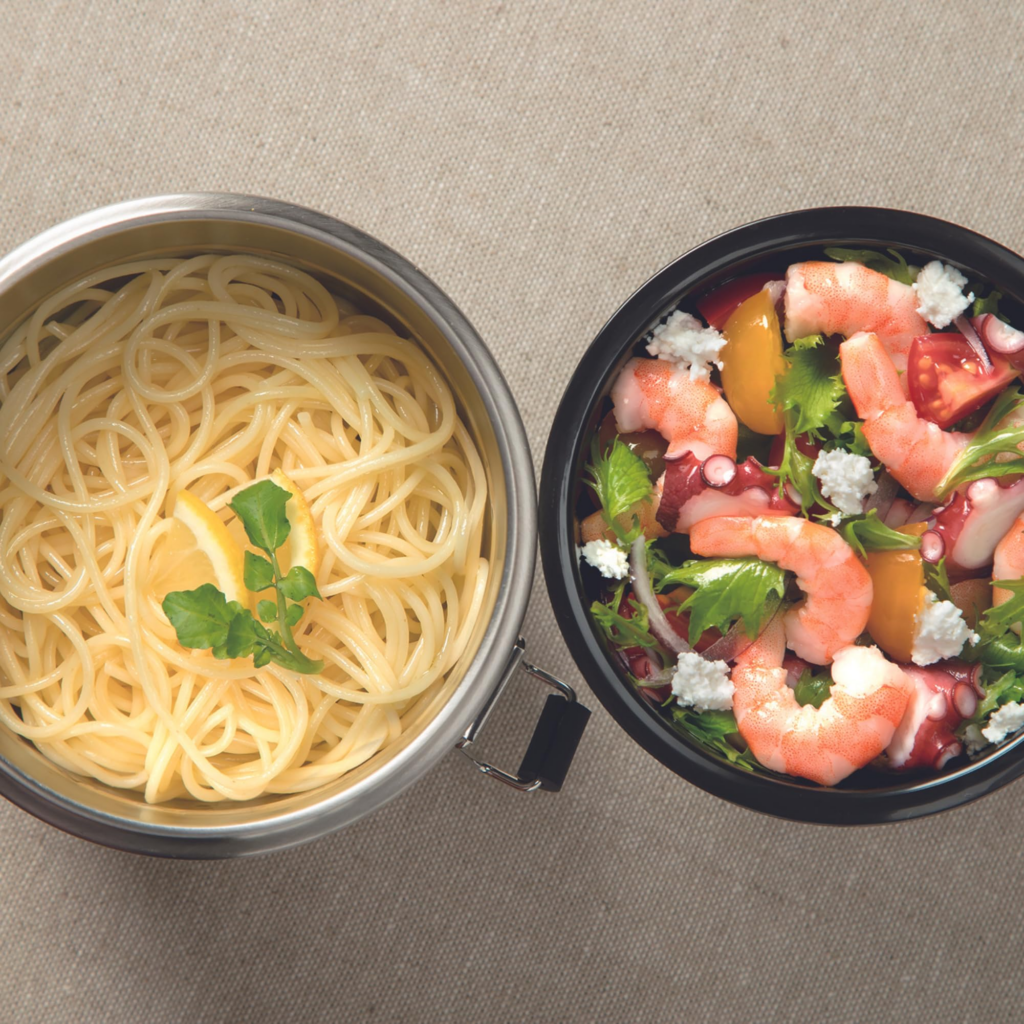
Stainless Steel: The High-Durability Architecture
Stainless steel containers represent the traditional, robust approach to food transport.
- Mechanical Strength: These units are engineered for extreme durability. They are highly resistant to impact trauma (dropping, crushing), ensuring a multi-year, or even multi-decade, operational lifecycle.
- Biochemical Safety & Hygiene: Stainless steel is inherently non-porous and non-toxic. It does not leach chemical compounds into food, regardless of the meal’s temperature or acidity. Furthermore, it completely resists holding onto residual oils, stains, or odors, minimizing the cleaning required.
- Thermal Management: Many steel units are engineered with double-wall vacuum insulation, providing superior thermal retention for hot meals without requiring external heating infrastructure.
- Operational Constraints: The primary drawbacks are increased physical weight, a generally utilitarian aesthetic, and the absolute inability to be used within a microwave oven.
Plastic: The High-Convenience Architecture
Plastic containers represent the modern, adaptable approach to meal logistics.
- Portability & Aesthetics: These units are exceptionally lightweight, reducing the physical burden of daily transit (highly advantageous for children or commuters). They also offer infinite aesthetic customization regarding colors, patterns, and structural designs.
- Microwave Integration: The primary operational advantage is microwave compatibility. Users can rapidly reheat meals directly within the primary container without requiring secondary dishware.
- Sealing Mechanics: Modern plastic units utilize advanced silicone gaskets to achieve near-perfect hermetic seals, ensuring high-viscosity liquids (soups, sauces) remain leak-proof during transit.
- Vulnerabilities: Plastic is highly susceptible to physical degradation (scratching, cracking). More critically, lower-grade plastics can leach endocrine-disrupting chemicals (like BPA) into food when heated. Furthermore, the porous nature of plastic causes it to absorb food stains (e.g., turmeric) and retain residual odors.
Ecological Impact
From a macroeconomic and environmental perspective, stainless steel is the superior architecture. It is fully recyclable, highly durable (reducing the frequency of replacement), and contributes zero microplastics to the environment. Conversely, plastic containers have a much shorter operational lifecycle and contribute directly to petroleum-based waste management liabilities if not strictly recycled.
Strategic Selection Matrix
The optimal material choice is dictated entirely by the user’s daily operational environment:
- Deploy Stainless Steel If: You require long-term durability, prioritize absolute chemical safety, need built-in thermal insulation for hot meals, or are actively reducing your personal ecological footprint.
- Deploy Plastic If: You require a lightweight carry, have guaranteed access to a microwave for reheating, prioritize a leak-proof seal for liquid-heavy meals, or require specific aesthetic designs for children.
Conclusion
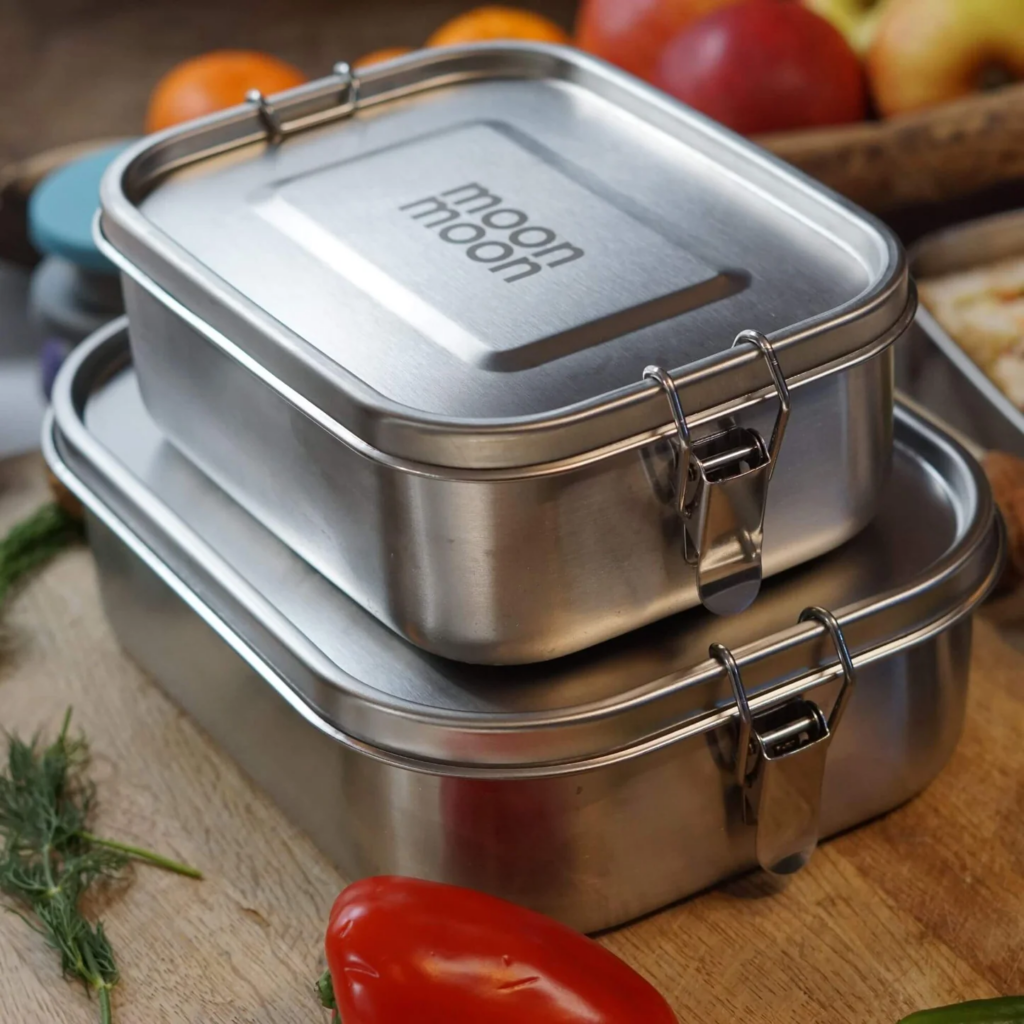
The strategic verdict for 2026 confirms that neither material is universally superior; they serve different logistical requirements. Stainless steel is the ultimate Capital Expenditure (CAPEX) investment, offering unmatched longevity, hygiene, and environmental sustainability. Plastic is a high-utility asset offering superior convenience, microwave integration, and portability. Consumers must audit their daily transit requirements, access to reheating infrastructure, and long-term sustainability goals to select the optimal architecture for their daily meal logistics.