Tag: Baking Tips

  • Silicone vs. Metal Baking Molds: Choosing for Best Results

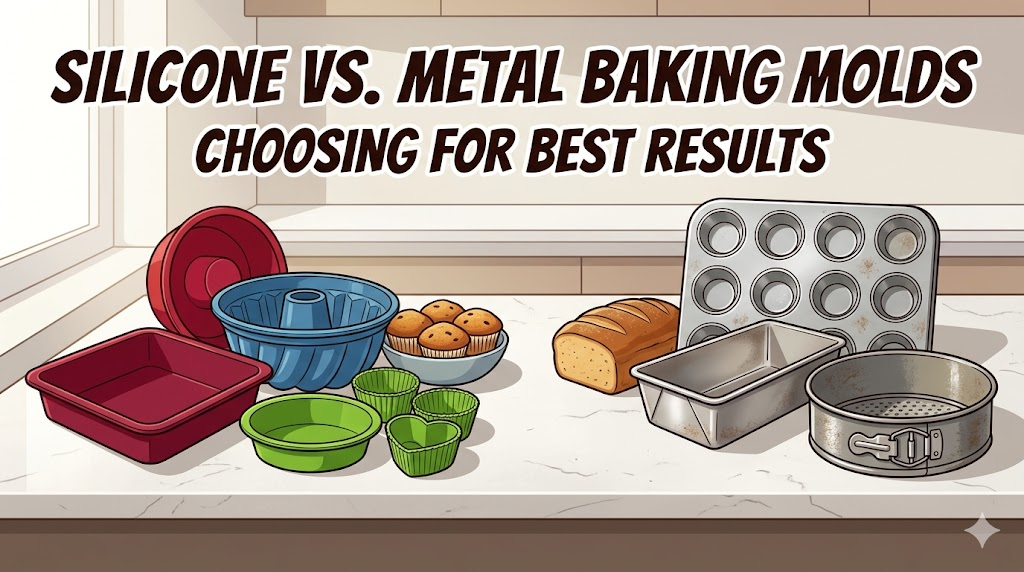
    Silicone vs. Metal Baking Molds: Choosing for Best Results

    When it comes to baking, the debate between silicone molds and metal pans is a hot topic. Having baked countless treats, it becomes clear that the choice of bakeware can make a massive difference in the outcome. Silicone molds have gained popularity for their non-stick properties and extreme flexibility, but are they truly better than classic metal pans?

    Let’s explore the pros and cons of each material, from heat distribution to long-term durability. Whether you are a seasoned baker or just starting out, understanding these fundamental differences can elevate your baking game. Here is a breakdown of which material reigns supreme in the kitchen.
    Handling and Maintenance

    Baking in silicone molds and metal pans yields significant differences in both preparation and the end result.

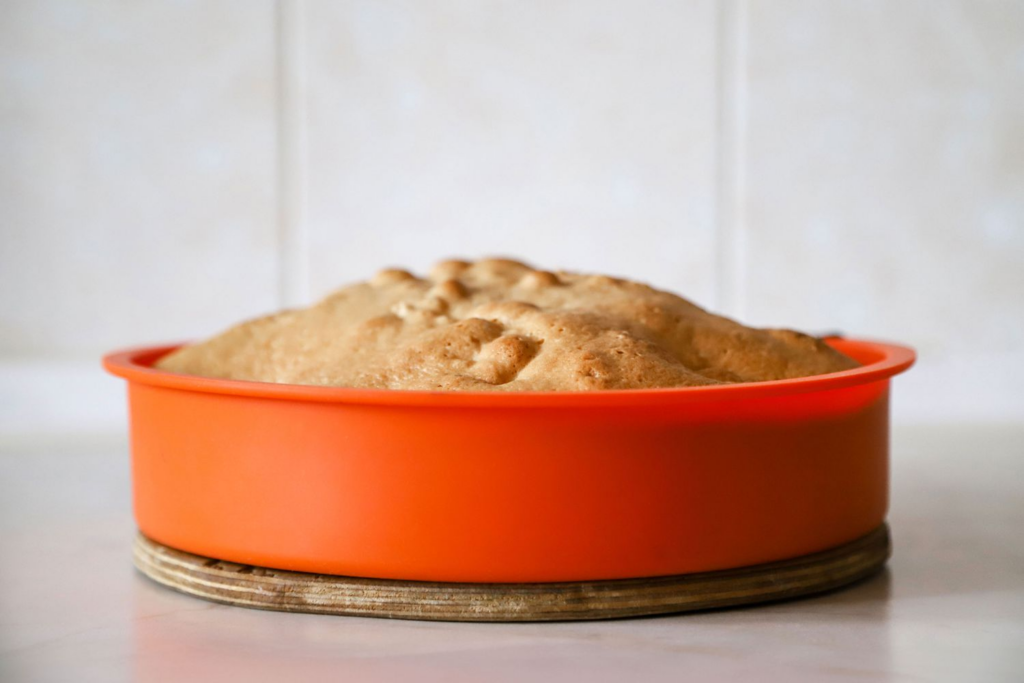
    • Silicone Molds: One of their standout features is the ease of handling. They are lightweight and can be twisted or bent, allowing for easy release of baked goods once they are done. Maintenance is also straightforward—a quick hand wash or a cycle in the dishwasher, and they are good to go.
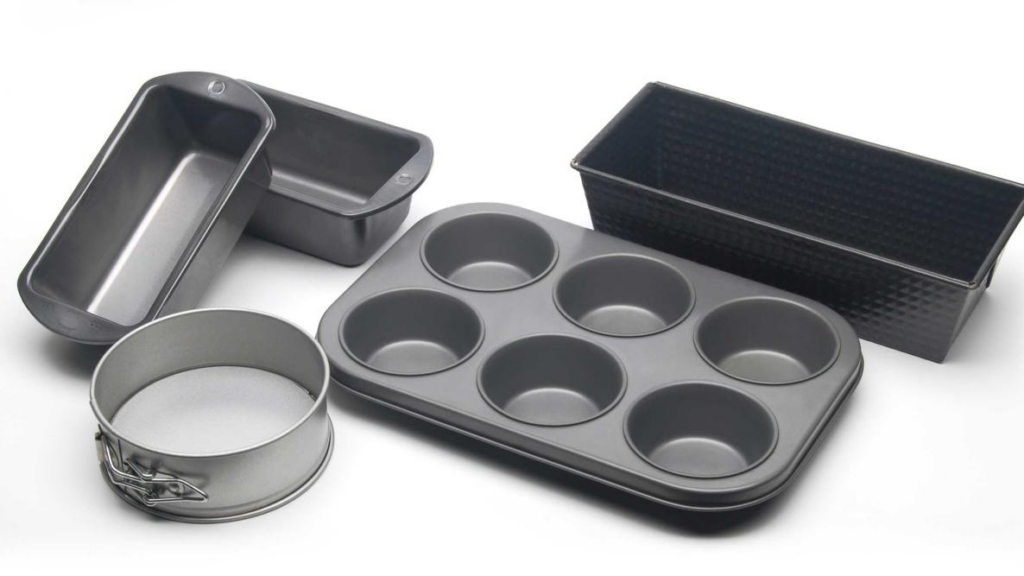
    • Metal Pans: These often require a bit of prep before baking. You generally need to grease or line metal pans to prevent sticking, which isn’t usually necessary with silicone. However, their durability is a strong point. Metal pans can handle high temperatures without warping and, if cared for properly, will last for decades.

    Heat Distribution and Baking Time

    • Metal Pans: Metal is excellent at distributing heat. This promotes uniform baking and browning, which is vital for baked goods like bread and cookies. The heat retention in metal is also higher, meaning your treats stay warmer for longer once they are out of the oven.
    • Silicone Molds: While silicone can withstand an array of temperatures, it is an insulator rather than a conductor, so it doesn’t match up to metal when it comes to heat distribution. Baking in silicone molds might take a tad longer, as they don’t transfer heat as rapidly. Yet, this can be an advantage for items that benefit from a gentler bake, such as cheesecakes, custards, and delicate muffins.

    Versatility and Innovation

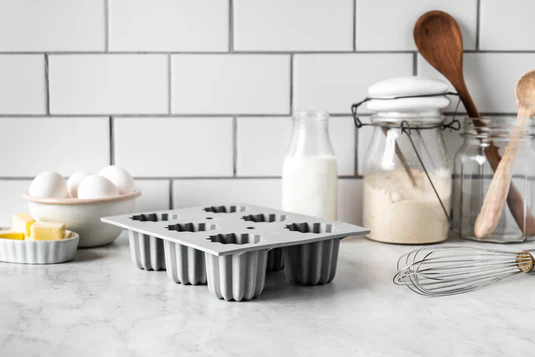
    The market has embraced silicone for its unmatched versatility. From popsicle molds to cake pans shaped like cartoon characters, silicone has made it possible to get incredibly creative with designs. Bakers who enjoy novelty or custom shapes will find a treasure trove of options with silicone molds.

    Metal pans might not offer the same variety in novelty shapes, but they are an absolute staple for classic designs and remain unmatched when it comes to achieving sharp edges and professional-looking tiered cakes.

    The Key Benefits of Silicone Molds

    1. Gentle Heat Distribution

    Silicone molds are engineered to withstand a wide range of temperatures, which is crucial for any baking endeavor. While they might not be as conductive as metal, silicone ensures uniform, gentle heat distribution. This means when batter is poured into silicone molds, the heat from the oven circulates evenly, reducing the risk of undercooked spots or overdone edges. Plus, silicone’s ability to handle extreme temperatures (from the freezer straight to the oven) makes it highly versatile.

    2. Non-Stick Surface

    One of the standout benefits of silicone molds is their inherently non-stick surface. This feature eliminates the necessity for greasing or flouring pans, saving time and reducing the amount of additional fat introduced into your baked goods. The non-stick quality also means that cakes and muffins slide out with ease, maintaining their perfect shapes and intricate details without the need for excessive prying or tapping.

    3. Ultimate Flexibility

    The flexibility of silicone molds is a game-changer for bakers. Not only does it contribute to the non-stick properties, but it also allows for:

    • Easy storage, as they can be folded into drawers without damage.
    • Simplified removal of baked items by just pushing up from the bottom of the mold.
    • Endless creativity with a vast array of shapes and designs.

    The Key Benefits of Metal Molds
    1. Unmatched Durability

    When talking about baking tools that can endure the test of time, metal molds always come to mind. They are renowned for their strong resilience to wear and tear. Unlike silicone, metal doesn’t degrade as easily with frequent use. Metal molds do not warp, crack, or lose their shape even after countless trips to a 450°F oven. Additionally, they are impervious to sharp objects, meaning you can cut or slice directly in the pan (if it lacks a non-stick coating) without worrying about damage.

    Tips for maintaining metal molds:

    • Hand wash with warm, soapy water to prevent discoloration and protect any non-stick coatings.
    • Dry promptly after washing to avoid rust formation.
    • Store in a dry, cool place.

    2. Superior Heat Conductivity

    Metal molds boast excellent heat conductivity. This property enables them to heat up quickly and evenly, ensuring a consistent bake every time. Metal pans are particularly good for achieving a well-browned crust on the bottoms and edges of baked goods. Recipes involving precise temperatures and crispy finishes, like tarts and artisan pies, often turn out best with metal.

    Baking tips for metal pans:

    • Adjust oven temperatures slightly downward if a recipe was written for glass or silicone, as metal heats more quickly and intensely.
    • Monitor your baking closely during the final minutes to prevent over-browning.

    Differences in Baking Results: Browning and Crisping

    When it comes to baking, the results can vary significantly depending on the material used. One key difference lies in the browning and crisping of baked goods.

    Metal molds, with their rapid heat transfer, are excellent for achieving a golden-brown crust. The exterior of items like pastries and bread develops a beautiful and crispy shell, providing that artisan-like quality sought by professional bakers. To get the most out of your metal molds, you can even preheat them before filling to initiate that immediate crust formation upon the batter’s contact with the hot surface.

    Silicone molds, due to their insulating properties, tend to lack in this department. They distribute heat gently and evenly, which equates to a softer, chewier crust. This is often preferred for certain types of light cakes or cupcakes, but if you are aiming for a crispy or flaky texture, metal molds will serve you much better.

    Which is Best for Convection Baking?

    When utilizing a convection bake setting, metal pans are generally ideal as they conduct heat rapidly and promote the even browning that convection fans are designed to enhance. Silicone molds can also be used in a convection oven, but you may need to adjust the baking time and temperature to account for the material’s insulating nature.

    The Final Verdict

    Choosing the right mold for your baking project is essential for achieving the perfect texture and crust. Whether you are aiming for a crispy golden edge or a soft, delicate finish, the decision between silicone and metal molds makes all the difference.

    Trust your baking instincts and let the desired outcome guide your choice. With the right mold, you will elevate your baking game and delight in the delicious results. Happy baking!

    Also Read : Traditional vs. Non-Stick Roti Tawas: Making the Right Choice
  • Are Silicone Pans Better for Baking?

    Are Silicone Pans Better for Baking?

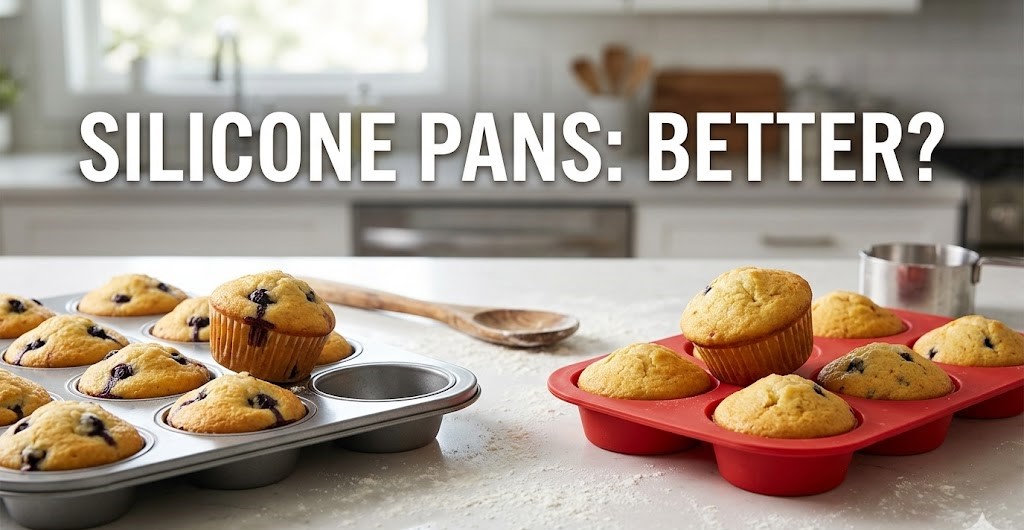
    Whether you are an avid baker or only break out the mixing bowls for special occasions, there is no shortage of pans to choose from. One of the most popular modern choices is Silicone, but is it truly superior to traditional metal, glass, or ceramic bakeware?

    Here is what cooking professionals have to say about the great bakeware debate, and when you should (or shouldn’t) use silicone.

    The Advantages of Silicone Bakeware

    According to experts like professional chef Christos Bisiotis and Rachel Breuhaus (CEO of The Silicone Kitchen), silicone brings several major benefits to the kitchen:

    • Exceptional Durability: Silicone is highly flexible and lightweight. Unlike glass and ceramic options that can easily shatter if dropped, silicone molds can endure heavy use and seamlessly transition from the freezer to the oven to the microwave without damage.
    • Free of Harmful Chemicals: Many traditional Non-stick surface pans contain Per- and polyfluoroalkyl substances (PFAS), which can release harmful fumes when scratched, warped, or exposed to high heat. Food-grade silicone is non-toxic, non-reactive, and completely stable up to 428°F (220°C).
    • No Greasing Required: Because silicone molds are naturally non-stick, you can generally skip adding extra butter or cooking oil to the pan.
    • Bake Without Breaking: The flexibility of the material makes it incredibly easy to pop out your cakes, cookies, and muffins without them crumbling or breaking apart.
    • Easy Cleaning and Storage: Heavy baking dishes are notoriously cumbersome to store. Silicone cups and pans take up a fraction of the cabinet space and are incredibly easy to clean, whether by hand with soap and water or in the dishwasher.

    Where Silicone Falls Short

    While silicone is an incredible tool for many recipes, it is not ideal for absolutely everything in the world of Baking.

    The primary drawback is heat conduction. Silicone simply does not conduct heat as efficiently as metal. As a result, your baked goods might not develop the same level of browning or crispiness. If you are aiming for crusty artisan breads or brownies with perfectly crispy edges, a traditional metal or ceramic pan is still your best bet.

  • Stand Mixer vs. Hand Mixer: Which Should You Choose?

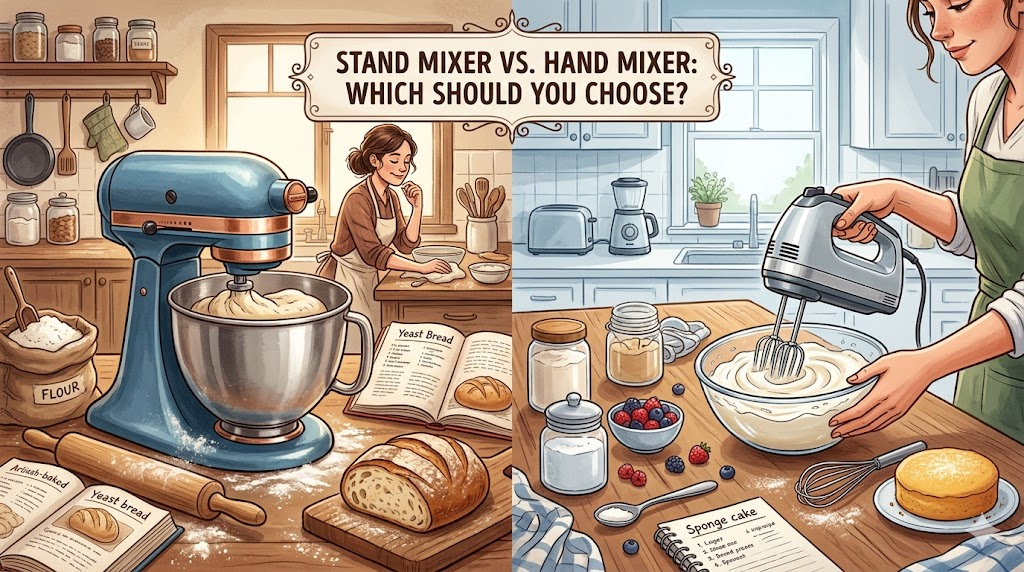
    Stand Mixer vs. Hand Mixer: Which Should You Choose?

    Whether you are a keen amateur chef or an occasional cake baker, a good mixer is an absolute essential for your kitchen toolkit. These handy appliances make light work of mixing dough, whipping cream, and whisking up fluffy meringues. But when it comes time to upgrade your kitchen, you are faced with a classic dilemma: should you choose a stand mixer, a hand mixer, or even both?

    The right choice entirely depends on your budget, storage space, and cooking style. Here is a practical, comprehensive guide to help you choose the best food mixer for your culinary needs.

    What is the Difference?

    Before diving into the pros and cons, it helps to understand the core differences between the two appliances:

    • Hand Mixer: A compact, handheld electric mixer that you manually hold over a bowl. It is designed for quick, everyday tasks like whipping cream or making simple batters.
    • Stand Mixer: A heavy-duty electric mixer attached to a sturdy base that sits on your worktop. It holds the bowl in place for you and often features a powerful motor and various attachments for heavy-duty baking and food prep.

    The Case for the Stand Mixer

    Stand mixers are the ultimate kitchen workhorses. With powerful motors (aim for at least 600W) and heavy, robust frames, they are built to tackle large batches and stiff mixtures without skipping a beat.

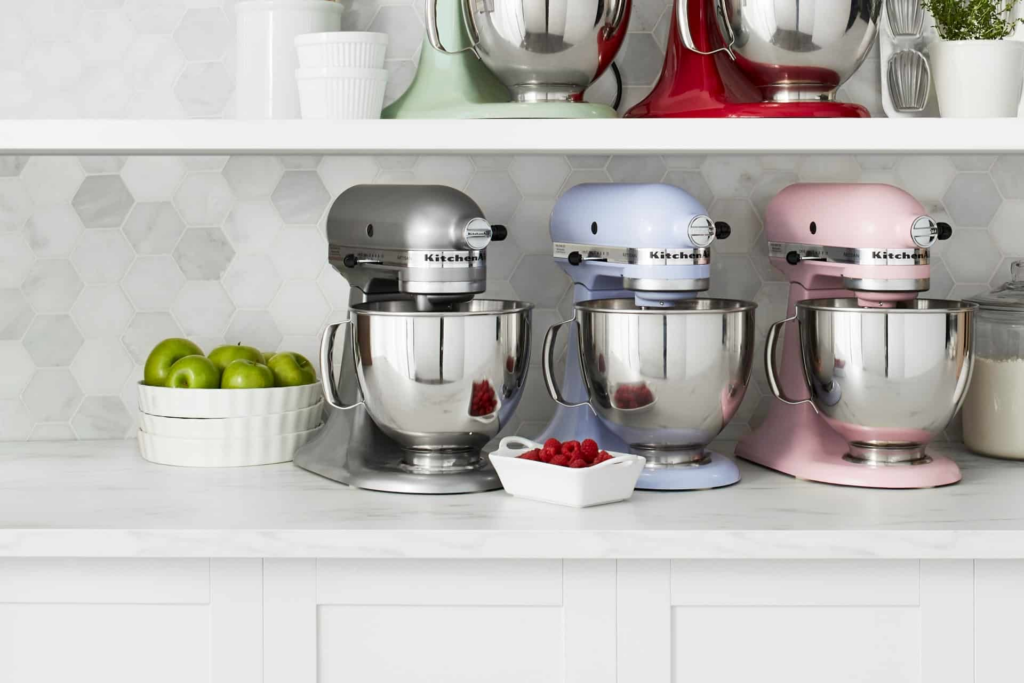
    Because they hold the bowl securely in place, stand mixers operate completely hands-free. This allows you to multitask in the kitchen and add ingredients on the fly without having to turn the machine off. Furthermore, brands like KitchenAid feature a power hub that transforms the mixer into a multi-use appliance, capable of churning ice cream, rolling pasta, or even grinding meat.

    Pros of a Stand Mixer:

    • Solid, stable, and robust design.
    • Highly powerful motors with up to 10 precise speed settings.
    • Hands-free operation saves your arms from fatigue.
    • Capable of heavy-duty tasks like kneading thick bread dough.
    • Available in beautiful colors and designs that act as a kitchen style statement.

    Cons of a Stand Mixer:

    • Heavy and difficult to move in and out of cupboards.
    • Requires dedicated worktop space.
    • Significantly more expensive (ranging from £75 up to £1,000).
    • Can be fiddly to clean, though many feature dishwasher-safe bowls.

    The Case for the Hand Mixer

    If you have a compact kitchen or only bake occasionally, a hand mixer might be your perfect match. These lightweight appliances are incredibly convenient for rustling up small batches of ingredients.

    One of the biggest advantages of a hand mixer is its portability. You can mix directly inside any container—whether it is a mixing bowl, a saucepan on the stove, or a measuring jug—which drastically cuts down on your washing up. They are also incredibly easy to clean; simply pop the beaters in the dishwasher and wipe down the main unit.

    Pros of a Hand Mixer:

    • Lightweight, portable, and incredibly easy to store in a drawer.
    • Perfect for quick tasks like whipping cream or beating eggs.
    • Highly affordable (basic models start around £10).
    • Mix directly in your own pots and pans.
    • Cordless hand mixer models offer even more freedom around the kitchen.

    Cons of a Hand Mixer:

    • Requires physical effort; your arm may ache during long mixing sessions.
    • Less powerful motors can struggle with dense, stiff doughs.
    • Ties up both of your hands while in use.
    • Fewer speed settings and attachment options.

    Head-to-Head Comparison

    FeatureStand MixerHand Mixer
    Best ForFrequent bakers, large batches, heavy bread dough.Occasional bakers, small batches, quick whipping.
    Storage NeedHigh (Usually stays on the counter).Low (Easily fits in a drawer).
    Physical EffortZero (Hands-free operation).High (Requires holding the unit and bowl).
    Price Range£75 – £1,000+£10 – £180
    VersatilityHigh (Pasta rollers, meat grinders, etc.).Low (Usually just beaters and dough hooks).

    The Final Verdict: Which is Best?

    Choose a Hand Mixer if: You bake in small batches, have limited kitchen storage, are on a strict budget, and primarily need a tool for light batters and whipping.

    Choose a Stand Mixer if: You regularly cook for a crowd, bake dense bread doughs, want hands-free convenience, and have the worktop space to display a beautiful appliance.

    The Ideal Scenario: If your space and budget allow, having both types of mixers in one kitchen offers maximum flexibility. You can grab the hand mixer for a quick weekday whipped cream, and rely on the stand mixer for your weekend baking marathons!