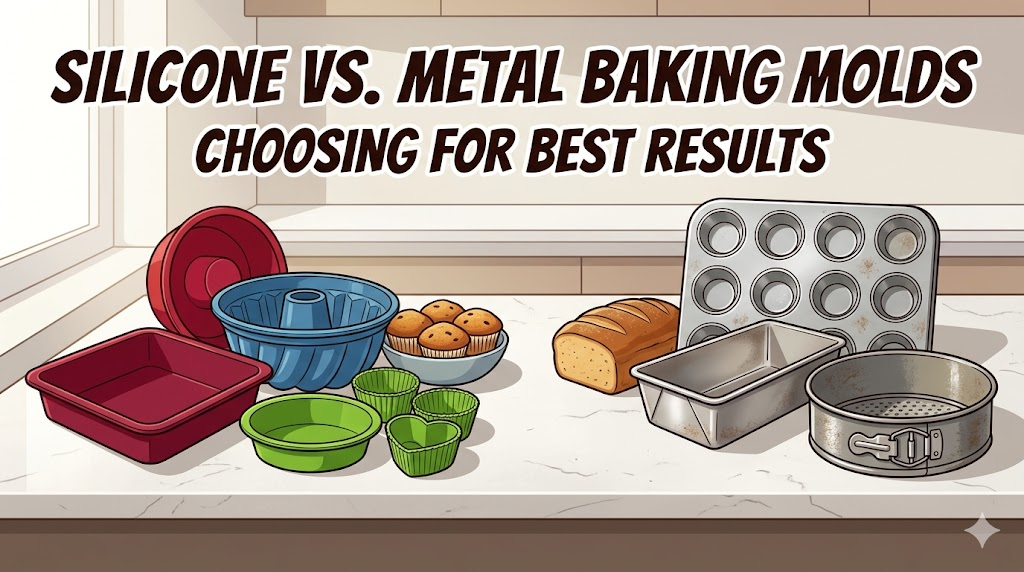
When it comes to baking, the debate between silicone molds and metal pans is a hot topic. Having baked countless treats, it becomes clear that the choice of bakeware can make a massive difference in the outcome. Silicone molds have gained popularity for their non-stick properties and extreme flexibility, but are they truly better than classic metal pans?
Let’s explore the pros and cons of each material, from heat distribution to long-term durability. Whether you are a seasoned baker or just starting out, understanding these fundamental differences can elevate your baking game. Here is a breakdown of which material reigns supreme in the kitchen.
Handling and Maintenance
Baking in silicone molds and metal pans yields significant differences in both preparation and the end result.
- Silicone Molds: One of their standout features is the ease of handling. They are lightweight and can be twisted or bent, allowing for easy release of baked goods once they are done. Maintenance is also straightforward—a quick hand wash or a cycle in the dishwasher, and they are good to go.
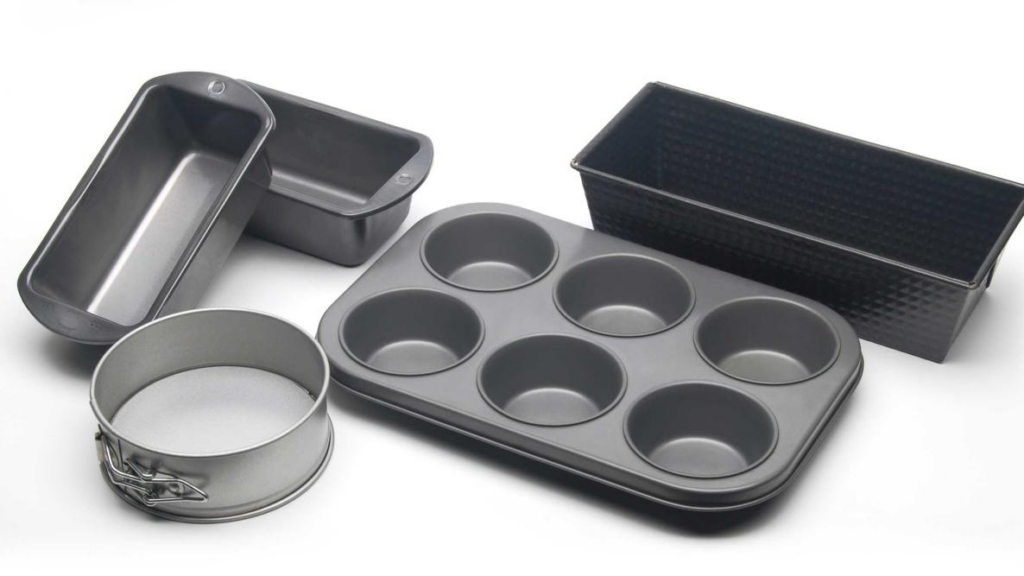
- Metal Pans: These often require a bit of prep before baking. You generally need to grease or line metal pans to prevent sticking, which isn’t usually necessary with silicone. However, their durability is a strong point. Metal pans can handle high temperatures without warping and, if cared for properly, will last for decades.
Heat Distribution and Baking Time
- Metal Pans: Metal is excellent at distributing heat. This promotes uniform baking and browning, which is vital for baked goods like bread and cookies. The heat retention in metal is also higher, meaning your treats stay warmer for longer once they are out of the oven.
- Silicone Molds: While silicone can withstand an array of temperatures, it is an insulator rather than a conductor, so it doesn’t match up to metal when it comes to heat distribution. Baking in silicone molds might take a tad longer, as they don’t transfer heat as rapidly. Yet, this can be an advantage for items that benefit from a gentler bake, such as cheesecakes, custards, and delicate muffins.
Versatility and Innovation
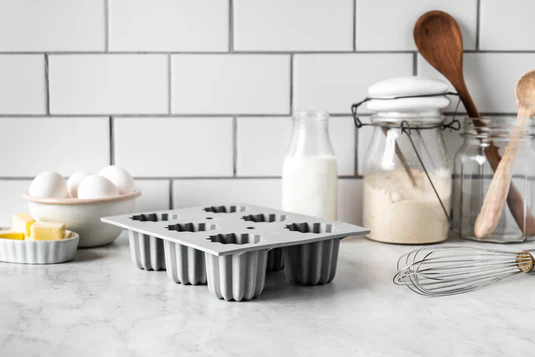
The market has embraced silicone for its unmatched versatility. From popsicle molds to cake pans shaped like cartoon characters, silicone has made it possible to get incredibly creative with designs. Bakers who enjoy novelty or custom shapes will find a treasure trove of options with silicone molds.
Metal pans might not offer the same variety in novelty shapes, but they are an absolute staple for classic designs and remain unmatched when it comes to achieving sharp edges and professional-looking tiered cakes.
The Key Benefits of Silicone Molds
1. Gentle Heat Distribution
Silicone molds are engineered to withstand a wide range of temperatures, which is crucial for any baking endeavor. While they might not be as conductive as metal, silicone ensures uniform, gentle heat distribution. This means when batter is poured into silicone molds, the heat from the oven circulates evenly, reducing the risk of undercooked spots or overdone edges. Plus, silicone’s ability to handle extreme temperatures (from the freezer straight to the oven) makes it highly versatile.
2. Non-Stick Surface
One of the standout benefits of silicone molds is their inherently non-stick surface. This feature eliminates the necessity for greasing or flouring pans, saving time and reducing the amount of additional fat introduced into your baked goods. The non-stick quality also means that cakes and muffins slide out with ease, maintaining their perfect shapes and intricate details without the need for excessive prying or tapping.
3. Ultimate Flexibility
The flexibility of silicone molds is a game-changer for bakers. Not only does it contribute to the non-stick properties, but it also allows for:
- Easy storage, as they can be folded into drawers without damage.
- Simplified removal of baked items by just pushing up from the bottom of the mold.
- Endless creativity with a vast array of shapes and designs.
The Key Benefits of Metal Molds
1. Unmatched Durability
When talking about baking tools that can endure the test of time, metal molds always come to mind. They are renowned for their strong resilience to wear and tear. Unlike silicone, metal doesn’t degrade as easily with frequent use. Metal molds do not warp, crack, or lose their shape even after countless trips to a 450°F oven. Additionally, they are impervious to sharp objects, meaning you can cut or slice directly in the pan (if it lacks a non-stick coating) without worrying about damage.
Tips for maintaining metal molds:
- Hand wash with warm, soapy water to prevent discoloration and protect any non-stick coatings.
- Dry promptly after washing to avoid rust formation.
- Store in a dry, cool place.
2. Superior Heat Conductivity
Metal molds boast excellent heat conductivity. This property enables them to heat up quickly and evenly, ensuring a consistent bake every time. Metal pans are particularly good for achieving a well-browned crust on the bottoms and edges of baked goods. Recipes involving precise temperatures and crispy finishes, like tarts and artisan pies, often turn out best with metal.
Baking tips for metal pans:
- Adjust oven temperatures slightly downward if a recipe was written for glass or silicone, as metal heats more quickly and intensely.
- Monitor your baking closely during the final minutes to prevent over-browning.
Differences in Baking Results: Browning and Crisping
When it comes to baking, the results can vary significantly depending on the material used. One key difference lies in the browning and crisping of baked goods.
Metal molds, with their rapid heat transfer, are excellent for achieving a golden-brown crust. The exterior of items like pastries and bread develops a beautiful and crispy shell, providing that artisan-like quality sought by professional bakers. To get the most out of your metal molds, you can even preheat them before filling to initiate that immediate crust formation upon the batter’s contact with the hot surface.
Silicone molds, due to their insulating properties, tend to lack in this department. They distribute heat gently and evenly, which equates to a softer, chewier crust. This is often preferred for certain types of light cakes or cupcakes, but if you are aiming for a crispy or flaky texture, metal molds will serve you much better.
Which is Best for Convection Baking?
When utilizing a convection bake setting, metal pans are generally ideal as they conduct heat rapidly and promote the even browning that convection fans are designed to enhance. Silicone molds can also be used in a convection oven, but you may need to adjust the baking time and temperature to account for the material’s insulating nature.
The Final Verdict
Choosing the right mold for your baking project is essential for achieving the perfect texture and crust. Whether you are aiming for a crispy golden edge or a soft, delicate finish, the decision between silicone and metal molds makes all the difference.
Trust your baking instincts and let the desired outcome guide your choice. With the right mold, you will elevate your baking game and delight in the delicious results. Happy baking!
Also Read : Traditional vs. Non-Stick Roti Tawas: Making the Right Choice