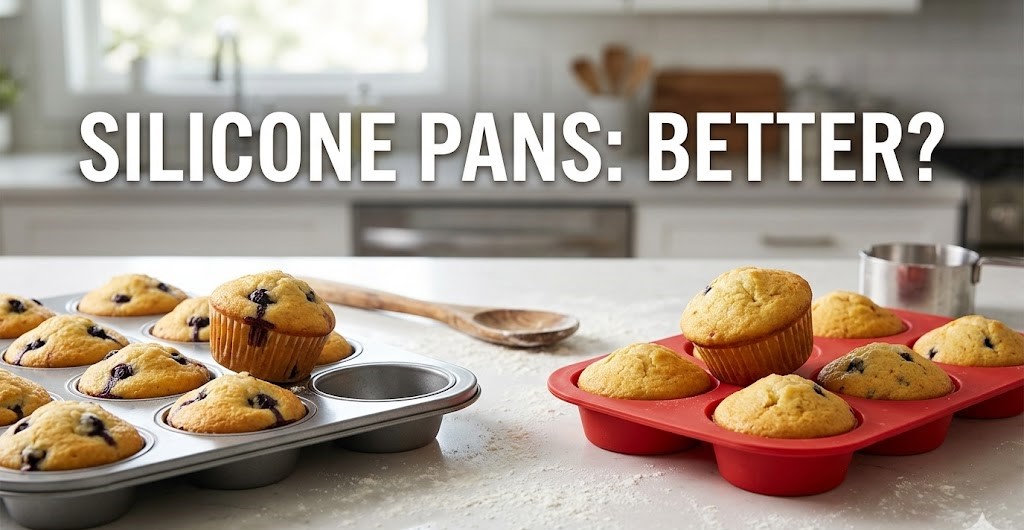
Whether you are an avid baker or only break out the mixing bowls for special occasions, there is no shortage of pans to choose from. One of the most popular modern choices is Silicone, but is it truly superior to traditional metal, glass, or ceramic bakeware?
Here is what cooking professionals have to say about the great bakeware debate, and when you should (or shouldn’t) use silicone.
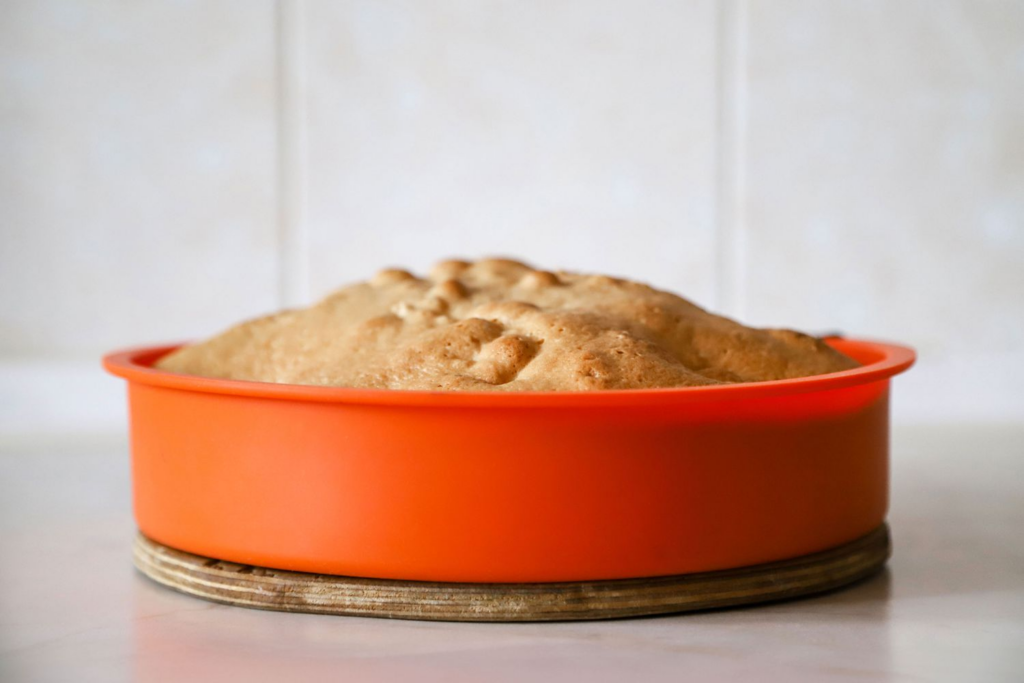
The Advantages of Silicone Bakeware
According to experts like professional chef Christos Bisiotis and Rachel Breuhaus (CEO of The Silicone Kitchen), silicone brings several major benefits to the kitchen:
- Exceptional Durability: Silicone is highly flexible and lightweight. Unlike glass and ceramic options that can easily shatter if dropped, silicone molds can endure heavy use and seamlessly transition from the freezer to the oven to the microwave without damage.
- Free of Harmful Chemicals: Many traditional Non-stick surface pans contain Per- and polyfluoroalkyl substances (PFAS), which can release harmful fumes when scratched, warped, or exposed to high heat. Food-grade silicone is non-toxic, non-reactive, and completely stable up to 428°F (220°C).
- No Greasing Required: Because silicone molds are naturally non-stick, you can generally skip adding extra butter or cooking oil to the pan.
- Bake Without Breaking: The flexibility of the material makes it incredibly easy to pop out your cakes, cookies, and muffins without them crumbling or breaking apart.
- Easy Cleaning and Storage: Heavy baking dishes are notoriously cumbersome to store. Silicone cups and pans take up a fraction of the cabinet space and are incredibly easy to clean, whether by hand with soap and water or in the dishwasher.
Where Silicone Falls Short
While silicone is an incredible tool for many recipes, it is not ideal for absolutely everything in the world of Baking.
The primary drawback is heat conduction. Silicone simply does not conduct heat as efficiently as metal. As a result, your baked goods might not develop the same level of browning or crispiness. If you are aiming for crusty artisan breads or brownies with perfectly crispy edges, a traditional metal or ceramic pan is still your best bet.