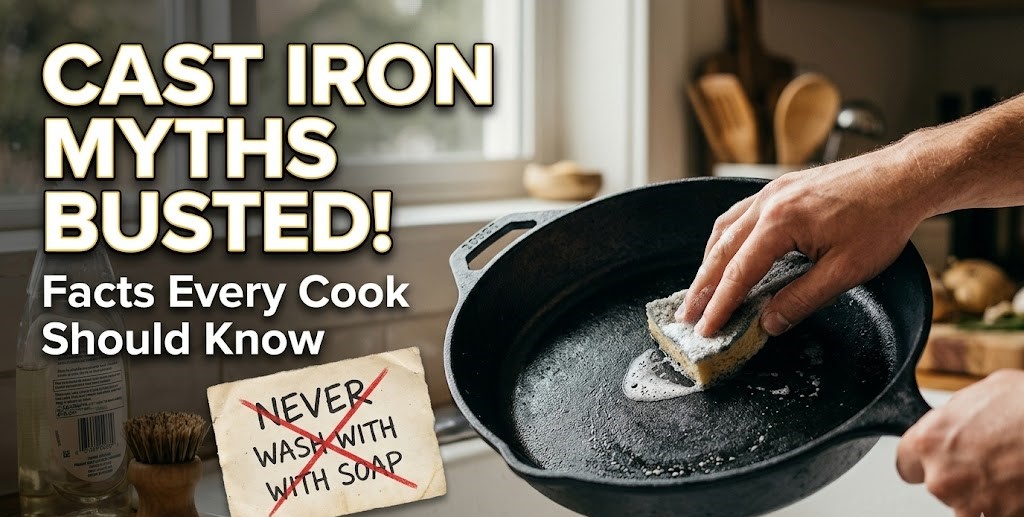
Cast iron cookware has been a kitchen staple for centuries, yet it remains one of the most misunderstood tools in the culinary world. From fears of rust to confusion over “seasoning,” myths often prevent home cooks from investing in what is arguably the most durable material available. In reality, cast iron is a nutritional and functional powerhouse that actually improves with age.
Whether you are using traditional pre-seasoned pans or modern enamel-coated cast iron, understanding the science behind the metal will transform your cooking experience.
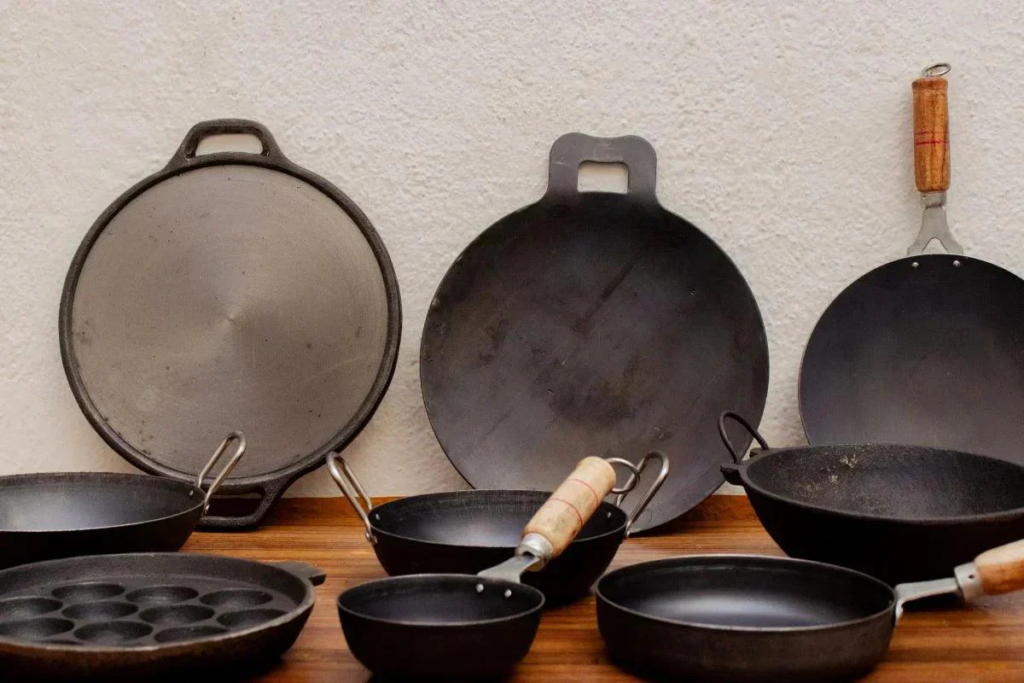
Debunking Common Cast Iron Myths
Myth #1: Cast Iron is High-Maintenance and Hard to Clean
The Truth: While it requires a different approach than stainless steel, it isn’t “difficult.”
- Enamel-Coated: Requires zero seasoning and can be washed with standard mild soap.
- Traditional: Simply needs to be dried immediately after washing and rubbed with a light coat of oil. According to the USDA FoodData Central, maintaining the integrity of the cooking surface prevents oxidation and ensures a natural non-stick finish.
Myth #2: You Can’t Use Soap on Cast Iron
The Truth: This is a carryover from the days when soap contained harsh lye. Modern mild dish soaps will not strip away a well-bonded layer of seasoning. However, the FDA guidelines on food contact surfaces suggest avoiding abrasive scourers that can physically scratch the iron or enamel.
Myth #3: Cast Iron Reacts Dangerously with Acidic Foods
The Truth: * Enamel-Coated: Completely non-reactive and safe for simmering tomato sauces or citrus-heavy stews for hours.
- Pre-Seasoned: Can leach a metallic taste if acidic foods are cooked for long periods. However, a quick sauté of tomatoes in a well-seasoned pan is perfectly safe and can even slightly increase the iron content of your food (NIH), which is beneficial for those managing iron-deficiency anemia.
The Science of Heat Retention
A common complaint is that cast iron takes too long to heat up. While it has lower thermal conductivity than aluminum, it possesses superior heat capacity.
- Steady Cooking: Once hot, cast iron stays hot. This prevents temperature drops when you add a cold steak or a large batch of vegetables to the pan.
- Even Distribution: It radiates heat effectively, making it ideal for baking bread or slow-cooking stews. The American Heart Association notes that consistent heat can help in cooking proteins more evenly without the need for excessive added fats.
Longevity and Safety in 2026
In an era of “throwaway” non-stick pans coated with PFOAs or PFAs, cast iron is the ultimate sustainable choice.
- Chemical-Free: Naturally seasoned iron provides a slick surface without synthetic coatings.
- Indestructible: Unlike Teflon, which can peel and release fumes at high temperatures, cast iron can be stripped and re-seasoned even if it rusts.
- Rust Prevention: Rust only forms if the pan is left wet. To protect your investment, always dry your pan on a warm stovetop burner after washing. For more on safe metal usage in the kitchen, check the CDC’s information on environmental health.