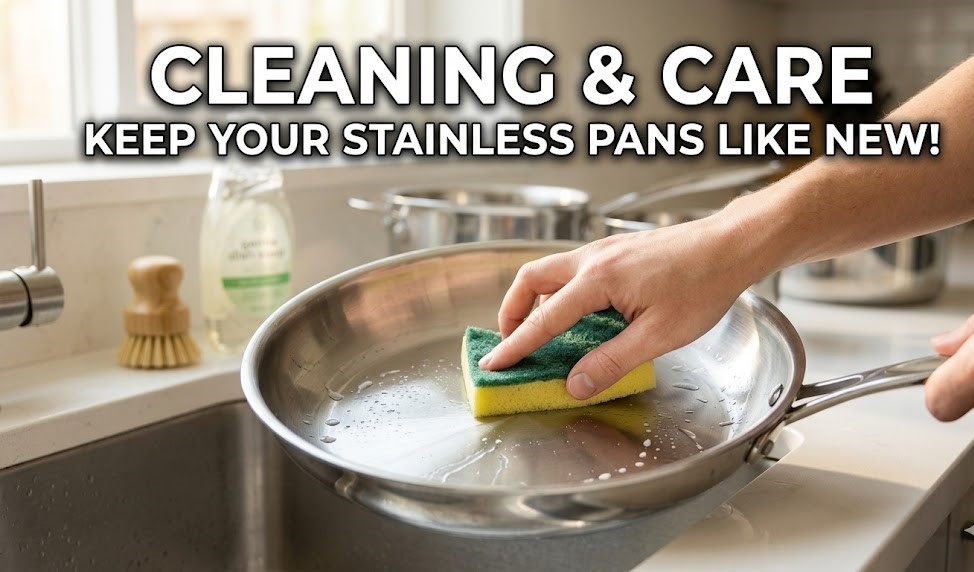
There’s nothing quite like a brand-new stainless steel pan—bright, reflective, and ready for everything from weeknight sautés to serious searing. The good news is that with the right routine, stainless steel can stay beautiful and perform at a high level for years.
Knowing how to cook with stainless steel is just as important as knowing how to clean it. Proper preheating, using the right amount of oil, and letting food naturally release all help protect your pan’s surface while improving your cooking results. By combining smart cooking techniques with the simple maintenance habits below, you’ll enjoy the full benefits of stainless steel—durability, versatility, and professional-quality performance—for decades.
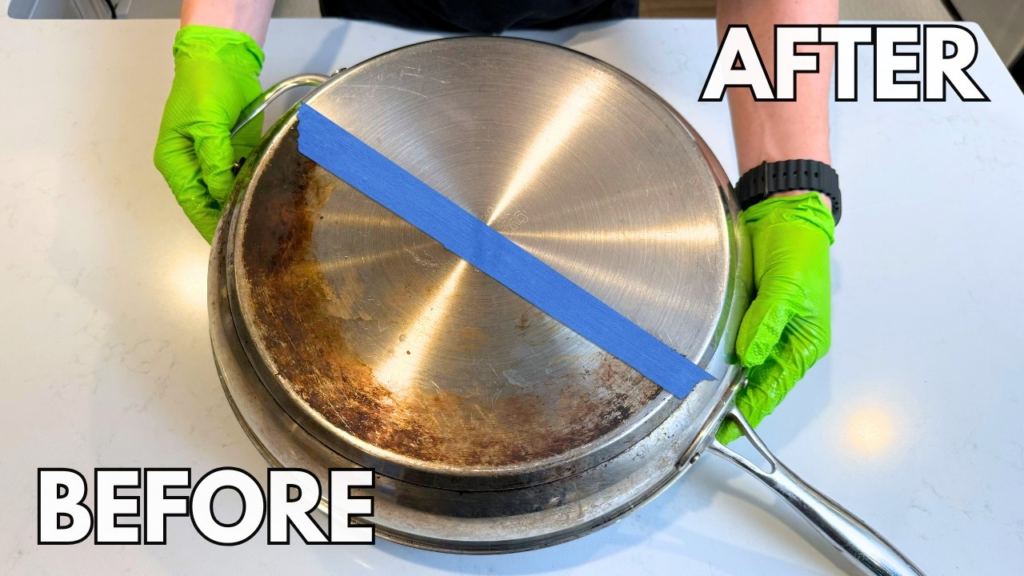
Daily Care: The Best Way to Clean Stainless Steel Pans After Cooking
Start simple. Most of the time, stainless steel cleans up incredibly easily if you follow a few key habits:
- Cool Completely: Start your daily cleaning routine by letting your stainless steel pans cool completely. Never submerge a hot pan in cold water, as this risks thermal shock, which can permanently warp its structure.
- Wash Gently: For everyday food residue, use warm water with a gentle dish soap and a soft sponge to clean both the interior and exterior surfaces.
- Dry Thoroughly: Remember to dry your cookware thoroughly with a clean cloth right after washing to prevent hard water spots.
- Soak When Needed: When faced with stubbornly stuck-on food, fill the pan with hot water and let it soak for 15 minutes. This simple step makes cleanup much easier and preserves your cookware’s finish by eliminating the need for harsh scrubbing.
How to Properly Remove Stains and Burnt Food
For those challenging cooking mishaps, create a thick paste using baking soda and water. Apply this mixture to burnt areas and wait for 5-10 minutes while it works its magic. A non-abrasive sponge will then easily lift away the residue.
For much tougher stains and professional-level results, use the All-Clad Stainless Steel and Aluminum Cleaner. This specialized formula combines natural minerals with environmentally safe ingredients to restore your cookware’s original brilliance. It effectively removes mineral deposits and cooking residue without scratching. Apply a small amount with a damp cloth, working in circular motions to reveal the metal’s natural luster. (Note: Premium stainless steel cleaners should not be used on hard anodized, copper, or nonstick cookware.)
Tackling Water Spots and Pan Discoloration
Discoloration or hard water spots (often characterized by a rainbow-like tint on the metal) call for a specialized approach. White vinegar acts as a brilliant, natural stainless steel cookware cleaner.
Mix equal parts water and white vinegar in the pan, bring it to a gentle simmer, and then remove it from the heat. The acidic solution naturally breaks down burnt residue and mineral buildup, making cleanup significantly easier. Let the pan cool, wash it with soap and water, and then dry it thoroughly. Your pan will look cleaner and dramatically brighter!
Maintaining Your Cookware: Preventing Warping and Surface Damage
Maintaining your pan’s structural integrity starts with proper heat management. Consider preheating your pan gradually over medium heat rather than starting with high temperatures. This practice prevents thermal shock and ensures your cookware maintains its perfectly flat cooking surface for years. For example, when searing meat, bring your pan to temperature over 2-3 minutes rather than blast-heating it.
When cooking, match your pan size to your burner diameter for even heat distribution. For maximum protection during storage, place felt pot protectors between stacked pans to prevent the metal bottoms from scratching the polished interiors.
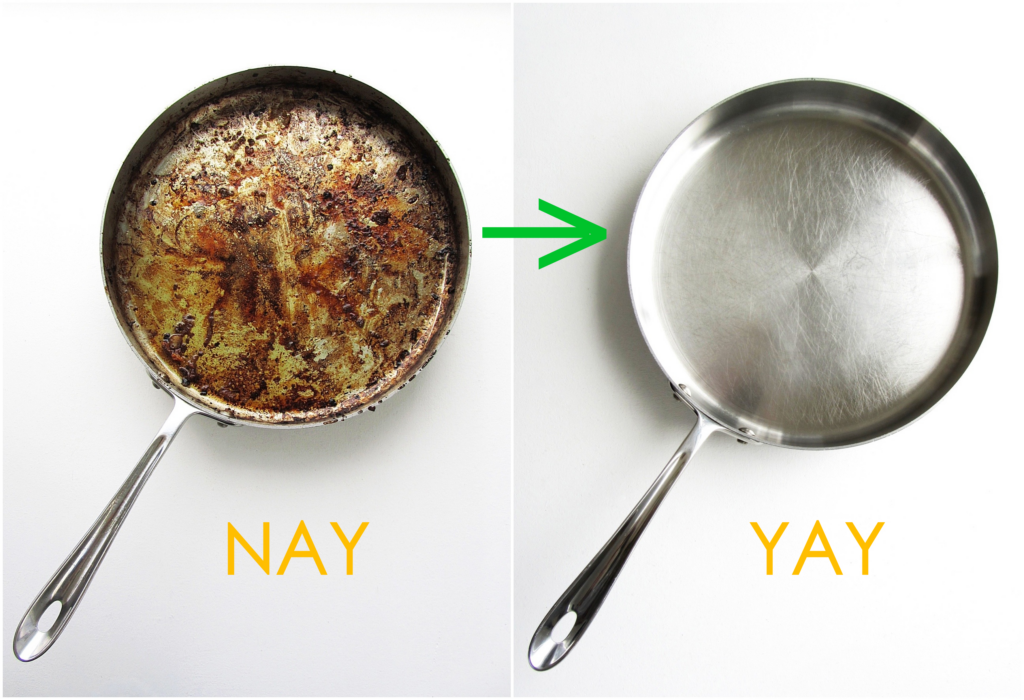
What NOT to Use on Stainless Steel Cookware
Protect your cookware’s longevity by avoiding harsh cleaning materials.
- Abrasives: Metal scouring pads and steel wool will leave permanent scratches across your pan’s pristine finish.
- Harsh Chemicals: Skip bleach-based cleaners and oven sprays, which can corrode the metal’s composition. Your pans will also suffer damage from undiluted chlorine products or ammonia solutions.
- Metal Tools: When removing stuck food, stay away from metal utensils and opt for wooden spoons or high-heat silicone kitchen tools instead.