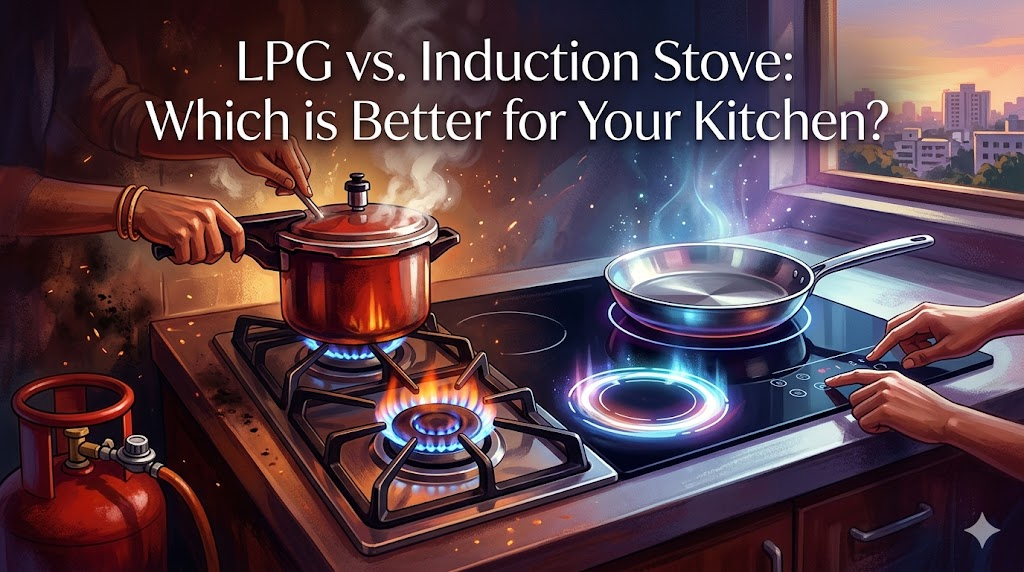
Modern households are increasingly opting for induction stoves due to their sleek design and quick heating abilities. However, Liquefied Petroleum Gas (LPG) still firmly holds its ground as the reigning champion in many Indian kitchens.
If you find yourself caught in the great “LPG vs. Induction” debate and are wondering which option is cheaper or more efficient for your daily cooking, here is a comprehensive breakdown of why traditional gas might still be your best bet.
5 Reasons Why You Should Choose LPG Over an Induction Stove
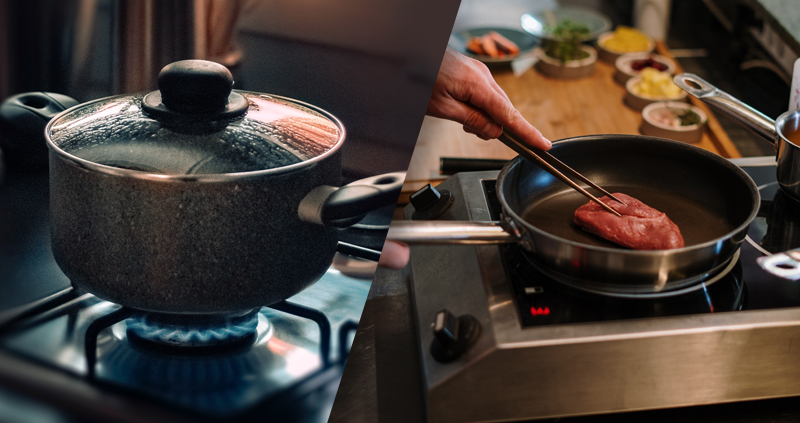
1. Faster Cooking and High Energy Output LPG has a significantly higher calorific value compared to electricity, meaning it delivers more energy per unit of consumption. LPG offers a calorific value of around 11,950 kcal/kg, in stark contrast to electricity’s direct conversion of around 860 kcal/kWh. Because LPG stoves provide instant, intense heat, boiling water or cooking meals can often be much faster than waiting for an electric element to reach peak temperature.
2. Unmatched Versatility and Compatibility Many traditional Indian cooking techniques—such as tempering (tadka), roasting, and direct-flame grilling (phulkas)—are much more efficiently executed on an open flame. Furthermore, LPG stoves can accommodate a massive variety of cookware, including copper, aluminum, and clay pots. Conversely, induction cooking strictly requires specialized pots and pans with a magnetic, ferromagnetic bottom to function at all.
3. Lower Initial Costs and High Accessibility While the daily cost of using LPG versus electricity varies by region depending on utility rates, LPG is often more cost-effective in the long run, especially during peak hours when premium electrical tariffs apply. Additionally, the initial setup is much cheaper. LPG stoves are generally highly affordable and do not require the specialized heavy-duty electrical wiring that high-wattage induction cooktops demand.
4. Immediate Control and Heat Distribution Professional chefs prefer gas for a reason: it provides immediate, precise control over flame intensity. This allows for rapid temperature adjustments right in the middle of the cooking process. Because the flame physically wraps around the bottom of the pan, LPG also allows for even heat distribution on curved cookware like woks and kadhais, which struggle on the flat glass surface of an induction stove.
5. Reliability During Power Outages Despite ongoing advancements in India’s electricity generation and distribution grid, many areas—especially rural and remote regions—still grapple with inconsistent power supplies and frequent load shedding. LPG is a highly portable and storable fuel, presenting a completely reliable alternative that ensures your family’s dinner is never delayed by a blackout.
The Final Verdict: Why You Need a SUPERGAS Connection
In the ongoing discussion of gas cylinders vs. induction stoves, it is clear that LPG remains the preferable choice for the average Indian household, offering safety, cost-effectiveness, and total culinary flexibility.
However, the key to maximizing these benefits lies in choosing the right supplier. SUPERGAS stands out as the ideal partner for your kitchen needs:
- Punctual Delivery: With a promise of on-time and anytime delivery across a vast network, you are assured never to face cooking delays.
- Uncompromising Safety: A strict commitment to safety standards benefits employees, customers, and end-users alike.
- Complete Support: From providing new connections within 24 hours to installing advanced leak detection systems, SUPERGAS ensures total peace of mind.
Also Read : Carbon Steel vs. Cast Iron: The 2026 Heavyweight Skillet Showdown